















Chemical Peels in Riyadh for Reducing Visible Skin Imperfections
Chemical Peels in Riyadh for Reducing Visible Skin Imperfections

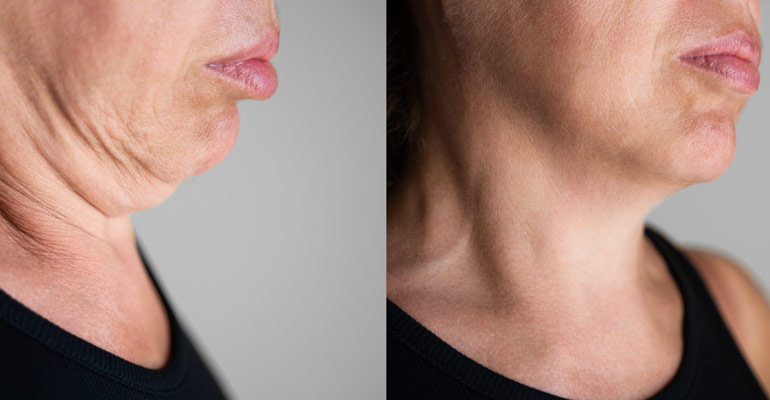
Living in Riyadh means exposing your skin to a challenging mix of extreme heat, low humidity, and seasonal dust storms. These harsh environmental factors, combined with daily sun exposure, can worsen various skin imperfections—from stubborn dark spots and melasma to acne scars and uneven texture. While standard over-the-counter creams only treat the very surface of these issues, clinical chemical peels offer a targeted solution. Chemical Peels in Riyadh are a popular skincare treatment option for improving skin texture, reducing pigmentation, minimizing acne scars, and achieving a brighter, more youthful complexion
By utilizing precise chemical solutions to remove damaged outer layers of skin, these professional treatments help fade imperfections, stimulate deep healing, and reveal a clear, flawless complexion.
Understanding Skin Imperfections in the Desert Climate
Skin imperfections rarely occur in a vacuum; they are often triggered or worsened by the environment. In Riyadh, the three most common imperfections treated in dermatology clinics include:
-
Hyperpigmentation and Sunspots: The intense UV index in Saudi Arabia accelerates melanin production. This can lead to localized pools of pigment, resulting in dark spots, sun blemishes, and hormonal melasma that can be difficult to fade with traditional skincare.
-
Acne Scars and Blemishes: High temperatures can cause the skin to produce excess sebum (oil). When mixed with airborne dust, this clogs pores and leads to inflammatory acne. If left untreated, these breakouts can leave behind red or brown marks (post-inflammatory erythema/hyperpigmentation) or structural indented scars.
-
Textural Irregularities: To protect itself from dry air-conditioned indoor spaces and outdoor heat, the skin often slows down its natural shedding process. This cellular buildup creates a rough, dull, and uneven surface.
Chemical peels address these concerns by targeting the specific depths where these imperfections reside.
How Chemical Peels Target and Erase Imperfections
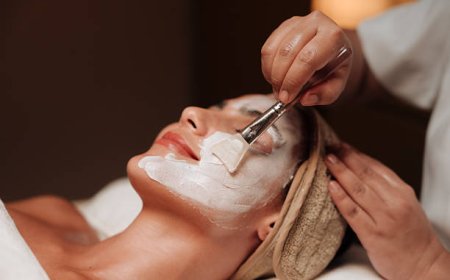
A chemical peel is a controlled clinical resurfacing procedure. A dermatologist applies a specialized acid solution to the skin, lowering its pH and safely dissolving the bonds between damaged cells. This process removes imperfections through three distinct pathways:
1. Breaking Up Deep Melanin Clusters
For superficial and deep pigmentation, acids like glycolic, lactic, and mandelic acid speed up cell turnover. As the old, pigment-heavy cells are shed, the melanin clusters are broken up and carried away. For deep, stubborn imperfections like melasma, specialized multi-ingredient peels block the enzyme responsible for pigment production, preventing dark spots from returning.
2. Purging Follicular Obstructions
To target active blemishes and structural pore imperfections, oil-soluble acids penetrate deep into the pores. They dissolve the trapped sebum, bacteria, and dead cells that cause inflammation, effectively clearing out existing acne while smoothing the surrounding skin.
3. Inducing Dermal Remodeling for Scarring
Structural imperfections, such as indented acne scars or deep lines, require a stronger healing response. Medium-depth peeling agents reach the upper layers of the dermis, creating a controlled microscopic injury. This triggers your fibroblasts to produce a fresh matrix of collagen and elastin fibers, lifting and smoothing out indented scars from the inside out.
Choosing the Right Acid for Your Specific Imperfection
Dermatologists in Riyadh customize chemical peels to target specific imperfections safely, keeping each patient's skin type and tone in mind:
The Recovery and Transformation Timeline
Fading structural and pigment imperfections is a gradual process that relies on your skin’s natural healing cycle. Here is what you can expect during your treatment journey:
Days 1 to 3: The Tightening Phase
Immediately after the peel, your skin may look slightly red or dark as the damaged cells rise to the surface. The skin will feel tight and dry, signaling that the treated layer is preparing to lift away.
Days 4 to 7: The Clear-Up Phase
Visible flaking or peeling will begin, typically starting around the mouth and nose before moving outward. As the old, damaged layers naturally flake off, a brighter, smoother, and more uniform skin texture will emerge underneath.
-
Crucial Reminder: Never pull or pick at the peeling skin, as this can cause scarring or secondary hyperpigmentation.
Weeks 2 to 4: The Final Reveal
By the second week, surface healing is complete. Pigmentation will appear noticeably lighter, active breakouts will have calmed down, and the overall skin texture will be much smoother. Over the following month, ongoing collagen production will continue to improve structural scarring and firmness.
Safe Practices for Deeper Skin Tones (Fitzpatrick Scales IV–VI)
Many individuals living in Riyadh have medium-to-dark olive or brown skin tones, classified as Fitzpatrick types IV through VI. Melanin-rich skin has highly active pigment-producing cells that can react defensively to aggressive treatments.
+-------------------------------------------------------------------------+
|                              CLINICAL ADVICE                            |
| To avoid Post-Inflammatory Hyperpigmentation (PIH), deeper skin tones   |
| should avoid highly aggressive, deep phenol peels. Instead, opt for     |
| progressive treatments using Mandelic Acid, Lactic Acid, or specialized |
| blended peels designed to safely treat dark spots without causing heat- |
| induced damage.                                                         |
+-------------------------------------------------------------------------+
Maximizing Your Results in Riyadh's Environment
The fresh skin revealed after a chemical peel is highly sensitive to external irritants. To protect your investment and ensure your skin imperfections heal beautifully, a strict aftercare routine is vital:
-
Commit to Sun Protection: Freshly peeled skin lacks its usual UV defense. Apply a broad-spectrum SPF 50+ mineral sunscreen every morning and reapply every two hours if you are outdoors or sitting near windows.
-
Prioritize Hydration: Use a gentle, fragrance-free moisturizer containing ceramides and hyaluronic acid to help repair your skin barrier and lock in moisture against the dry air.
-
Avoid Irritants: Stop using home retinoids, Vitamin C, or physical scrubs for at least 7 to 10 days post-peel, or until your dermatologist confirms your skin has fully recovered.
By consulting a licensed professional in Riyadh to select a peel tailored to your specific skin needs, you can safely minimize visible imperfections and enjoy a smooth, clear, and radiantly healthy complexion.
What's Your Reaction?
 Like
0
Like
0
 Dislike
0
Dislike
0
 Love
0
Love
0
 Funny
0
Funny
0
 Angry
0
Angry
0
 Sad
0
Sad
0
 Wow
0
Wow
0