



















Choosing the Right Dermal Fillers in Riyadh for Your Goals
Choosing the Right Dermal Fillers in Riyadh for Your Goals

Choosing the right dermal filler in Riyadh is a deeply personal journey that requires a blend of professional expertise, clear aesthetic goals, and a solid understanding of the various products available. Because your face is unique, there is no one-size-fits-all solution; the most successful treatments are those that are carefully customized to your specific facial anatomy, skin type, and long-term objectives.
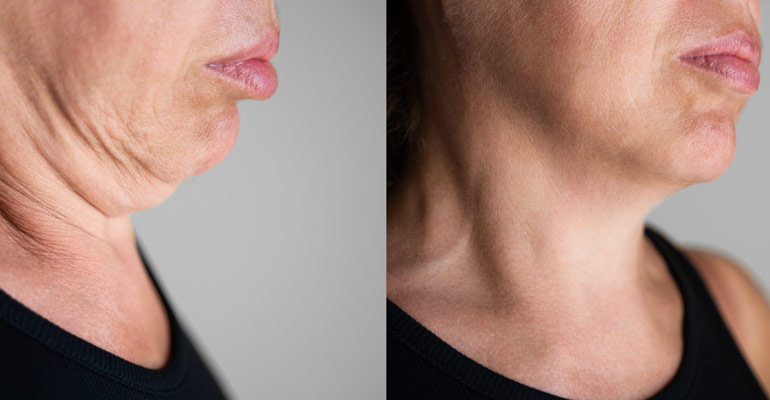
Dermal fillers in Riyadh are a popular non-surgical cosmetic treatment used to enhance facial contours, restore volume, and create a more youthful appearance with natural-looking results.
Understanding Your Aesthetic Goals
The first step in selecting the right filler is to have a clear understanding of what you hope to achieve. Instead of focusing solely on a brand name, think about the specific concerns you wish to address. Are you looking to restore volume in areas like the cheeks or temples? Do you want to sharpen your jawline, enhance your lip definition, or smooth out specific lines like nasolabial folds or marionette lines?
Being able to clearly articulate these goals to your practitioner allows them to recommend the most effective product. For example, some fillers are designed to provide significant structural lift, making them ideal for cheekbones or jawlines, while others are softer and more malleable, making them better suited for delicate areas like the lips or fine lines under the eyes.
The Role of Dermal Filler Types
Most dermal fillers currently used in top-tier clinics are made from hyaluronic acid (HA), a substance naturally found in the body that helps maintain skin hydration and volume. HA fillers are widely considered the gold standard because they are versatile, offer immediate results, and are reversible, providing a significant safety net. If you are unhappy with the outcome, a specialized enzyme can be used to dissolve the filler almost instantly.
Beyond hyaluronic acid, other types of fillers work in different ways:
-
Calcium Hydroxylapatite (CaHA): A denser, mineral-like compound often used for deeper lines or to restore contour in the cheeks and jawline. It can also stimulate collagen production.
-
Poly-L-Lactic Acid (PLLA): A synthetic, biodegradable substance that acts as a collagen stimulator. This is often an excellent choice for patients who want gradual, long-lasting improvements in skin texture and firmness rather than instant volume.
-
Polymethyl Methacrylate (PMMA): A semi-permanent filler that provides structural support and is often used for medium-to-deep wrinkles or pitted scars.
The Critical Importance of Expert Consultation
While researching filler types is helpful, the most important decision you will make is choosing your practitioner. Cosmetic injectables are a medical procedure that requires a deep understanding of facial anatomy, injection techniques, and aesthetic balance.
A qualified provider—such as a board-certified dermatologist or a highly trained plastic surgeon—will conduct a thorough facial assessment during your consultation. They will evaluate your skin quality, facial symmetry, and areas of volume loss to map out a precise injection plan. During this appointment, you should feel comfortable asking about their experience, their approach to safety, and why they are recommending a specific product over another. A good practitioner will prioritize your safety, listen to your concerns, and guide you toward a treatment plan that enhances your natural features rather than changing them.
Factors Influencing Your Choice
Several practical factors should also guide your decision-making process:
-
Longevity: Consider how long you want the results to last. Some fillers provide benefits for six to 12 months, while others, particularly those that stimulate collagen, can provide results lasting two years or more.
-
Recovery Time: Most filler treatments are minimally invasive with minimal downtime, but it is important to discuss what to expect post-procedure, including any potential temporary swelling, redness, or bruising.
-
Medical History: Be transparent about your medical history, including any allergies, chronic conditions, medications, or previous cosmetic procedures. This information is crucial for determining which fillers are safe and appropriate for you.
-
Cost Considerations: Prices vary depending on the type of filler, the amount required, and the specific area being treated. While affordability is important, prioritize quality and safety over cost. Choosing a provider based solely on price can increase the risk of using substandard products or receiving treatment from an unqualified injector.
Achieving Natural, Balanced Results
The ultimate goal of dermal filler treatment is to achieve results that are balanced, natural, and harmonious with your face. A skilled injector understands that the right product is not necessarily the one that lasts the longest or is the most expensive, but rather the one that is carefully matched to your skin’s unique needs.
By choosing to work with an experienced professional who uses authentic, high-quality products, you can ensure that your aesthetic journey is not only safe but also rewarding. Remember that this is a collaborative process. Use your consultation to build a trusted relationship with your provider, ask questions about their qualifications, and feel confident in the personalized plan they create for you. Whether you are a first-time patient or looking to switch providers, prioritizing expertise and clear communication will help you achieve the refreshed and vibrant look you desire.
What's Your Reaction?
 Like
0
Like
0
 Dislike
0
Dislike
0
 Love
0
Love
0
 Funny
0
Funny
0
 Angry
0
Angry
0
 Sad
0
Sad
0
 Wow
0
Wow
0