















Choosing the Right Single Use Paint Brush for Different Coatings

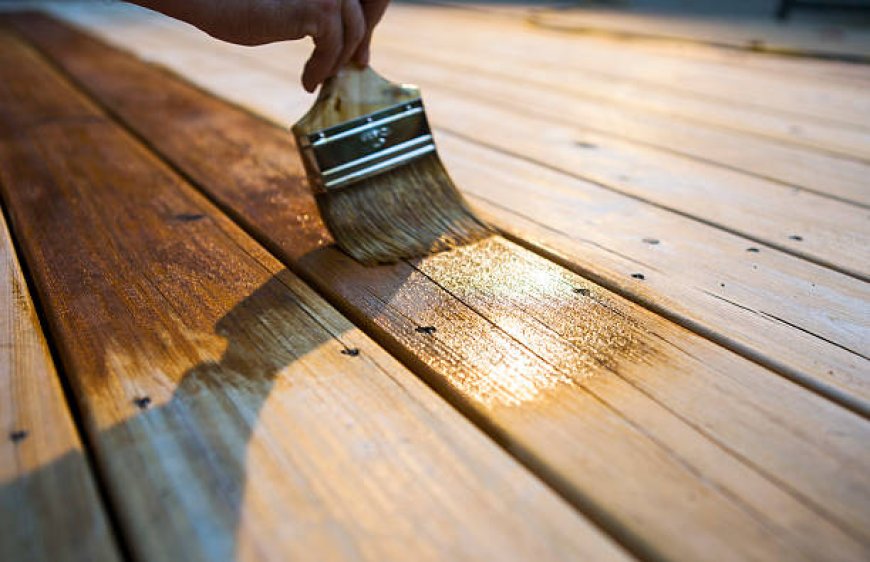
Most people don’t think twice about brushes. They grab whatever’s cheapest or closest and get going. Then halfway through the job, things look off—streaks, loose bristles, uneven finish. Yeah, that’s usually not the paint’s fault. The truth is, single use paint brushes actually matter more than people think, especially when you’re dealing with different coatings. Not every brush handles epoxy, stain, or oil the same way. And if you mismatch them, you’ll see it. Fast. This isn’t about overcomplicating things, it’s just about using the right tool so you don’t mess up a decent job.
Why Single Use Brushes Are Even a Thing
And When They Make More Sense Than Reusable Ones
There’s a reason contractors keep disposable brushes in their kit. It’s not laziness, it’s efficiency. When you’re working with heavy coatings like resins, adhesives, or harsh chemicals, cleaning a brush can take longer than the actual job. Sometimes you don’t even get it fully clean anyway. That leftover residue? It ruins the next application. So yeah, using a brush once and tossing it isn’t wasteful in that context, it’s practical. Especially on job sites where time matters and consistency matters more.
Matching Brush Type to Coating—This Is Where Most People Slip Up
Because Not All Bristles Handle the Same Materials
Here’s the part people ignore. You can’t just use one type of brush for everything. Thin coatings like stains or sealers need softer bristles that spread easily without leaving marks. But thicker stuff—like epoxy or heavy paints—needs stiffer bristles that can actually push material around. If the brush is too soft, it just drags. Too stiff, and you’ll leave lines everywhere. It’s a small detail, but it shows up in the finish. Every time.
Cheap Doesn’t Always Mean Bad—But It Can Go Wrong
Understanding Quality Without Overthinking It
Look, not every job needs a premium brush. That’s kind of the whole point of disposable ones. But there’s a difference between affordable and straight-up useless. Some brushes shed like crazy, others fall apart when they hit solvents. That’s where people regret going too cheap. You don’t need top-tier, but you do need something that holds together for at least one job. A brush that loses half its bristles mid-application? Yeah, that’s just creating more work.
Different Coatings, Different Expectations
And Your Brush Choice Has to Keep Up
Water-based paints are forgiving. You can get away with a lot there. But once you move into oil-based coatings, varnishes, or epoxies, things change. Those materials are less forgiving and show every flaw. A bad brush leaves visible strokes, uneven texture, even bubbles sometimes. With adhesives or specialty coatings, the wrong brush might not even spread the product properly. It just clumps. So yeah, knowing what you’re applying should guide what you pick up. Not the other way around.
Size Matters More Than People Think
Because Coverage and Control Don’t Always Go Together
Bigger brushes cover faster. Obvious, right? But they also reduce control, especially on edges or tight spots. Smaller brushes give you precision, but take longer. The trick is not overthinking it—just match the size to the job. Wide surfaces? Go bigger. Detail work? Stay small. A lot of pros keep multiple sizes of single use brushes on hand, just to avoid switching tools mid-job and messing up the flow.
When It Actually Makes Sense to Buy in Bulk
Especially for Contractors and Frequent Projects
If you’re doing one small project, sure, grab a couple and move on. But if you’re working regularly, it adds up. That’s where it makes sense to buy paint brushes in bulk. You save money, obviously, but more importantly, you keep consistency across jobs. Same brush type, same performance, fewer surprises. It also means you’re not running to the store mid-project because you underestimated how many you’d burn through. Happens more than people admit.
Common Mistakes That Ruin the Finish
And Most of Them Come Back to Brush Choice
People blame the paint a lot. Or the surface. Sometimes it’s valid, sure. But a lot of the time, it’s the brush. Using a soft brush on thick coating, pressing too hard, or trying to stretch one brush across multiple materials—it all shows. Another mistake? Overloading the brush. Disposable doesn’t mean indestructible. Push it too far and it just stops working the way it should. The fix isn’t complicated. Just use the right brush and don’t force it.
Conclusion
At the end of the day, choosing the right brush isn’t about being picky, it’s about avoiding problems you don’t need. Single use paint brushes are simple tools, but they play a big role in how a coating looks when it dries. Get it right, and the job feels easy. Get it wrong, and you’re stuck fixing things that shouldn’t have gone wrong in the first place. Keep it practical. Match the brush to the coating. Don’t overthink it—but don’t ignore it either. That middle ground? That’s where the good results usually live.
What's Your Reaction?
 Like
0
Like
0
 Dislike
0
Dislike
0
 Love
0
Love
0
 Funny
0
Funny
0
 Angry
0
Angry
0
 Sad
0
Sad
0
 Wow
0
Wow
0