















Copper Metal Recycling: Turning Valuable Waste into Sustainable Resources

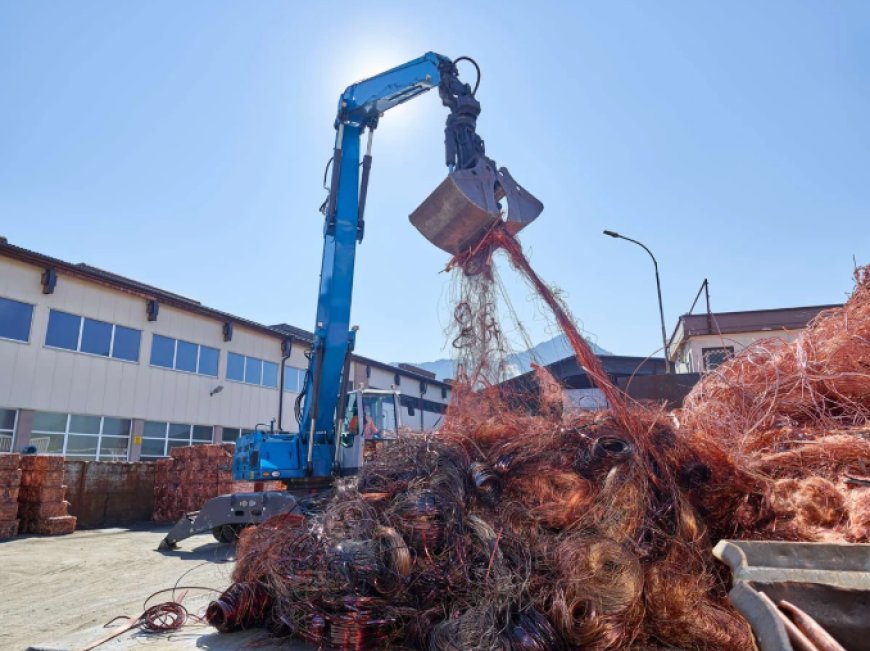
Copper is one of the most valuable and versatile metals used across modern industries. From electrical wiring and plumbing systems to renewable energy infrastructure and telecommunications, copper plays a vital role in everyday life. As demand for this essential metal continues to grow, recycling has become increasingly important for both economic and environmental reasons.
Recovering and reusing copper from discarded products helps conserve natural resources, reduce energy consumption, and minimise waste sent to landfill. As businesses and households become more environmentally conscious, the importance of Copper Metal Recycling continues to gain attention across Australia and around the world.
Understanding Copper Recycling
Copper recycling is the process of collecting, sorting, processing, and reusing copper-containing materials that would otherwise be discarded. Unlike many materials that lose quality over time, copper can be recycled repeatedly without compromising its performance or durability.
Common sources of recyclable copper include:
- Electrical cables and wiring
- Plumbing pipes and fittings
- Air conditioning units
- Electric motors and transformers
- Construction and demolition materials
- Household appliances
- Industrial manufacturing waste
Once collected, these materials are processed and transformed into high-quality copper products ready for reuse in various industries.
Why Copper Is Ideal for Recycling
Copper is often referred to as a sustainable metal because it retains its physical and chemical properties throughout the recycling process. This means recycled copper performs just as effectively as newly mined copper.
Several characteristics make copper particularly suitable for recycling:
Excellent Durability
Copper is highly resistant to corrosion and wear, allowing it to remain valuable even after decades of use.
High Market Value
Because copper is widely used and in constant demand, it often commands strong market prices, making recycling financially rewarding.
Unlimited Recyclability
Unlike some materials that degrade during processing, copper can be recycled indefinitely without losing quality.
Energy Efficiency
Producing copper from recycled materials requires significantly less energy compared to extracting and refining copper from raw ore.
Environmental Benefits of Copper Recycling
One of the most significant advantages of copper recycling is its positive impact on the environment.
Reduced Mining Activity
Mining operations can disturb ecosystems, consume large amounts of water, and generate substantial environmental impacts. Recycling copper reduces the need for new mining projects by keeping existing materials in circulation.
Lower Energy Consumption
Recycling copper requires far less energy than producing copper from virgin ore. This reduction in energy usage contributes to lower greenhouse gas emissions and supports climate sustainability goals.
Less Waste in Landfills
Many discarded products contain valuable copper components. Recycling these materials prevents unnecessary waste accumulation while recovering useful resources.
Conservation of Natural Resources
Copper is a finite resource. By recycling existing copper, industries can extend the lifespan of available reserves and reduce pressure on natural deposits.
Economic Advantages for Businesses and Individuals
Copper recycling offers financial benefits that go beyond environmental responsibility.
For businesses, selling scrap copper can create an additional revenue stream while reducing waste management costs. Construction companies, electrical contractors, manufacturers, and demolition firms often generate substantial amounts of copper-containing materials that can be recycled profitably.
Individuals can also benefit by recycling old appliances, unused wiring, plumbing materials, and household items containing copper. Rather than disposing of these materials, they can be exchanged for cash through reputable recycling facilities.
The recycling industry itself supports employment opportunities across collection, transportation, processing, manufacturing, and environmental management sectors.
The Copper Recycling Process
The journey from scrap copper to reusable material involves several important stages.
Collection
Copper-containing materials are gathered from residential, commercial, industrial, and construction sources.
Sorting
Materials are separated based on purity, grade, and contamination levels. Clean copper generally attracts higher value because it requires less processing.
Processing
The copper is cleaned, shredded, or stripped to remove insulation, coatings, or other unwanted materials.
Melting and Refining
The processed copper is melted in specialised furnaces and refined to achieve the required purity standards.
Manufacturing
The recycled copper is then used to produce new products such as electrical cables, pipes, automotive components, and industrial equipment.
This efficient cycle allows copper to remain in continuous use while reducing environmental impact.
Industries That Depend on Recycled Copper
Recycled copper is used extensively across multiple sectors.
Construction
Builders use recycled copper in plumbing systems, roofing materials, and electrical installations.
Renewable Energy
Solar panels, wind turbines, and energy storage systems require substantial amounts of copper for efficient operation.
Automotive Manufacturing
Modern vehicles, particularly electric vehicles, contain significant quantities of copper in wiring systems, motors, and batteries.
Telecommunications
Copper remains essential for communication networks, data transmission systems, and electronic equipment.
The growing demand within these industries continues to increase the importance of sustainable copper recovery practices.
Best Practices for Maximising Copper Recycling Value
Whether you're a homeowner or business owner, there are several ways to improve recycling outcomes:
- Separate copper from mixed scrap materials whenever possible.
- Remove non-metal attachments and contaminants.
- Store copper in a dry environment to prevent deterioration.
- Sort materials according to copper grade and quality.
- Work with reputable recycling facilities that offer transparent pricing and environmentally responsible processing.
Taking these simple steps can improve efficiency and maximise returns from recyclable copper materials.
Conclusion
Copper remains one of the world's most valuable and sustainable metals. Its ability to be recycled indefinitely without losing quality makes it a critical resource for supporting both economic growth and environmental protection. Through responsible [Copper Metal Recycling], businesses and individuals can reduce waste, conserve natural resources, lower energy consumption, and contribute to a more sustainable future.
As industries continue to expand and global demand for copper increases, recycling will play an even greater role in ensuring this essential material remains available for generations to come.
What's Your Reaction?
 Like
0
Like
0
 Dislike
0
Dislike
0
 Love
0
Love
0
 Funny
0
Funny
0
 Angry
0
Angry
0
 Sad
0
Sad
0
 Wow
0
Wow
0