



















Dehumidifier Dryers for Reliable Moisture Control
From pharmaceuticals and food processing to electronics and warehousing, controlled humidity plays a direct role in maintaining product integrity and reducing avoidable losses.
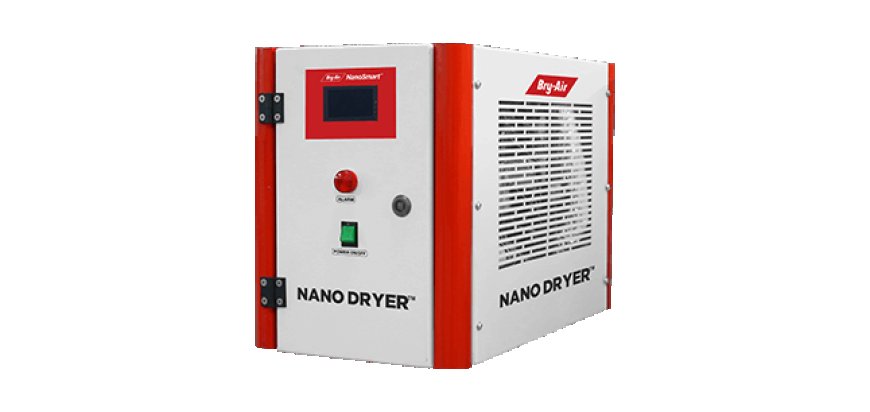
Introduction
Moisture is one of the most overlooked factors affecting product quality, equipment reliability, and indoor environmental conditions across industries. Whether it leads to corrosion, microbial growth, product degradation, or production delays, uncontrolled humidity can have long-term operational consequences. This is why Dehumidifier Dryers have become an essential part of modern manufacturing, storage, laboratories, and commercial facilities. Rather than simply removing visible moisture, these systems create stable environmental conditions that protect sensitive materials, improve process consistency, and help businesses meet strict quality standards.
As industries continue to adopt higher quality standards and more efficient production methods, understanding how dehumidification works is becoming increasingly important. From pharmaceuticals and food processing to electronics and warehousing, controlled humidity plays a direct role in maintaining product integrity and reducing avoidable losses.
Why Dehumidifier Dryers Matter in Modern Industries
Humidity affects far more than personal comfort. In industrial environments, excessive moisture in the air can alter the physical and chemical properties of raw materials, interfere with manufacturing processes, and shorten the lifespan of valuable equipment. Even a small increase in relative humidity may introduce problems that remain unnoticed until products begin failing quality inspections or storage conditions deteriorate.
Dehumidifier Dryers address these challenges by removing excess moisture before it becomes a problem. Unlike standard ventilation systems that merely circulate air, these units actively reduce humidity to predetermined levels, ensuring a controlled environment throughout production and storage.
Industries handling hygroscopic materials particularly benefit from precise humidity control. Powders, chemicals, paper products, textiles, seeds, pharmaceuticals, and electronic components readily absorb moisture from surrounding air. This absorption can lead to clumping, dimensional instability, reduced shelf life, and compromised performance. Maintaining the correct humidity level minimizes these risks while supporting consistent production outcomes.
The growing emphasis on quality assurance, regulatory compliance, and energy-efficient manufacturing has further increased the adoption of advanced dehumidification technologies across industrial sectors.
Understanding How Dehumidifier Dryers Work
At their core, Dehumidifier Dryers are designed to extract moisture from air before it circulates through a controlled space. Although several technologies exist, desiccant-based systems are widely preferred for applications requiring consistently low humidity regardless of outdoor weather conditions.
A desiccant rotor or wheel absorbs water vapor from incoming air. The dried process air is then delivered into the controlled environment, while a separate regeneration airflow removes accumulated moisture from the desiccant material, allowing continuous operation.
Desiccant Technology for Low Humidity Applications
Desiccant dehumidification offers significant advantages in environments where extremely low humidity is necessary. Unlike refrigeration-based systems, which become less effective at lower temperatures, desiccant systems continue performing efficiently across a broad operating range.
This capability makes them particularly suitable for pharmaceutical manufacturing, lithium battery production, electronics assembly, cleanrooms, seed storage, and research laboratories where moisture-sensitive operations demand stable environmental conditions.
Modern systems also incorporate automated controls, humidity sensors, variable airflow management, and energy recovery technologies to improve efficiency while maintaining precise environmental parameters.

Industries That Benefit Most from Controlled Dehumidification
Many industries rely on humidity control to protect products, improve manufacturing consistency, and reduce operational risks. The importance of dehumidification extends well beyond traditional drying applications.
In pharmaceutical manufacturing, maintaining controlled humidity helps preserve active ingredients, improves tablet compression, reduces sticking during coating operations, and supports compliance with Good Manufacturing Practices (GMP). Even slight humidity fluctuations may influence product stability throughout its shelf life.
Food manufacturers depend on low humidity to minimize microbial growth, reduce moisture absorption, and maintain product texture. Dry ingredients, spices, confectionery, and powdered foods are especially vulnerable to excess moisture during production and storage.
Electronics manufacturers require highly controlled environments to prevent condensation, corrosion, and electrostatic discharge issues. Semiconductor fabrication, printed circuit board assembly, and precision instrumentation all benefit from consistent humidity control.
Warehouses and logistics facilities use industrial dehumidification to protect stored goods from moisture damage, mold development, packaging deterioration, and rust formation. Stable humidity also improves inventory longevity, particularly for paper products, chemicals, textiles, and machinery.
Laboratories, museums, archives, aerospace facilities, and defense installations likewise rely on carefully controlled humidity to preserve sensitive materials and maintain operational reliability.
The Relationship Between Humidity Control and Product Quality
Maintaining optimal humidity directly influences product quality throughout manufacturing, packaging, transportation, and storage. Excess moisture often causes gradual degradation that becomes apparent only after products reach customers or fail quality inspections.
Raw materials frequently absorb atmospheric moisture before entering production. This additional moisture changes weight, alters chemical composition, affects mixing consistency, and influences processing behavior. Finished products may experience swelling, cracking, microbial contamination, discoloration, or reduced performance when stored under uncontrolled humidity conditions.
Packaging materials are similarly affected. Cardboard, labels, adhesives, films, and paper products may warp or lose structural integrity in humid environments. Moisture-sensitive packaging can compromise product protection and increase shipping damage.
Consistent humidity control improves process repeatability by reducing environmental variability. Manufacturers achieve tighter production tolerances, lower rejection rates, fewer interruptions, and more predictable product performance. These operational improvements often translate into reduced waste and higher customer satisfaction.
Organizations implementing comprehensive humidity management frequently discover that preventing moisture-related issues is considerably more cost-effective than correcting product failures after production.
Preventing Mold Growth Through Effective Moisture Management
Mold thrives in environments where excess moisture remains available for extended periods. High relative humidity creates ideal conditions for fungal spores to develop on walls, ceilings, stored products, packaging materials, insulation, textiles, and wooden structures.
While cleaning visible mold addresses immediate contamination, it rarely solves the underlying humidity problem. Sustainable mold prevention requires reducing airborne moisture before condensation and microbial growth occur.
This is where a well-designed dehumidification strategy becomes particularly valuable. Maintaining appropriate humidity levels limits the environmental conditions mold requires to establish and spread.
Facilities managing archives, healthcare environments, food processing plants, educational institutions, commercial buildings, warehouses, and residential basements often integrate humidity control into broader indoor environmental management programs.
As a result, many facility managers also consider a Mould Dehumidifier as part of preventive building maintenance. By maintaining balanced humidity levels throughout occupied spaces, these systems help reduce moisture accumulation that encourages mold development while supporting healthier indoor environments.
Choosing the Right Dehumidifier Dryer for Your Application
Selecting the appropriate dehumidification system requires evaluating multiple operational factors rather than simply comparing moisture removal capacity.
The desired humidity level represents one of the most important considerations. Applications requiring very low dew points typically benefit from desiccant technology, while moderate humidity control may be achieved using alternative approaches depending on environmental conditions.
Ambient temperature, airflow requirements, room size, production schedules, occupancy patterns, and moisture load all influence equipment selection. Facilities located in regions experiencing seasonal humidity fluctuations should also account for changing environmental conditions throughout the year.
Energy efficiency has become another significant selection criterion. Modern systems often include intelligent controllers, heat recovery features, demand-based operation, and variable-speed fans that reduce operating costs while maintaining consistent humidity levels.
Maintenance requirements should not be overlooked. Easily accessible filters, durable components, automated monitoring systems, and reliable humidity sensors simplify routine servicing while improving long-term operational reliability.
Consulting experienced humidity control specialists during system design helps ensure the selected equipment aligns with both current operational requirements and future expansion plans. Companies such as Bry-Air have contributed to advancing industrial dehumidification technologies for applications requiring precise environmental control across diverse industries.
Energy Efficiency and Long-Term Operational Benefits
Although installing industrial dehumidification equipment represents an initial investment, the long-term operational advantages often extend well beyond humidity control itself.
Lower product rejection rates, improved production consistency, reduced corrosion, fewer equipment failures, and longer storage life collectively contribute to measurable operational savings. Preventing moisture-related damage also reduces maintenance expenses associated with mold remediation, structural repairs, and equipment replacement.
Energy-efficient Dehumidifier Dryers further improve sustainability initiatives by optimizing airflow, minimizing unnecessary regeneration cycles, and maintaining humidity only where required. Intelligent control systems continuously monitor environmental conditions and adjust operation to match changing moisture loads.
Consistent humidity also enhances workplace comfort in many industrial settings. Employees working in controlled environments often experience improved working conditions, while production equipment operates within designed environmental parameters.
Organizations increasingly recognize humidity management as an integral component of overall facility optimization rather than an isolated environmental control measure.
Future Trends in Industrial Dehumidification Technology
Industrial humidity control continues evolving alongside advancements in automation, digital monitoring, and sustainable engineering practices. Modern dehumidification systems increasingly integrate with centralized building management systems, allowing operators to monitor environmental performance in real time.
Smart sensors continuously measure humidity, temperature, airflow, and energy consumption while generating alerts when operating conditions deviate from predefined limits. Predictive maintenance technologies further reduce downtime by identifying component wear before failures occur.
Manufacturers are also developing more energy-efficient desiccant materials, improved regeneration methods, and environmentally responsible system designs that reduce operational emissions while maintaining high performance.
As industries continue emphasizing product quality, regulatory compliance, resource efficiency, and sustainability, humidity control will remain a critical element of advanced manufacturing and storage infrastructure. Dehumidification is no longer viewed solely as an environmental control solution but as a strategic investment supporting operational excellence.
Conclusion
Effective humidity control influences nearly every stage of manufacturing, storage, and facility management. From protecting sensitive raw materials and preserving finished products to improving production consistency and preventing equipment damage, Dehumidifier Dryers play an increasingly important role across numerous industries. By maintaining stable environmental conditions, businesses can reduce waste, improve product quality, and enhance operational efficiency over the long term.
Equally important, controlling humidity helps minimize conditions that encourage microbial growth, making a Mould Dehumidifier an essential consideration for facilities seeking healthier indoor environments and better protection of valuable assets. As technology continues advancing, intelligent dehumidification solutions will remain central to reliable, efficient, and sustainable industrial operations.
FAQs
1. What is the primary purpose of a dehumidifier dryer?
A dehumidifier dryer removes excess moisture from the air to maintain controlled humidity levels within a specific environment. Unlike conventional ventilation systems, it actively reduces water vapor, helping protect moisture-sensitive materials, improve manufacturing consistency, prevent corrosion, reduce condensation, and maintain stable storage conditions. These systems are widely used in industries where humidity directly affects product quality and operational reliability.
2. How do desiccant dehumidifier dryers differ from refrigerant dehumidifiers?
Desiccant dehumidifier dryers use moisture-absorbing materials to remove humidity and perform efficiently even at low temperatures and very low humidity levels. Refrigerant dehumidifiers cool the air to condense moisture, making them more suitable for moderate humidity conditions. For industrial applications requiring precise environmental control, desiccant systems are generally preferred because they maintain consistent performance regardless of seasonal temperature changes.
3. Which industries benefit the most from dehumidifier dryers?
Many industries rely on controlled humidity, including pharmaceuticals, food processing, electronics manufacturing, chemical production, warehousing, seed storage, laboratories, aerospace, defense, and museums. These environments often contain moisture-sensitive materials that can degrade when exposed to excessive humidity. Proper dehumidification improves product quality, extends shelf life, reduces equipment damage, and supports regulatory compliance across diverse industrial applications.
4. Can dehumidifier dryers help prevent mold growth?
Yes. Mold requires sufficient moisture to grow and spread. By maintaining appropriate indoor humidity levels, dehumidifier dryers significantly reduce the conditions that encourage mold development. Although removing existing mold requires proper cleaning and remediation, controlling humidity helps prevent future outbreaks. This makes dehumidification an important component of long-term moisture management strategies in commercial buildings, warehouses, healthcare facilities, archives, and industrial environments.
What's Your Reaction?
 Like
0
Like
0
 Dislike
0
Dislike
0
 Love
0
Love
0
 Funny
0
Funny
0
 Angry
0
Angry
0
 Sad
0
Sad
0
 Wow
0
Wow
0