Are dental implants permanent?
Dental implants are designed to be a long-term solution for missing teeth and may last for decades or even a lifetime with proper oral hygiene, healthy gums, regular dental check-ups, and suitable aftercare. However, the implant and attached crown may have different lifespans, and complications can sometimes occur.
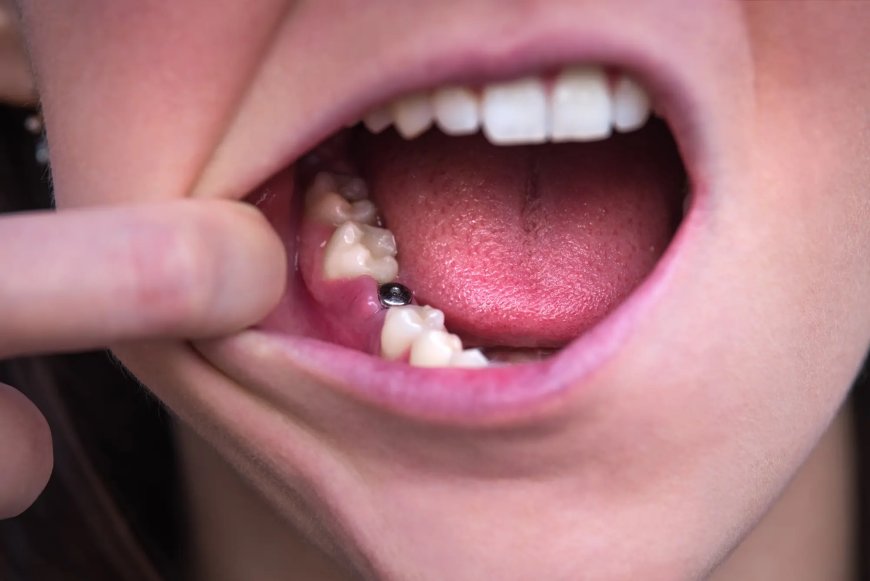
Dental implants are designed to be a long-term solution for missing teeth and may last for many years or even a lifetime with proper care. However, they should not be considered guaranteed to last forever. The implant post placed inside the jawbone can remain stable for decades, while the crown, bridge, or denture attached to it may require repair or replacement over time. People considering زراعة الأسنان في دبي should consult a qualified dentist to understand the expected lifespan, possible risks, and maintenance requirements of implant treatment.
What Makes Dental Implants Long-Lasting?
A dental implant replaces the root of a missing tooth. It is usually made from titanium or another biocompatible material and is surgically placed into the jawbone. After placement, the bone gradually joins with the implant through a process called osseointegration.
Once healing is complete, the implant provides a stable foundation for an artificial tooth. This structure is designed to withstand normal chewing forces and function similarly to a natural tooth.
The implant system generally includes:
- The implant post placed in the jawbone
- The abutment that connects the post to the artificial tooth
- The crown, bridge, or denture visible in the mouth
Each part has a different function and may have a different lifespan. The implant post may remain in place for life, but the attached restoration can experience normal wear.
How Long Can Dental Implants Last?
Many dental implants remain functional for ten years or longer. Some patients keep their implants for several decades when they maintain good oral hygiene and attend regular dental appointments.
Long-term studies have reported high implant survival rates, although results vary according to the patient, implant location, treatment method, and follow-up period. One large study involving more than 10,000 implants reported an implant-level survival rate of approximately 96.8% after ten years and 94% after fifteen years. These figures show that implants can be highly durable, but they do not guarantee the same outcome for every individual.
A dentist will consider the patient’s general health, bone quality, gum condition, bite, smoking habits, and ability to maintain oral hygiene when estimating long-term success.
Does The Dental Crown Last As Long As The Implant?
Not always. The implant post is protected within the jawbone, while the crown is exposed to chewing pressure, food, temperature changes, and daily wear.
The crown may last many years, but it can eventually become worn, chipped, cracked, or loose. It may also need replacement if the shape or colour no longer matches the surrounding teeth.
A crown can sometimes be repaired without removing the implant itself. If the implant remains healthy and stable, replacing the crown may restore normal function without repeating the entire surgical procedure.
This is why patients should understand that dental implant treatment includes both a long-term implant foundation and a restoration that may require future maintenance.
What Factors Affect Implant Longevity?
Several factors can influence how long dental implants remain successful.
Oral Hygiene:
Brushing twice daily, cleaning between teeth, and following the dentist’s instructions help reduce the risk of infection around the implant. Poor oral hygiene can contribute to inflammation and bone loss.
Gum Health:
Healthy gums are important for protecting the tissues surrounding the implant. A condition called peri-implantitis can cause inflammation and damage to the bone supporting the implant. Early assessment and treatment may help prevent further problems.
Smoking:
Smoking can interfere with healing and increase the risk of implant complications. Patients who smoke should discuss the risks with their dentist and may be advised to stop before and after surgery.
Bone Quality:
The implant needs sufficient healthy bone for support. Some patients may require bone grafting or another preparatory procedure before implant placement.
General Health:
Conditions such as uncontrolled diabetes may affect healing and increase the risk of complications. The dentist should be informed about medical conditions and all medicines being taken.
Bite And Grinding:
Excessive pressure from teeth grinding, clenching, or an uneven bite may place additional stress on the implant and crown. A dentist may recommend a night guard or other protective treatment when appropriate.
Can Dental Implants Fail?
Although dental implants have a high success rate, failure can occur. Early failure may happen if the implant does not integrate properly with the jawbone. Infection, poor healing, insufficient bone, or excessive movement during healing may contribute to this problem.
Late complications may include:
- Gum inflammation
- Bone loss around the implant
- Loose abutment screws
- Cracked or damaged crowns
- Excessive biting pressure
- Difficulty cleaning around the implant
- Untreated gum disease
The U.S. Food and Drug Administration explains that implant complications can occur soon after placement or many years later. A loose or painful implant should be assessed by a dental professional promptly.
How Can You Make Dental Implants Last Longer?
Long-term care is essential. Patients should treat their implants as carefully as they would their natural teeth.
Recommended habits may include:
- Brush twice daily with a soft-bristled toothbrush.
- Clean between teeth using floss or an implant-friendly cleaning aid.
- Attend regular dental check-ups.
- Follow professional cleaning recommendations.
- Avoid using teeth to open packages or bite hard objects.
- Wear a protective mouthguard if advised.
- Avoid smoking and tobacco products.
- Report bleeding, swelling, pain, or looseness promptly.
Regular dental visits allow the dentist to examine the implant, gums, bite, and restoration. Early treatment of small problems may prevent more serious complications.
Are Dental Implants Better Than Dentures Or Bridges?
Dental implants may provide greater stability than removable dentures because they are anchored in the jawbone. They can also replace a missing tooth without requiring the neighbouring teeth to be prepared as supports, as may happen with a traditional bridge.
However, implants require surgery, healing time, and ongoing maintenance. They may not be suitable for every patient. Dentures, bridges, or other options may be more appropriate depending on oral health, bone condition, medical history, treatment goals, and personal preference.
A dentist should explain the advantages and limitations of each option before treatment begins.
When Should You Contact A Dentist?
Patients should contact their dentist if an implant becomes loose, painful, swollen, or uncomfortable. Bleeding around the implant, persistent bad taste, pus, changes in the bite, or difficulty chewing may also require assessment.
Do not wait for a routine appointment if symptoms are severe or worsening. Prompt evaluation may help identify infection, inflammation, mechanical problems, or another issue affecting the implant.
Frequently Asked Questions:
Can dental implants last a lifetime?
Yes, the implant post may last a lifetime in some patients, particularly with proper care and regular dental monitoring. However, lifetime survival is not guaranteed.
How often does the crown need replacement?
The crown may need replacement after years of normal wear, but the timing varies according to the material, bite, oral hygiene, and daily habits.
Can smoking affect dental implants?
Yes. Smoking can interfere with healing and increase the risk of implant failure or gum complications.
Do dental implants require special cleaning?
Implants should be cleaned regularly like natural teeth, although the dentist may recommend specific tools for cleaning around the implant and crown.
What happens if a dental implant becomes loose?
A loose implant should be assessed promptly. The problem may involve the crown, abutment, screw, or implant itself, and treatment depends on the cause.
Conclusion:
Dental implants are intended to provide a durable, long-term replacement for missing teeth. With healthy gums, sufficient bone, good oral hygiene, regular dental check-ups, and suitable lifestyle habits, the implant post may last for decades or even a lifetime. However, the attached crown or other restoration may require repair or replacement. A professional dental assessment and consistent maintenance are important for protecting the implant and supporting long-term oral health.
What's Your Reaction?
 Like
0
 Dislike
0
 Love
0
 Funny
0
 Angry
0
 Sad
0
 Wow
0