



















Early Signs and Symptoms of Hepatitis B
Learn about possible early signs of hepatitis B, common symptoms, and when to consider a hepatitis B blood test for early detection.

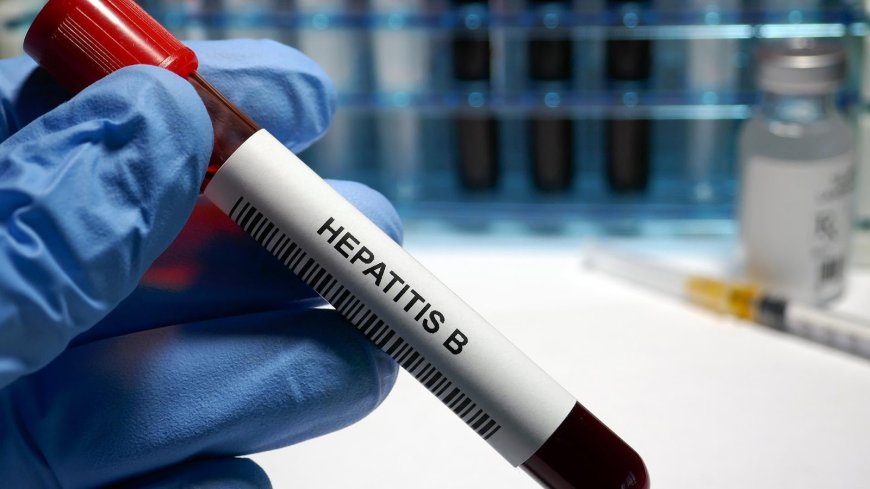
Hepatitis B is a viral infection that affects the liver and can sometimes develop without noticeable symptoms. Some people experience early signs such as tiredness, nausea, abdominal discomfort, or yellowing of the skin. However, these symptoms can also be caused by other health conditions. A Hepatitis B Test is the reliable way to check for infection, especially for people with possible exposure or other risk factors in Dubai.
Understanding the possible warning signs can help you decide when to seek medical advice. Early testing is important because hepatitis B can sometimes become a long-term infection without causing obvious symptoms.
What Is Hepatitis B?
Hepatitis B is a liver infection caused by the hepatitis B virus (HBV). It can cause short-term illness, known as acute hepatitis B, or develop into chronic infection that lasts for years.
The virus can spread through contact with infected blood and certain body fluids. Common transmission routes include unprotected sexual contact, sharing needles or other injection equipment, and transmission from an infected mother to her baby during childbirth.
Hepatitis B does not spread through ordinary social contact, such as hugging, sharing meals, or sitting beside someone.
Early Signs and Symptoms of Hepatitis B
Not everyone with hepatitis B develops symptoms. In fact, some people may have the infection without knowing it. When symptoms do appear, they can be mild at first and may become more noticeable over time.
Unusual Tiredness and Weakness
Persistent tiredness is one possible symptom of hepatitis B. You may feel exhausted even after getting enough sleep or notice that everyday activities require more effort than usual.
Fatigue can have many causes, including stress, poor sleep, and other medical conditions. If it continues without an obvious explanation, consult a healthcare professional about whether testing is appropriate.
Loss of Appetite
Some people with hepatitis B experience a reduced appetite. Food may seem less appealing, and you may feel full sooner than usual.
A loss of appetite can occur alongside nausea or general discomfort. If it continues or affects your ability to eat normally, medical assessment may be helpful.
Nausea and Vomiting
Nausea is another possible sign of hepatitis B. Some individuals experience an unsettled stomach, while others may vomit or feel uncomfortable after eating.
These symptoms are not specific to hepatitis B. A medical professional can help determine whether they require further investigation.
Pain or Discomfort in the Upper Abdomen
The liver is located on the upper-right side of the abdomen. Some people with hepatitis B may experience discomfort or pain in this area.
However, abdominal pain can be associated with several conditions. It should not be used alone to identify a liver infection.
Dark-Coloured Urine
Urine that appears unusually dark, similar to tea or cola, can sometimes occur when bilirubin levels increase because of liver inflammation.
If you notice persistent dark urine, particularly alongside yellowing of the eyes or skin, seek medical advice.
Yellowing of the Skin and Eyes
Jaundice is a noticeable symptom that can develop when the liver cannot process bilirubin normally. The whites of the eyes or skin may become yellow.
Jaundice can have different causes and should always be medically assessed, especially when it appears with abdominal pain, fever, or vomiting.
Can You Have Hepatitis B Without Symptoms?
Yes. Many people with hepatitis B do not experience obvious symptoms, particularly during the early stages of infection. Some may feel completely healthy while the virus is present in their body.
This is one reason why symptoms alone cannot confirm or rule out hepatitis B. A person may need testing even when they feel well, particularly after a possible exposure or if they have other recognised risk factors.
In Dubai, people concerned about potential exposure can discuss appropriate screening with a qualified healthcare professional.
When Should You Consider a Hepatitis B Test?
A healthcare professional may recommend a Hepatitis B Test in several situations. Testing can help identify an infection that might otherwise remain unnoticed.
You may need to discuss screening if you have had unprotected sexual contact with someone who has hepatitis B, shared needles or injection equipment, or had direct contact with potentially infected blood.
Testing may also be recommended for people whose sexual partners or household members have hepatitis B, pregnant women, healthcare workers with possible occupational exposure, and individuals with certain liver conditions.
People who are unsure about their vaccination or infection status can also ask a healthcare professional whether screening is suitable.
Which Blood Tests Can Identify Hepatitis B?
Hepatitis B is usually identified through specific blood tests. Doctors may recommend a combination of markers to understand whether someone has a current infection, previous exposure, or immunity.
Hepatitis B Surface Antigen (HBsAg)
HBsAg is a marker commonly used to identify a current hepatitis B infection. A positive result generally indicates that the virus is present, although further assessment is needed to understand the infection.
Hepatitis B Surface Antibody (Anti-HBs)
Anti-HBs can indicate immunity against hepatitis B. It may develop after successful vaccination or recovery from a previous infection.
Hepatitis B Core Antibody (Anti-HBc)
This marker indicates previous or current natural exposure to the hepatitis B virus. It is not produced by hepatitis B vaccination alone.
Doctors interpret these markers together rather than relying on one result in isolation. Additional tests, such as IgM anti-HBc or HBV DNA, may be recommended depending on the situation.
Why Early Hepatitis B Detection Matters
Early detection helps identify an infection before complications develop. Although some people recover from acute hepatitis B, others may develop chronic infection.
Long-term hepatitis B can cause ongoing liver inflammation and may increase the risk of liver scarring, cirrhosis, and liver cancer.
A confirmed diagnosis allows healthcare professionals to assess liver health, monitor the infection when necessary, and discuss suitable treatment or follow-up.
Not everyone with hepatitis B needs medication immediately. Treatment decisions depend on factors such as viral activity, liver condition, and overall health.
What If You Notice Symptoms but Your Test Is Negative?
A negative result can be reassuring, but its meaning depends on when the test was performed and the type of test used.
Hepatitis B markers may not become detectable immediately after exposure. If testing takes place too early, a healthcare professional may recommend repeating the test after an appropriate interval.
If symptoms continue despite a negative result, further medical assessment may be needed to investigate other possible causes.
Anyone with a recent potential exposure should seek medical advice promptly rather than waiting for symptoms. Vaccination and hepatitis B immune globulin may be recommended in certain exposure situations, depending on individual circumstances.
How Can You Reduce the Risk of Hepatitis B?
Prevention is an important part of protecting your liver health. The hepatitis B vaccine offers effective protection against infection.
You can also reduce your risk by avoiding shared needles, using sterile equipment for medical or cosmetic procedures, practising safer sex, and ensuring that healthcare and personal-care equipment is properly sterilised.
If you have a partner with hepatitis B, discuss vaccination and appropriate testing with a healthcare professional.
Enfield STD Clinic
People concerned about possible hepatitis B exposure or unexplained symptoms can seek professional guidance about appropriate screening. Enfield STD Clinic provides a setting where individuals can discuss sexual health testing and understand the importance of identifying infections early.
If you are in Dubai and considering a Hepatitis B Test, consult a qualified healthcare professional to determine which blood tests are suitable for your circumstances. Early assessment can help you understand your health status and decide whether further monitoring or care is needed.
Final Thoughts
Early signs of hepatitis B can include tiredness, nausea, loss of appetite, abdominal discomfort, dark urine, and jaundice. However, many people have no noticeable symptoms, making blood testing particularly important when there is a possible exposure or recognised risk factor.
If you are concerned about hepatitis B, do not rely on symptoms alone. Speak with a healthcare professional about suitable testing, vaccination, and any necessary follow-up. Early detection can support better liver health and help prevent long-term complications.
What's Your Reaction?
 Like
0
 Dislike
0
 Love
0
 Funny
0
 Angry
0
 Sad
0
 Wow
0





