


















Empowering Proactive Wellness: The Digital Skin Care Revolution

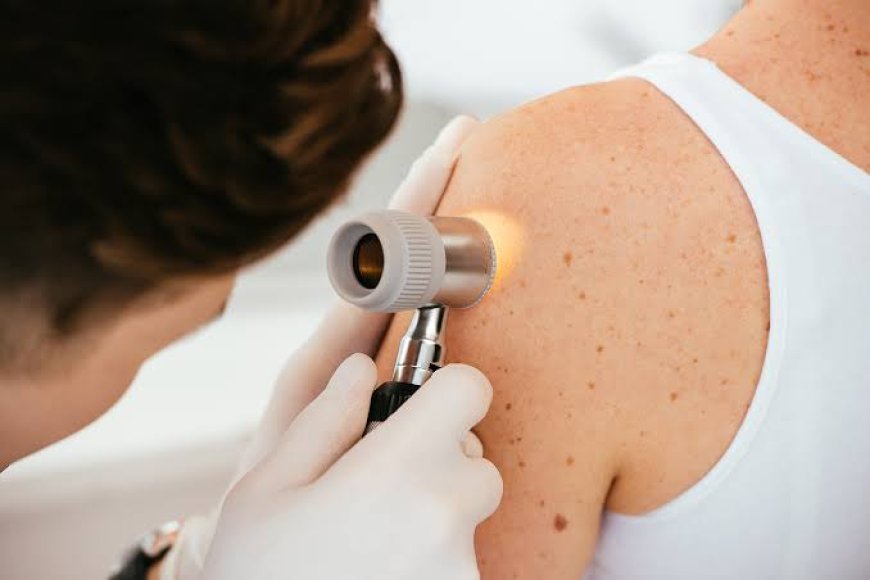
The landscape of personal health is undergoing a radical transformation, as individuals increasingly utilize digital tools to monitor their well-being from the comfort of home. Central to this shift is the emergence of the advanced
The Science Behind Digital Analysis
At the core of modern skin analysis are deep learning models, such as convolutional neural networks (CNNs), which are trained on vast datasets of validated clinical imagery
How Digital Tools Process Information
-
Quality Assessment: The system first verifies that uploaded images meet technical standards, such as sufficient focus, proper lighting, and accurate framing, to ensure reliability
-
Feature Extraction: Once an image is accepted, the software isolates the area of interest and performs a multi-parametric analysis of texture and pigmentation
-
Risk Stratification: Based on the comparison against thousands of known cases, the system provides a probability assessment to help users determine the necessity of an urgent clinical visit
The Importance of Consistent Observation
Skin health is rarely static; it is a dynamic process influenced by sun exposure, genetics, and environmental factors
Why Documentation Matters
-
Objective History: Regular, dated photographs provide a clear, chronological narrative of your skin's health
-
Clinical Efficiency: Providing a dermatologist with a pre-established digital log allows them to focus their consultation on areas of proven change, rather than relying on a patient’s subjective memory
-
Early Intervention: Frequent monitoring acts as a continuous safety net, helping users catch anomalies at the earliest, most treatable stages
Integrating Digital Tools into Your Routine
For many, performing a regular
Best Practices for Your Monthly Review
-
Select a Fixed Date: Choosing a specific day each month to perform your scan ensures your record remains consistent
-
Prioritize Ideal Conditions: Always scan in a room with diffused, natural light to avoid the color shifts often caused by artificial bulbs
-
Don't Ignore Hard-to-Reach Areas: Be thorough and monitor regions such as the scalp, the soles of your feet, and the areas between your toes, as these are frequently missed during casual checks
Frequently Asked Questions
What is the primary role of these digital health tools?
These tools are intended for screening and monitoring purposes only
Should I be worried if an app flags a lesion?
No
How is my personal image data protected?
Trusted platforms prioritize security by using end-to-end encryption and ensuring images are anonymized to comply with strict international privacy regulations
Are these tools validated for different skin tones?
The technology is rapidly advancing in inclusivity
Do these digital tools replace a medical visit?
No
Would you like me to explore how these digital tools are being utilized in rural health clinics, or perhaps provide a guide on how to talk to your doctor about your digital skin history?
What's Your Reaction?
 Like
0
Like
0
 Dislike
0
Dislike
0
 Love
0
Love
0
 Funny
0
Funny
0
 Angry
0
Angry
0
 Sad
0
Sad
0
 Wow
0
Wow
0