
























Epidemiological Mapping of Structural Anomalies in Riyadh Neonates.

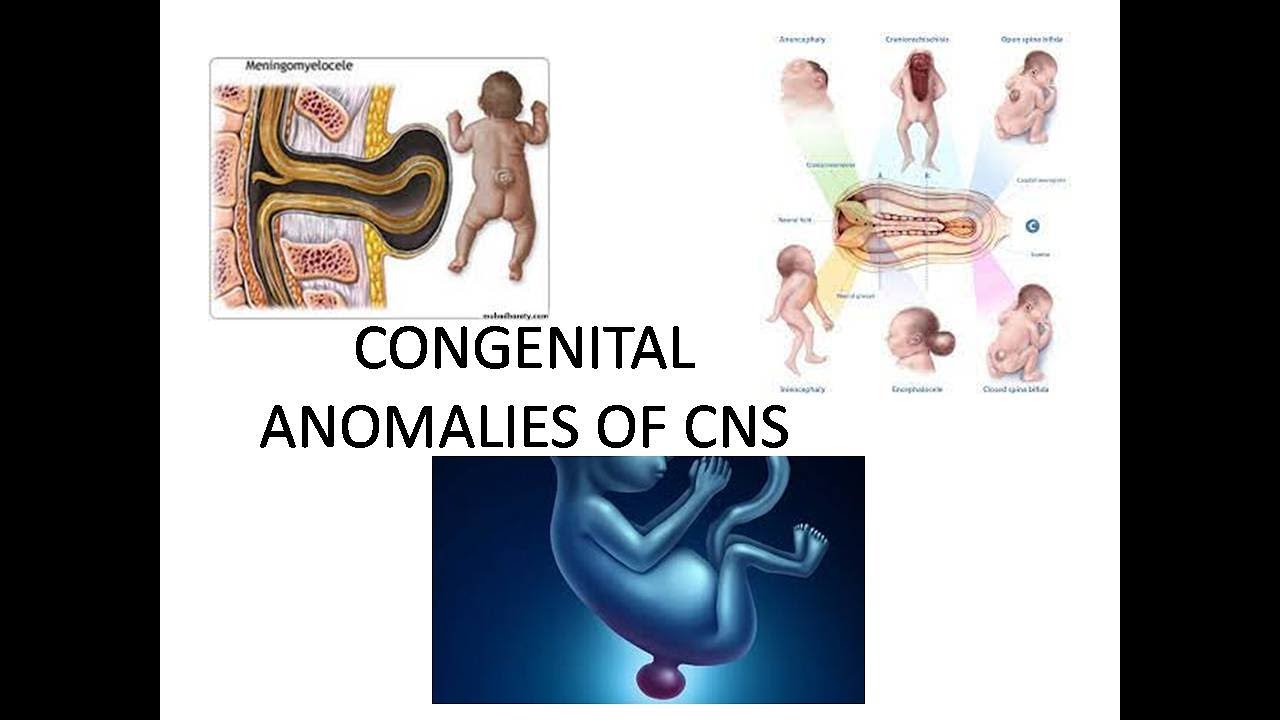
Epidemiological Mapping of Structural Anomalies in Riyadh Neonates
Congenital Anomalies in Riyadh are subject to ongoing epidemiological mapping efforts aimed at identifying the geographic, clinical, and temporal distributions of structural defects in the neonatal population. As the capital city continues to experience rapid urban development and demographic shifts, the capacity to map these occurrences has become a cornerstone of public health infrastructure. By layering clinical data over the city’s administrative landscape, researchers and healthcare planners can identify clusters, optimize the distribution of specialized care, and address the specific health needs of a diverse pediatric population. This proactive approach to mapping is vital for transitioning from retrospective data analysis to predictive modeling, ultimately fostering a more resilient healthcare ecosystem for neonates.
The Methodology of Mapping
Epidemiological mapping in Riyadh relies on the integration of data from large-scale tertiary hospitals that serve as regional hubs. Because these facilities centralize care for high-risk neonates, they provide the primary datasets for identifying the prevalence of structural defects—such as neural tube defects (NTDs), cardiovascular malformations, and musculoskeletal anomalies. The mapping process utilizes geospatial tools to correlate the incidence of these conditions with maternal residence, socio-economic variables, and healthcare access points. By visualizing where these cases originate, planners can discern whether certain anomalies appear in higher concentrations within specific city districts, which may reveal correlations with environmental exposures, nutritional status, or local health awareness levels.
Distribution of Structural Anomalies
Mapping efforts have consistently identified structural cardiovascular malformations as the most frequently occurring category of birth defects across all districts of Riyadh. These conditions, which range from septal defects to more complex cyanotic heart diseases, account for a significant portion of neonatal surgical referrals. Following cardiovascular issues, the mapping data highlight a consistent distribution of urogenital and nervous system anomalies. The spatial analysis of these conditions often reflects the density of maternal care services; areas with greater access to prenatal screening programs tend to exhibit higher rates of early detection, which in turn influences the clinical trajectory and survival outcomes for neonates in those specific locales.
Correlation with Maternal and Genetic Variables
A critical component of epidemiological mapping is the layering of risk factors onto structural outcome data. Mapping has reinforced the strong association between maternal metabolic health—specifically gestational diabetes—and the occurrence of various organogenesis errors. By mapping the location of maternal health clusters, researchers are better able to identify underserved neighborhoods where glycemic screening and public health education might have the most significant impact. Additionally, the data underscore the influence of consanguinity; neighborhoods with higher rates of familial marriages often show a higher prevalence of complex, syndromic, or multi-system anomalies. This allows for a more personalized approach to public health, where genetic counseling resources can be prioritized based on localized epidemiological profiles.
Challenges in Data Integration
While the mapping of structural anomalies has advanced, several challenges remain. The primary issue is the fragmentation of data across various healthcare systems. Currently, a significant portion of neonatal data is captured within specialized hospital registries, but achieving a truly city-wide map requires the systematic inclusion of primary and secondary healthcare records. Furthermore, capturing cases that are diagnosed late or remain undiagnosed at birth continues to be a hurdle. Bridging these data gaps is essential for creating an accurate "real-time" map of structural anomalies that can trigger rapid public health responses and ensure that specialized surgical resources are available where they are most urgently needed.
Implications for Future Urban Health Planning
The power of epidemiological mapping lies in its ability to inform systemic change. By visualizing the landscape of structural anomalies, health authorities in Riyadh can transition toward a more targeted allocation of resources. This might include the establishment of specialized satellite clinics in areas with higher concentrations of complex maternal-fetal cases, or the rollout of focused folic acid supplementation programs in neighborhoods identified as high-risk for neural tube defects. Furthermore, mapping serves as a tool for longitudinal tracking, allowing officials to measure the success of preventative policies over time. As the city continues to grow, integrating sophisticated mapping technology into the daily operations of neonatal healthcare will remain a vital strategy for reducing the overall burden of structural anomalies and ensuring that every newborn has access to the specialized care required for a healthy start in life.
What's Your Reaction?
 Like
0
Like
0
 Dislike
0
Dislike
0
 Love
0
Love
0
 Funny
0
Funny
0
 Angry
0
Angry
0
 Sad
0
Sad
0
 Wow
0
Wow
0