


















Hair transplant for genetic baldness patterns
Hair transplant for genetic baldness patterns

Hair Transplant for Genetic Baldness Patterns
Introduction
Genetic hair loss is the most common cause of baldness in both men and women. Unlike temporary hair shedding caused by stress or illness, genetic baldness follows a predictable pattern and gradually progresses over time.
A hair transplant is one of the most effective long-term solutions for restoring hair in genetically bald areas. However, success depends heavily on understanding the pattern of hair loss and planning the treatment accordingly. Hair transplant in Buraydah is a modern solution for restoring natural hair growth and improving confidence.
This article explains how genetic baldness works, its common patterns, and how hair transplant surgery is used to treat it effectively.
What Is Genetic Baldness?
Genetic baldness, also known as androgenetic alopecia, is a hereditary condition where hair follicles gradually shrink and produce thinner, weaker hair until they eventually stop growing.
Key characteristics:
- Gradual hair thinning over years
- Progressive pattern of hair loss
- Strong family history (father, mother, or relatives)
- Permanent follicle miniaturization
Once follicles become inactive due to genetics, they cannot be revived naturally—this is where hair transplantation becomes useful.
Genetic Baldness in Men
Male pattern baldness
In men, genetic hair loss typically follows a recognizable pattern.
Common stages:
- Receding hairline at temples
- Thinning at the crown (top of head)
- Gradual connection of both areas
- Advanced baldness across most of the scalp
Typical shape:
- “M-shaped” hairline in early stages
- “U-shaped” or horseshoe pattern in advanced stages
This predictable progression allows surgeons to plan hair transplant treatments strategically.
Genetic Baldness in Women
Women also experience genetic hair loss, but the pattern is different.
Female pattern hair loss:
- Diffuse thinning across the crown
- Widening of the central parting
- Rarely complete bald patches
- Hairline usually remains intact
Key difference:
Women usually retain the frontal hairline but lose density at the top.
Why Hair Transplant Works for Genetic Baldness
Hair transplant surgery works because it uses permanent donor hair that is genetically resistant to balding.
Donor areas:
- Back of the scalp
- Sides of the head
These areas are not affected by genetic hair loss in most individuals.
Principle:
When resistant follicles are moved to bald areas, they continue to grow normally for life.
Importance of Pattern Recognition
Before surgery, identifying the stage and pattern of baldness is critical.
Why it matters:
- Helps determine number of grafts needed
- Ensures proper hairline design
- Prevents overuse of donor hair
- Guides long-term planning
A poorly understood pattern can lead to unnatural results or future hair imbalance.
Common Genetic Baldness Patterns
1. Norwood Scale (Men)
The Norwood classification is commonly used to measure male baldness progression.
- Stage 1–2: Mild recession
- Stage 3: Noticeable hairline recession
- Stage 4–5: Crown thinning begins
- Stage 6–7: Advanced baldness with limited hair on sides
Hair transplant planning changes depending on the stage.
2. Ludwig Scale (Women)
Used to classify female pattern hair loss.
- Type I: Mild thinning at crown
- Type II: Increased widening of parting
- Type III: Significant diffuse thinning
Women often require different transplant strategies due to diffuse patterns.
Challenges of Treating Genetic Baldness
Hair transplant for genetic hair loss is effective, but not simple.
1. Progressive nature
Hair loss continues even after transplant, so planning is long-term.
2. Limited donor supply
There is only a finite amount of permanent donor hair.
3. Coverage prioritization
Surgeons must decide where to place grafts for best visual impact.
Strategic Planning in Hair Transplant
A successful treatment plan focuses on long-term balance.
Key priorities:
- Restore hairline naturally
- Add density to mid-scalp
- Manage crown area carefully
- Preserve donor hair for future loss
Important concept:
Not all bald areas are treated at once—planning is staged and strategic.
Hairline Design in Genetic Baldness
Hairline restoration is often the first step.
Design principles:
- Conservative and age-appropriate placement
- Avoid overly low or juvenile hairlines
- Natural irregular shape
- Gradual density transition
A natural hairline ensures the transplant remains believable as aging continues.
Crown (Vertex) Considerations
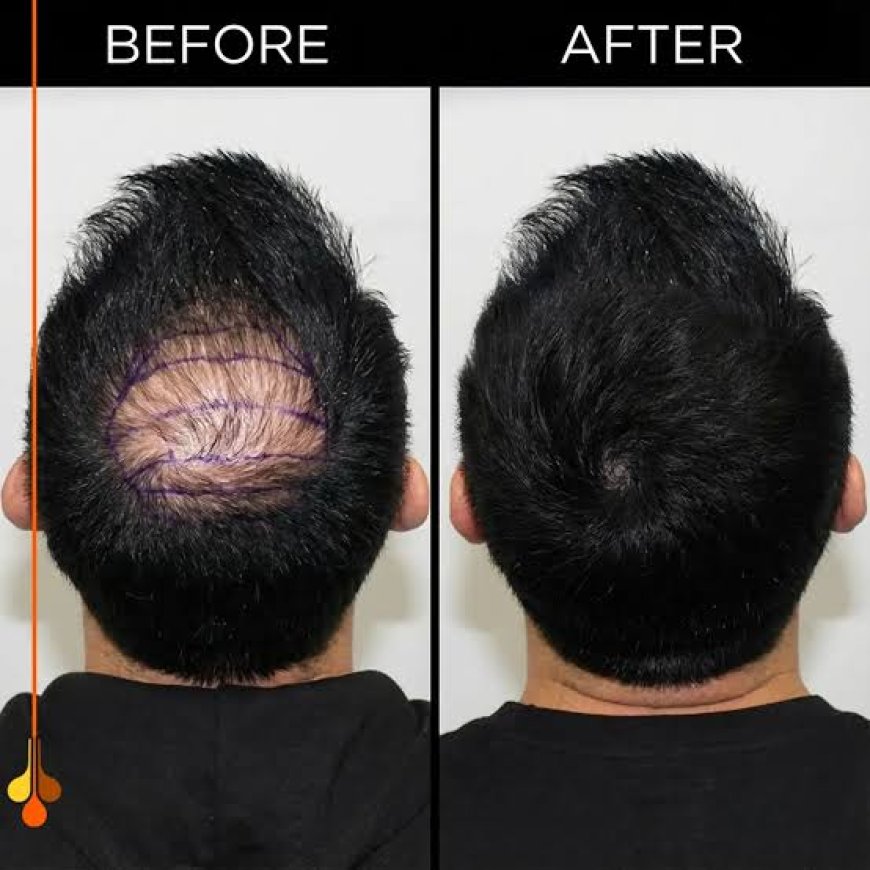
The crown is one of the most challenging areas in genetic baldness.
Challenges:
- Requires more grafts
- Whorl pattern makes coverage complex
- Often progresses continuously
Approach:
- Sometimes treated after the front area
- Moderate density rather than full coverage
- Focus on visual improvement instead of perfection
When Hair Transplant Is Most Effective
Hair transplant works best when:
- Hair loss pattern is stable
- Sufficient donor hair is available
- Bald areas are clearly defined
- Patient understands long-term progression
Early or unpredictable hair loss may require medical treatment first.
Combining Treatments for Genetic Hair Loss
In many cases, surgery alone is not enough.
Common combination approaches:
- Medications to slow further loss
- PRP therapy to strengthen existing hair
- Hair transplant for permanent restoration
This combined strategy improves long-term outcomes.
Limitations of Hair Transplant in Genetic Baldness
While effective, hair transplant has limits:
- Cannot restore full original density
- Cannot stop future genetic hair loss
- Limited by donor supply
- May require future sessions
Understanding these limitations ensures realistic expectations.
Long-Term Outlook
After a successful hair transplant:
- Transplanted hair is permanent
- It continues to grow naturally
- Regular grooming is possible
- Future planning may still be needed for untreated areas
Genetic baldness may continue, but transplanted hair remains stable.
Conclusion
Hair transplant surgery is one of the most effective solutions for genetic baldness patterns in both men and women. It works by relocating permanent, non-balding hair to areas affected by genetic loss.
However, success depends on proper diagnosis, pattern recognition, and long-term planning rather than simply filling bald areas.
What's Your Reaction?
 Like
0
Like
0
 Dislike
0
Dislike
0
 Love
0
Love
0
 Funny
0
Funny
0
 Angry
0
Angry
0
 Sad
0
Sad
0
 Wow
0
Wow
0