








Hair Transplant in India: A Practical Guide for International Patients
Learn about Hair Transplant in India, including FUE, FUT and DHI techniques, candidacy, preparation, recovery, costs, and international patient support by HealthRoop.

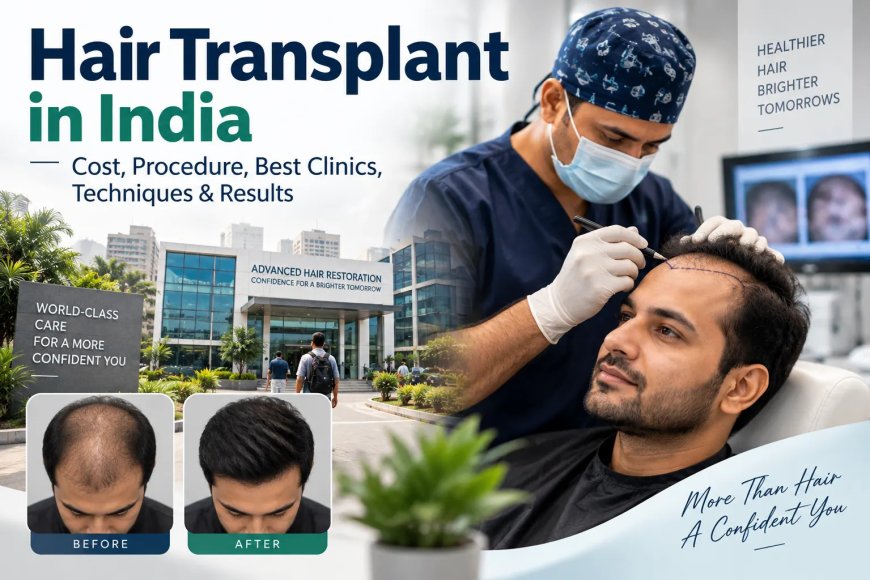
Hair loss can gradually change a person's appearance and may affect confidence in social and professional situations. While temporary hair shedding can sometimes improve with appropriate treatment, permanent thinning and pattern hair loss may lead some people to consider hair restoration procedures.
India has become a popular destination for patients seeking cosmetic and medical procedures, including hair restoration. However, travelling abroad for treatment requires careful planning. Patients should understand the cause of their hair loss, available transplant techniques, expected recovery, treatment costs, and follow-up requirements before making a decision.
For patients considering a Hair Transplant in India, HealthRoop provides medical travel coordination and support for international patients. The company can help with specialist consultation coordination, clinic communication, treatment planning, and practical travel arrangements.
Understanding Hair Loss Before Choosing a Transplant
Hair loss does not have one universal cause. Genetics, age, hormonal changes, nutritional deficiencies, scalp conditions, certain medications, and other factors can contribute to thinning.
A hair transplant is generally considered for specific types of permanent hair loss. Before recommending a procedure, a specialist may examine the scalp and evaluate the patient's hair-loss pattern.
The consultation may consider:
- Current hair density
- Hairline position
- Donor hair availability
- Pattern and progression of hair loss
- Scalp condition
- Family history
- Previous treatments
- General health
- Patient expectations
This assessment helps determine whether transplantation is appropriate and what type of approach may be suitable.
What Does a Hair Transplant Involve?
Hair transplantation involves moving hair follicles from a donor area to areas where hair has become thinner.
The donor area is commonly located at the back or sides of the scalp. The follicles are collected and then placed into carefully planned recipient areas.
The objective is to create a natural appearance by considering hair direction, angle, density, and the patient's existing hair.
The number of grafts required differs from person to person. Someone with mild recession may need a very different treatment plan from a person with extensive hair loss.
Different Hair Restoration Techniques
Several techniques may be available depending on the patient's needs.
FUE Hair Transplant
Follicular Unit Extraction, or FUE, involves extracting individual follicular units from the donor area.
The grafts are then prepared and implanted into the selected areas of the scalp.
FUE is widely used in hair restoration, but the suitability of the procedure depends on the patient's donor supply and other individual factors.
FUT Hair Transplant
Follicular Unit Transplantation involves removing a strip of tissue from the donor area and separating it into individual grafts.
The extracted grafts are subsequently transplanted into the recipient area.
A specialist may recommend FUT in particular situations depending on the patient's characteristics and treatment objectives.
DHI Hair Transplant
Direct Hair Implantation is another hair restoration approach that uses specialised implantation instruments.
The appropriate method should be selected after an assessment rather than simply choosing a technique because it is marketed as newer or more advanced.
Designing a Natural-Looking Hairline
Hairline design is an important part of transplantation.
A hairline that is placed too low may not look natural as the patient ages, while a poorly designed hairline may not complement the person's facial structure.
Specialists may consider:
- Facial proportions
- Age
- Existing hairline
- Hair density
- Donor availability
- Future hair-loss patterns
The aim is generally to create a result that blends with the patient's existing hair.
Why Donor Hair Matters
The donor area is one of the most important factors in determining whether transplantation is suitable.
Patients have a finite supply of hair follicles available for transplantation. A specialist therefore needs to assess donor density and quality before planning the procedure.
Using too many grafts in one session may not always be appropriate. A carefully planned procedure can help preserve the donor area for potential future needs.
Consultation Before Travelling to India
International patients can often begin the process remotely by sharing photographs and medical information with a clinic or specialist.
However, an online assessment may not provide all the information needed for a final treatment decision.
An in-person examination allows the specialist to evaluate the scalp, donor region, hair density, and other factors more accurately.
Patients should therefore understand that the final treatment plan may be confirmed only after an in-person consultation.
Preparing Your Medical Information
Before travelling, patients should prepare information about previous hair-loss treatments and relevant medical history.
They should inform the doctor about medications, allergies, previous procedures, and existing medical conditions.
Clear communication is particularly important when treatment is being arranged from another country.
What Happens on the Day of Treatment?
The exact process depends on the selected technique and the clinic's protocol.
Generally, the donor area and recipient area are prepared before graft extraction and implantation.
The procedure may take several hours, particularly when a larger number of grafts is required.
Patients should discuss the expected duration with the clinic before scheduling travel and accommodation.
Recovery After Hair Transplantation
The scalp may appear red or swollen after the procedure, and small crusts can develop around the transplanted grafts.
These effects generally form part of the early healing process, but every patient responds differently.
The clinic may provide instructions regarding:
- Washing the scalp
- Sleeping position
- Physical activity
- Sun exposure
- Hair products
- Medication
- Follow-up visits
Patients should follow the specific instructions given by their treating professional.
Hair Growth Takes Time
One of the most important things for patients to understand is that hair restoration is a gradual process.
The transplanted follicles need time to progress through their normal growth cycle. Patients should not expect the final appearance immediately after the procedure.
Visible improvement develops progressively, and the timeline can differ between individuals.
The patient's hair characteristics, treatment area, graft quality, and biological response can all influence the outcome.
Who May Not Be a Suitable Candidate?
Not everyone experiencing hair loss is automatically a candidate for transplantation.
A specialist may recommend another approach if the donor area is insufficient, the pattern of hair loss is still changing significantly, or an underlying scalp condition needs attention first.
In some situations, medical management may be recommended before transplantation.
A professional consultation is therefore an important first step.
Cost of Hair Transplantation in India
Treatment costs can differ considerably between clinics and patients.
The total price may depend on:
- Number of grafts
- Selected technique
- Clinic
- Specialist's experience
- Extent of hair loss
- Additional treatment requirements
- Follow-up services
International patients should ask for a clear estimate before travelling.
They should also consider expenses outside the clinic, including flights, accommodation, local transportation, meals, visa costs, and time away from work.
Choosing the Right Clinic
Price should not be the only factor when selecting a hair transplant clinic.
Patients can research:
- Doctor's qualifications
- Experience with similar cases
- Clinic facilities
- Hygiene standards
- Treatment technique
- Patient assessment process
- Follow-up arrangements
- International patient support
Patients should also be cautious about unrealistic promises regarding guaranteed results.
Planning a Medical Trip
International patients should organise their journey well in advance.
Important arrangements may include passport and visa documentation, consultation appointments, treatment schedules, accommodation, transportation, and follow-up visits.
It is advisable to leave enough time in the itinerary for post-procedure review rather than planning an immediate return flight.
Follow-Up After Treatment
Aftercare is an important part of the transplantation process.
Patients should understand how the clinic will monitor their recovery and what instructions they should follow once they return home.
Before leaving India, they can request:
- Treatment summary
- Aftercare instructions
- Medication details
- Follow-up schedule
- Clinic contact information
Having these details can make continued care more organised.
How HealthRoop Supports International Patients
Travelling to another country for hair restoration can involve several practical challenges. Patients may need to coordinate consultations, communicate with clinics, arrange travel, and understand treatment-related information.
HealthRoop provides medical travel coordination support for international patients considering healthcare in India.
For patients interested in a Hair Transplant in India, HealthRoop can assist with specialist consultation coordination, communication with healthcare providers, treatment-related arrangements, and travel planning.
HealthRoop's role is focused on coordination and patient support. Medical diagnosis, treatment recommendations, procedure selection, and clinical care remain the responsibility of qualified healthcare professionals.
Questions to Ask Before Booking
Before confirming a hair transplant, patients should ask the clinic:
- Am I a suitable candidate for transplantation?
- What is the likely cause of my hair loss?
- Which technique is recommended and why?
- Approximately how many grafts may be required?
- How will the hairline be designed?
- What are the potential risks?
- How long does the procedure take?
- What aftercare will I need?
- How long should I remain in India?
- How will follow-up be managed after returning home?
Getting clear answers can help patients make a more informed choice.
Final Thoughts
A Hair Transplant in India can be an option for selected patients with certain types of hair loss. However, the decision should begin with an appropriate assessment rather than simply comparing prices or promotional offers.
Understanding the cause of hair loss, evaluating donor hair, selecting an appropriate technique, choosing a qualified professional, and preparing for aftercare are all important steps.
For international patients, HealthRoop can provide coordination support throughout the medical travel process, helping with consultations, healthcare communication, treatment arrangements, and practical travel planning.
Medical Disclaimer: This article is for general educational purposes only and does not replace professional medical advice. Hair transplantation is not suitable for everyone, and treatment decisions should be made following an assessment by a qualified hair restoration specialist.
What's Your Reaction?
 Like
0
 Dislike
0
 Love
0
 Funny
0
 Angry
0
 Sad
0
 Wow
0