















HIV Test in Dubai: Who Should Consider HIV Testing?
Learn who may consider an HIV Test in Dubai, including people after possible exposure, those with sexual health concerns, and people seeking routine screening.

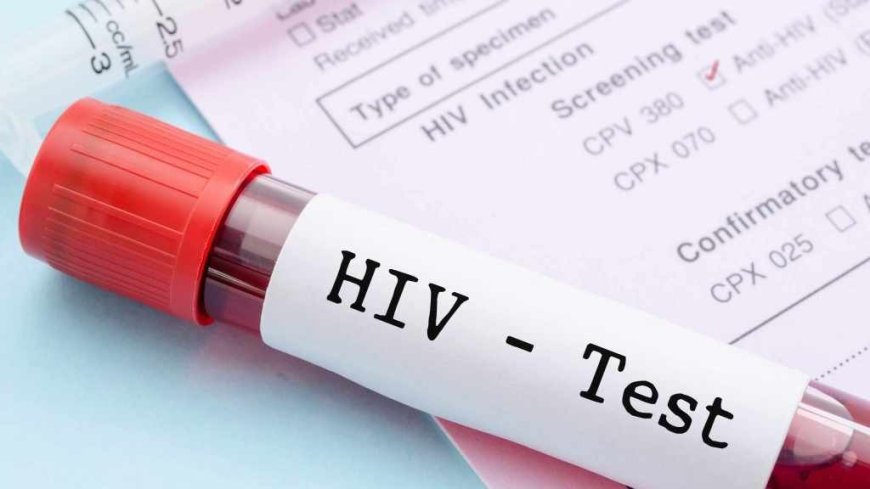
An HIV Test in Dubai can help determine whether HIV infection is present, even when a person does not notice any symptoms. HIV testing may be considered by people who have experienced a possible exposure, are concerned about their sexual health, or have been advised to test by a healthcare professional. An STD Test in Dubai may also be considered when someone wants broader screening for sexually transmitted infections.
HIV can sometimes remain without noticeable symptoms for a long period, so waiting for signs of illness is not a reliable way to determine HIV status. Testing provides specific information about whether the virus has been detected by the test used.
People Concerned About a Recent Exposure
Anyone who believes they may have experienced a potential HIV exposure can discuss testing with a healthcare professional. The timing of the exposure is particularly important because different HIV tests have different detection windows.
Testing immediately after an exposure may not detect an infection that occurred very recently. A healthcare provider can explain which testing approach may be appropriate and whether repeat testing could be needed.
If the possible exposure was very recent, seeking medical advice promptly is important because some time-sensitive options may be relevant depending on the circumstances.
People Who Have Had Unprotected Sex
People who have had sex without a condom or another barrier may consider HIV testing, particularly when they do not know their partner's HIV status or have concerns about a possible exposure.
Not every unprotected sexual encounter results in HIV transmission, but testing can provide information about infection status. The type of exposure, timing, and other factors can affect the level of risk and the recommended testing approach.
A healthcare professional can discuss these factors confidentially and explain whether HIV screening or additional sexual health testing may be appropriate.
People With Multiple or New Sexual Partners
People who have new or multiple sexual partners may consider regular sexual health screening as part of their healthcare routine. HIV testing can be performed alongside screening for other sexually transmitted infections when appropriate.
An STD Test in Dubai may include different tests depending on a person's circumstances. HIV is one infection that can be screened for, while other infections may require urine, blood, swab, or other testing methods.
Regular screening can be particularly useful when a person's sexual circumstances change or when recommended by a healthcare professional.
People Who Want Routine Sexual Health Screening
HIV testing does not always need to be connected to symptoms or a specific suspected exposure. Some people choose routine screening as part of their overall sexual health care.
Routine testing can be useful because HIV may not cause obvious symptoms during some stages of infection. A person may therefore have no reason to suspect HIV based on how they feel alone.
Discussing personal circumstances with a healthcare provider can help determine whether routine screening is appropriate and how frequently testing may be considered.
People Whose Partner Has HIV
A person whose sexual partner has HIV may wish to discuss testing and prevention with a healthcare professional. The circumstances surrounding transmission risk can vary, and modern HIV treatment and prevention strategies have an important role in sexual health.
Testing can help establish a person's current HIV status. A healthcare professional can also explain prevention options and whether additional testing or follow-up is appropriate.
It is important to discuss individual circumstances rather than making assumptions based solely on a partner's diagnosis.
People With Another Sexually Transmitted Infection
People diagnosed with another sexually transmitted infection may be advised to consider HIV testing as part of broader sexual health evaluation.
Different STIs can occur at the same time, and testing for one infection does not automatically test for all others. Depending on the situation, an STD Test in Dubai may involve several separate screening methods.
If you have recently been diagnosed with an STI, ask your healthcare provider whether HIV testing and other screening would be appropriate.
People Who Are Pregnant
HIV testing may also form part of recommended healthcare during pregnancy. Identifying HIV during pregnancy can allow appropriate medical care and treatment planning.
Pregnant individuals should discuss HIV screening with their healthcare professional as part of prenatal care. Testing recommendations can vary according to healthcare guidelines and individual circumstances.
Early identification of HIV can be medically important because appropriate treatment and clinical management can substantially reduce the risk of transmission to the baby.
People Who Have Shared Needles or Injection Equipment
Sharing needles, syringes, or other injection equipment can create a potential route for HIV transmission. People who have experienced this type of exposure should discuss HIV testing with a healthcare professional.
The timing of the exposure should be explained because it can influence when testing is most informative. A healthcare professional can also discuss other infections that may be relevant to the exposure.
Testing should be approached without judgment. Accurate information about the exposure helps healthcare providers give more appropriate guidance.
People Who Have Symptoms That Concern Them
Certain illnesses or symptoms can occur in people with HIV, but symptoms alone cannot confirm or exclude HIV infection. Many other conditions can cause similar symptoms.
Someone experiencing unexplained symptoms alongside a possible exposure should speak with a healthcare professional rather than trying to diagnose HIV based on symptoms alone.
An appropriate HIV test can provide more useful information than relying on physical signs.
People Who Are Unsure About Their HIV Status
Sometimes a person may not remember a specific exposure or may simply feel uncertain about their HIV status. In these situations, discussing testing with a healthcare provider can help clarify whether screening is appropriate.
There is no need to wait until symptoms appear before asking about testing. The healthcare professional can review relevant circumstances and explain available testing methods.
If testing is recommended, understanding the window period can help ensure the result is interpreted correctly.
When Should You Test After a Possible Exposure?
The appropriate timing depends on the type of HIV test and when the potential exposure occurred. Different tests detect HIV markers at different stages.
A test performed very soon after exposure may not be able to detect a recent infection. For this reason, a healthcare provider may recommend testing at a particular time and, in some situations, repeating the test later.
If you believe an exposure occurred recently, provide the healthcare professional with the date or approximate timing. This information can be important when planning testing.
What If Your Test Is Negative?
A negative HIV result means the test did not detect HIV according to the test's capabilities at the time it was performed. However, the meaning of a negative result depends partly on when testing occurred.
If the test was taken during the window period, repeat testing may be recommended. If the test was taken at an appropriate time and according to the recommended testing procedure, the result can provide more meaningful information.
Always discuss an unexpected or uncertain result with a qualified healthcare professional.
What If Your Screening Result Is Reactive?
A reactive screening result does not necessarily mean that HIV infection has been confirmed. Additional testing is generally required to establish a diagnosis.
If a screening test is reactive, the healthcare provider can explain the next steps and arrange appropriate follow-up testing. Avoid interpreting a preliminary result without professional guidance.
Confirmatory testing is an important part of the diagnostic process because screening tests and confirmatory tests have different roles.
Final Thoughts
HIV testing may be appropriate for people following a possible exposure, people seeking routine sexual health screening, individuals with certain risk factors, or anyone who wants to establish their HIV status. The decision and timing of testing depend on individual circumstances and the type of test available.
If you are considering an HIV Test in Dubai, speaking with a healthcare professional can help you understand the appropriate testing method, window period, result timing, and possible follow-up. When broader sexual health concerns exist, an STD Test in Dubai may also be discussed to determine whether additional screening is appropriate.
What's Your Reaction?
 Like
0
 Dislike
0
 Love
0
 Funny
0
 Angry
0
 Sad
0
 Wow
0





