












How Accurate Is a Chlamydia Test in Dubai?
Discover how accurate a chlamydia test can be, what affects test results, when to get tested after exposure, and how to understand your results.

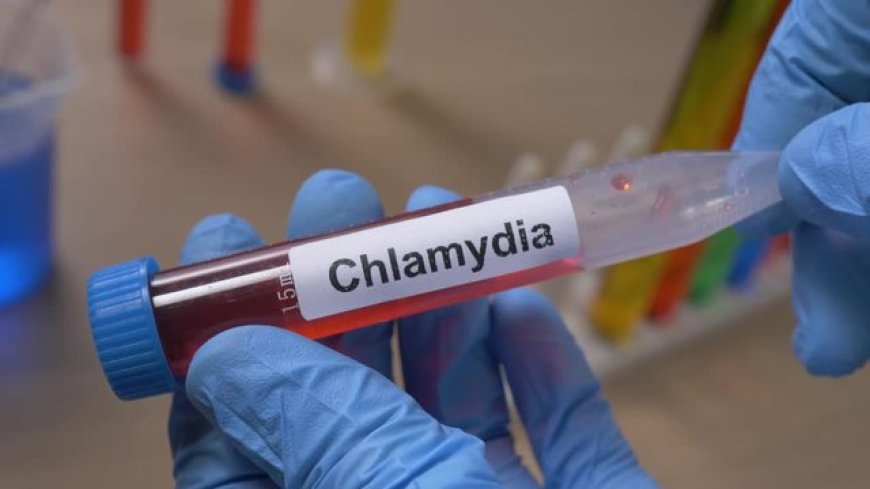
A Chlamydia Test in Dubai can help detect chlamydia, a common sexually transmitted infection that may cause health problems if left untreated. Modern laboratory tests are highly accurate when the correct sample is collected at the appropriate time. However, the reliability of a result can depend on the type of test, the location of the possible infection, and how soon testing takes place after exposure.
Many people with chlamydia do not experience noticeable symptoms. This makes testing an important part of sexual health care, particularly after unprotected sexual contact or when a partner has tested positive. Understanding how chlamydia testing works can help you make informed decisions about screening and follow-up.
Which Chlamydia Test Is Most Accurate?
The nucleic acid amplification test, commonly known as NAAT, is the preferred method for detecting chlamydia in most routine screening situations. It identifies genetic material from the bacteria and can be performed on suitable urine or swab samples.
NAAT testing is generally highly sensitive and specific. Sensitivity refers to how well a test identifies people who have the infection, while specificity describes how well it identifies people who do not have it.
The accuracy of a Chlamydia Test in Dubai also depends on whether the appropriate sample is collected. For example, a urine test may be suitable for detecting genital infection, but it may not identify an infection located in the throat or rectum. Additional swabs may be necessary depending on the type of sexual contact.
What Factors Can Affect Chlamydia Test Accuracy?
Several factors can influence how reliable a test result is. Understanding these factors can help you avoid misinterpreting a negative or positive result.
Timing After Exposure
Testing too soon after possible exposure may produce a negative result even if an infection is developing. Chlamydia may not be detectable immediately, so the timing of screening matters.
If you test shortly after exposure, a healthcare professional may recommend repeating the test after an appropriate interval. The recommended timing can vary depending on the circumstances and the test used.
Sample Collection Method
The sample must be suitable for the type of test being performed. A urine sample, for instance, may need to be collected from the first part of the urine stream rather than as a midstream sample.
For swab testing, the correct anatomical site must be sampled. If you have had possible exposure involving the throat or rectum, mention this when arranging screening.
Recent Antibiotic Treatment
Antibiotics can affect the detection of an active infection. In addition, chlamydia NAAT tests may remain positive for a period after successful treatment because they can detect genetic material from bacteria that are no longer viable.
For this reason, follow-up testing should be timed according to medical advice rather than performed too soon after treatment.
Can a Chlamydia Test Give a False-Negative Result?
Yes. A false-negative result means the test reports that chlamydia was not detected even though the person has the infection.
This can happen when testing occurs too early, the sample is inadequate, or the test does not cover the infected area. For example, a urine test may not detect a separate throat or rectal infection.
If you have symptoms, a partner with a confirmed infection, or a strong reason to suspect exposure, do not rely solely on an early negative result. Discuss your situation with a healthcare professional, who can advise whether repeat testing or samples from additional sites are needed.
Can a Chlamydia Test Give a False-Positive Result?
False-positive results are possible, although modern NAAT methods are designed to provide reliable results. A positive result may require further clinical interpretation, especially if testing was performed soon after treatment.
A positive result does not establish when the infection was acquired or which partner transmitted it. Chlamydia can remain asymptomatic for a long time, so the result alone cannot determine when an infection began.
If your result is positive, speak with a healthcare professional about treatment, partner notification, and any additional screening that may be appropriate.
How Soon Should You Get Tested After Exposure?
The best time to test depends on when the exposure occurred and whether you have symptoms. A test performed immediately after sexual contact may be too early to detect a new infection.
If you have symptoms or your partner has tested positive, seek medical advice promptly instead of waiting for a particular date. A healthcare professional can recommend initial testing and explain whether a repeat test is needed if the first result is negative.
For people arranging a Chlamydia Test in Dubai, providing the date of possible exposure can help the healthcare professional advise on the most appropriate testing schedule.
Is a Urine Test as Accurate as a Swab Test?
Both urine and swab samples can provide accurate results when tested using an appropriate NAAT method. The best option depends on the site being tested and the person's circumstances.
A urine test is commonly used to detect genital chlamydia and is often convenient. A vaginal or cervical swab may be recommended in some situations, while rectal or throat swabs may be needed when those areas could have been exposed.
These methods are not interchangeable in every situation. The most accurate approach is to collect a suitable sample from the relevant site rather than assume one sample will detect every possible infection.
When Should You Repeat a Chlamydia Test?
Repeat testing may be recommended if your initial test was performed too soon after exposure, the sample was inadequate, or your healthcare professional suspects infection despite a negative result.
After treatment, routine retesting is commonly recommended around three months later because reinfection is relatively common. This is different from an early test to confirm treatment success. When a test of cure is specifically needed, the timing should be determined by a healthcare professional because testing too soon can produce a positive result from residual bacterial genetic material.
Following the recommended schedule helps reduce confusion and supports appropriate care.
Chlamydia Testing at Enfield STD Clinic
If you are considering a Chlamydia Test in Dubai, you can contact Enfield STD Clinic to ask about available testing options, appointment arrangements, sample collection instructions, and costs.
Before arranging screening, ask which diagnostic method is used and whether testing can cover the areas relevant to your possible exposure. You can also ask when results are expected and what follow-up guidance is available if the result is positive or unclear.
Providing accurate information about symptoms, recent exposure, and previous treatment can help the healthcare professional advise you on suitable next steps. If you have symptoms or a partner has tested positive, mention this when requesting an appointment.
How to Improve the Reliability of Your Test Results
You can help support reliable testing by following the laboratory's sample collection instructions, explaining when possible exposure occurred, and mentioning any recent antibiotic treatment.
Choose a testing method appropriate for the possible infection site, and avoid assuming that the absence of symptoms means you do not have chlamydia. If the result does not match your symptoms or exposure history, ask a healthcare professional whether repeat testing or additional samples are appropriate.
It is also important to follow treatment instructions and discuss partner testing when an infection is confirmed. These steps help reduce the risk of reinfection and support better sexual health outcomes.
Final Thoughts
Modern NAAT-based chlamydia tests are highly accurate when used correctly, but timing, sample quality, and the location of the possible infection can affect the result. An early negative result may not rule out infection, and testing too soon after treatment can sometimes lead to a misleading positive result.
A Chlamydia Test in Dubai can help identify infection and guide appropriate treatment. If you have had a possible exposure, developed symptoms, or have a partner who tested positive, seek professional advice about the right test and timing. Accurate testing, timely treatment, and appropriate follow-up can help protect your sexual health.
What's Your Reaction?
 Like
0
 Dislike
0
 Love
0
 Funny
0
 Angry
0
 Sad
0
 Wow
0