



















How fat cells are permanently removed in liposuction
How fat cells are permanently removed in liposuction

How Fat Cells Are Permanently Removed in Liposuction: A Complete Guide
Liposuction is one of the most effective cosmetic procedures for body contouring because it physically removes fat cells from specific areas of the body. Unlike diet and exercise, which only shrink fat cells, liposuction actually eliminates them.
Understanding how fat cells are permanently removed in liposuction helps explain why results can be long-lasting when patients maintain a stable lifestyle. Liposuction in Riyadh is a popular cosmetic procedure chosen by many people seeking effective body contouring and fat reduction with modern techniques.
What Are Fat Cells and Why Do They Matter?
Fat in the body is stored inside specialized cells called adipocytes (fat cells). These cells store energy in the form of fat and expand or shrink depending on calorie intake.
Key points about fat cells:
- The body has a fixed number of fat cells in adulthood
- They expand when you gain weight
- They shrink when you lose weight
- They do not naturally disappear through diet alone
This is why stubborn fat areas often remain even after weight loss.
How Liposuction Targets Fat Cells
Liposuction directly removes fat cells from the body using a mechanical process.
The basic steps include:
- Small incisions are made in the skin
- A thin tube called a cannula is inserted under the skin
- Fat cells are loosened from surrounding tissue
- A suction device removes the fat cells from the body
Once removed, these fat cells are permanently gone from that area.
Why Fat Cells Are Permanently Removed
Fat cells do not regenerate in adulthood in treated areas after liposuction. This is why results are long-lasting.
When fat cells are removed:
- The total number of fat cells in that area decreases
- The body cannot replace them in the same location
- Remaining fat cells can still grow, but fewer are present
This permanent reduction is what makes liposuction different from non-surgical fat loss methods.
What Happens to Fat Cells During the Procedure?
Different techniques remove fat cells in slightly different ways, but the end result is the same.
1. Traditional Liposuction
- Fat is mechanically broken up using the cannula
- It is suctioned out of the body directly
2. Tumescent Liposuction
- A fluid solution is injected to loosen fat
- Fat cells are gently suctioned out with less bleeding
3. Ultrasound-Assisted Liposuction (UAL)
- Ultrasound energy breaks fat cell membranes
- Fat becomes liquid before removal
4. Laser-Assisted Liposuction
- Laser energy melts fat cells
- Liquefied fat is removed through suction
In all methods, the fat cells are physically extracted from the body and do not return.
Are Fat Cells Really Gone Forever?
Yes, fat cells removed during liposuction are permanently eliminated from the treated area.
However, it is important to understand:
- The body still has fat cells in other areas
- Remaining fat cells in treated areas can still enlarge
- Significant weight gain can affect overall body shape
So while the removed cells do not come back, lifestyle still plays a major role in maintaining results.
What Happens If You Gain Weight After Liposuction?
If a patient gains weight after liposuction:
- Remaining fat cells in treated areas may expand slightly
- Untreated areas may gain more fat than treated ones
- Body shape may change, but not in the same pattern as before
For example, if abdominal fat cells were removed, weight gain may show more in the back, arms, or thighs instead.
Why Results Look Permanent and Contoured
Liposuction results are long-lasting because:
- Fat cell numbers are reduced in targeted areas
- The body has fewer storage “spaces” for fat in those zones
- Contours are reshaped based on removal patterns
This creates a more sculpted and proportional appearance.
Limits of Fat Cell Removal
Even though liposuction removes fat cells permanently, there are limits:
- It does not prevent future weight gain
- It does not stop fat storage in untreated areas
- It does not replace a healthy lifestyle
Liposuction is a body contouring tool, not a metabolic treatment.
What Determines Long-Term Success?
Long-term results depend on:
1. Stable Weight
Avoiding major weight fluctuations helps maintain shape.
2. Healthy Diet
Balanced nutrition prevents remaining fat cells from expanding.
3. Regular Exercise
Helps maintain muscle tone and metabolic health.
4. Proper Procedure Technique
Experienced surgeons create balanced fat removal patterns.
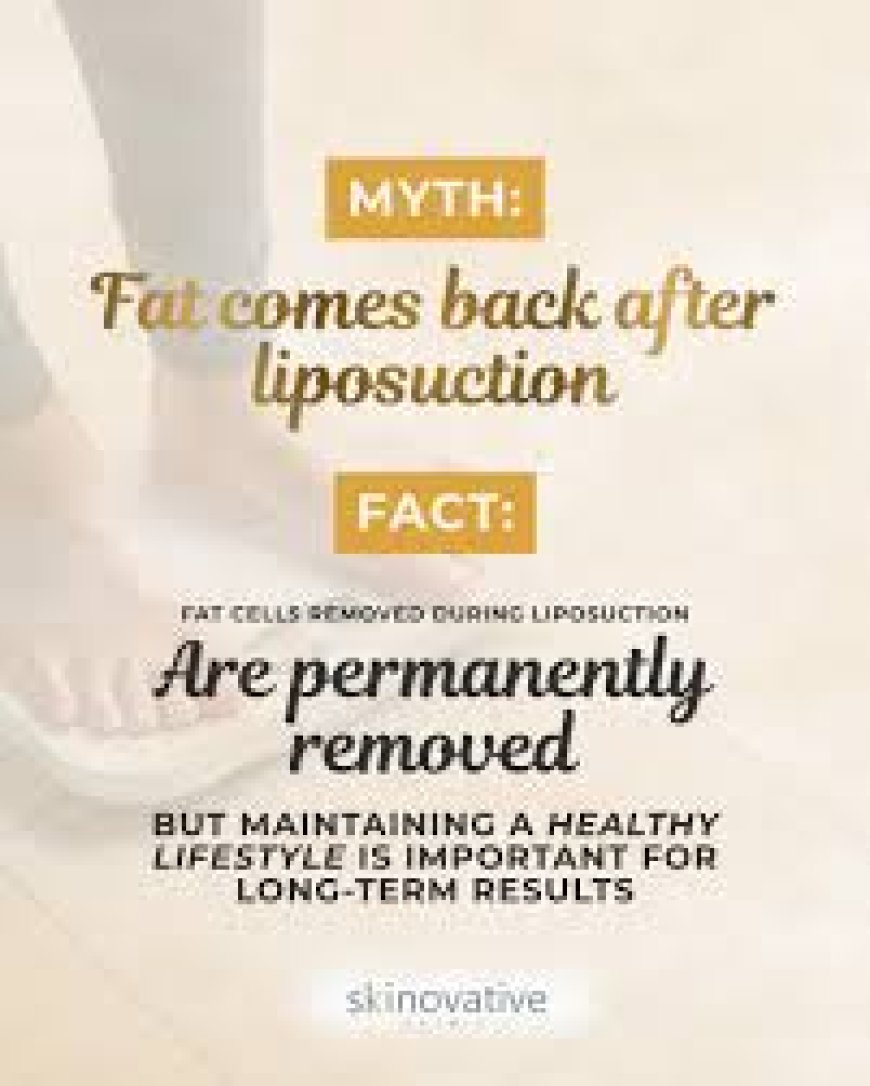
Myth: Fat Cells Can Grow Back After Liposuction
This is a common misconception.
Truth:
- Removed fat cells do not grow back
- New fat cells are not typically created in adults
- Changes in body size come from expansion of remaining fat cells
So, while the shape can change with weight gain, the treated area will always have fewer fat cells than before.
Why Liposuction Is Effective for Stubborn Fat
Certain areas of the body store fat that is resistant to:
- Diet
- Exercise
- Lifestyle changes
These include:
- Abdomen
- Waist (love handles)
- Thighs
- Upper arms
- Chin and neck
Liposuction works because it physically removes fat cells from these resistant areas.
Final Thoughts
Fat cells are permanently removed in liposuction because the procedure physically extracts them from the body. Once removed, these cells do not return, making the results long-lasting when a stable weight is maintained.
However, liposuction does not stop the body from gaining weight in remaining fat cells, which is why lifestyle habits are essential for preserving results.
Understanding how fat cells are permanently removed in liposuction helps patients appreciate both the power and limitations of the procedure. It is a highly effective body contouring method, but long-term success depends on maintaining a balanced and healthy lifestyle.
What's Your Reaction?
 Like
0
Like
0
 Dislike
0
Dislike
0
 Love
0
Love
0
 Funny
0
Funny
0
 Angry
0
Angry
0
 Sad
0
Sad
0
 Wow
0
Wow
0