





















How Modern Paint Protection Compares to Traditional Vehicle Treatments

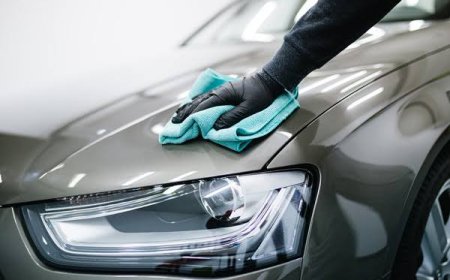
Walk into any car shop and you’ll see shelves full of promises. “Ultra gloss.” “Showroom shine.” “Six months protection.” Most of its rubbish if we’re being honest. I’ve wasted hundreds on products that looked good going on then vanished after two rainy commutes. The problem isn’t that these things are fake. It’s that most drivers don’t understand what they’re actually buying. There’s a whole world of difference between a natural paste that gives you warmth and depth versus a lab-made sealant that actually fights back against the elements. And here’s the thing most people miss. That expensive bottle of imported carnauba? It’s melting off your bonnet right now if the sun’s been out. Meanwhile your neighbour with the boring family hatchback who uses a cheap synthetic sealant? His paint is still beading after two months. Makes you think, doesn’t it.

What The Hell Is Synthetic Wax Anyway
Let me break it down simple because the marketing guys love making this confusing. A car synthetic wax isn’t really wax at all. It’s a polymer sealant. Think of it like a clear plastic coating that bonds to your paint instead of just sitting on top. Natural wax comes from plants. It’s oily, it smells nice, and it looks incredible for about three weeks. Synthetic comes from a lab. It doesn’t smell like coconuts or whatever, but it sticks around way longer. The first time I tried one I was sceptical. Application felt weird, almost slippery like I was doing something wrong. But after a month of daily driving, through rain and dust and that horrible morning dew we get, the water was still beading tight. My natural wax would’ve been long gone by then. The trade off is appearance. Synthetic doesn’t give you that deep warm glow. Looks almost sterile to some eyes. But if you drive a car that actually leaves the driveway, durability beats pretty almost every time.
Why Your Paint Keeps Letting You Down
You ever notice how some cars always look clean even when they’re dirty? That’s not luck. That’s a good protective layer doing its job. Most people skip the prep work then blame the product when things go wrong. Here’s what actually happens. Your paint has pores, microscopic little pits and valleys, plus it picks up embedded contaminants from the air. Brake dust, industrial fallout, tree sap. If you slap any wax or sealant on top of that dirty surface, it’s like painting over a wall covered in grease. Nothing bonds properly. That’s where professional car detailing services earn their money. A proper detailer won’t just wash your car. They’ll decontaminate it with chemical sprays and clay bars. They’ll strip every trace of old wax and grime. Then and only then will they apply a protective layer. You can do this at home too but you need patience. Clay barring an entire car takes over an hour. Most people give up after doing the bonnet. Can’t blame them. It’s boring work. But it’s also the difference between two weeks of protection and three months of protection.
Heat Is The Silent Killer You Didn’t See Coming
Nobody talks about this enough. Natural wax melts. Not like candle wax dripping off your car, but it softens and evaporates slowly. Park your car in direct sunlight on a warm day, which yes we do get sometimes, and the surface temperature of your bonnet can hit sixty degrees or more. That heat breaks down the molecular structure of natural wax. It gets thin, runs into your panel gaps, or just burns off into the air. A decent car synthetic wax laughs at heat. These polymers are engineered to stay stable way past what your paint will ever experience. I did a test last summer. Two identical panels on a south-facing wall. One with a high end natural wax, one with a mid-range synthetic. Checked them every week. The natural panel lost most of its water behaviour after ten days. The synthetic panel was still going strong at week six. That’s not opinion. That’s just physics. So if your car ever sees sunlight, even just a few hours while you’re at work, synthetic is the smarter choice.
How To Actually Apply This Stuff Without Messing It Up
Right, here’s where most people go wrong. They watch a five minute YouTube video, grab a microfiber, and go to town. Then they end up with streaks, high spots, and patchy protection. Applying a car synthetic wax is actually easier than natural wax but the rules are different. First, you need a perfectly clean surface. Not just washed, but chemically clean. That means using a panel wipe or an IPA solution after washing. Second, you apply it thin. Ridiculously thin. Like you’re spreading butter on toast and you only have one tiny pat. Most people use way too much product, which makes buffing a nightmare and leaves oily residue. Third, don’t let it dry too long. Natural wax needs to haze up. Synthetic usually only needs a few minutes before buffing. Read the instructions on your specific bottle because they’re all slightly different. And here’s a pro tip I learned the hard way. Work in small sections. Do one panel at a time. If you apply synthetic to the whole car then go back to buff, some areas will have dried too much and become stubborn to remove.
How Long Before You Have To Do It Again
The bottles love making big claims. “Twelve months protection.” “Two year durability.” That’s marketing nonsense under perfect lab conditions with no rain, no bird poop, and no road salt. Real world? A decent synthetic sealant on a daily driver will give you somewhere between three to five months of solid protection. I’ve pushed one to six months once but honestly by month four the water behaviour was getting lazy and by month five it was basically gone. If you park outside, live near the coast, or drive on salted winter roads, knock a month off those numbers. If you garage the car and wash it carefully using pH neutral shampoo, you might get closer to six. The best approach is simple. Reapply every three months. Mark it on your phone calendar. Treat it like changing your oil. Don’t wait until your paint feels rough or water stops beading because by then you’ve already been unprotected for weeks.
Cheap Bottles Versus The Expensive Stuff – What’s The Real Difference
I’ve used synthetic sealants that cost twelve euro. I’ve used ones that cost eighty. The difference isn’t always what you think. Cheap ones tend to be thinner in consistency, harder to spread evenly, and they sometimes leave streaks if the temperature isn’t perfect. Expensive ones usually have better flow characteristics, maybe add ceramic particles for extra hardness, and come in nicer bottles with better sprayers. But here’s the thing. I’ve had a cheap sealant outperform an expensive one because the cheap one was designed specifically for daily drivers while the expensive one was aimed at show cars. So don’t just look at the price tag. Read reviews from normal people, not sponsored YouTubers. And here’s another angle. Professional car detailing services often use bulk products that cost them way less per application than what you’d pay retail. That’s part of why their prices seem high. They’re not just charging for labour. They’re using commercial grade stuff you can’t easily buy yourself. If you really want the best of both worlds, ask your local detailer if they’ll sell you a small amount of their preferred synthetic sealant. Many will. And you’ll get pro-level protection without buying a whole bottle you might not like.

Mistakes That’ll Ruin Your Hard Work In One Wash
Let me save you some pain. Biggest mistake I see is washing your car with dish soap after applying synthetic wax. Dish soap strips everything. It’s designed to cut through grease and it doesn’t care whether that grease is on a plate or on your paint. Use a proper car shampoo that’s pH neutral. Second mistake is taking your car through an automatic car wash with those spinning brushes. Those things will scratch your clearcoat and physically abrade your protective layer. If you must use an automatic wash, find a touchless one that just sprays soap and water. Third mistake is applying synthetic over old natural wax. They don’t bond. You have to strip everything off first using a dedicated wax remover or a strong panel wipe. And here’s a weird one I learned recently. Some quick detailers and spray waxes contain silicone or other additives that leave a film. If you use those as a drying aid between proper waxing sessions, that film can build up and stop your next synthetic application from bonding. So stick to simple stuff. A clean microfiber and plain water for drying. Save the fancy sprays for special occasions.
Can You Get Pro Results At Home Without The Pro Price
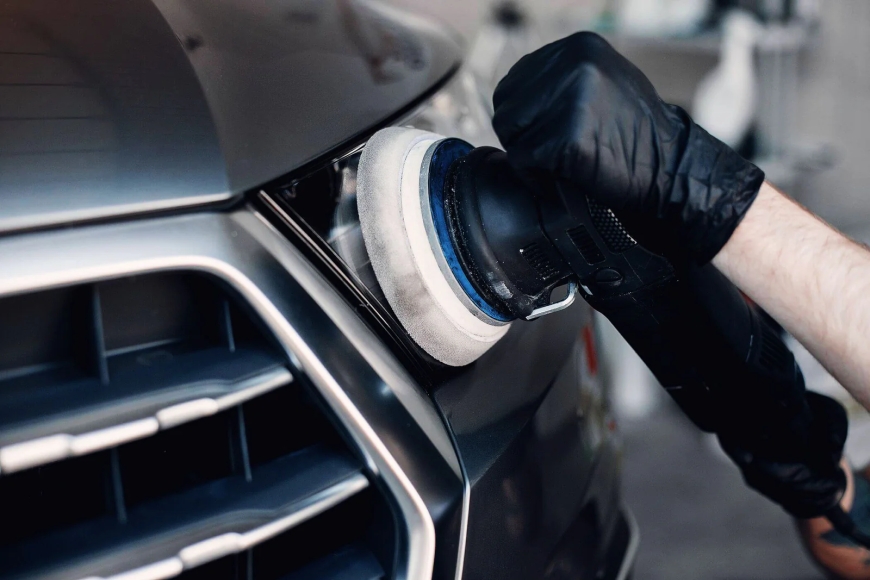
Honestly? Yes and no. You can buy the same products. You can follow the same steps. But professional car detailing services have things you don’t. Good lighting that reveals every imperfection. A dust free workspace. Experience that comes from doing this hundreds of times. And tools like dual action polishers that cost more than your monthly car payment. That said, you can get about eighty percent of the way there with hand application and some patience. The key is taking your time and not skipping steps. Wash thoroughly. Decontaminate if your paint feels rough. Use an IPA wipe before applying your car synthetic wax. Apply thin. Buff properly. Then stand back and admire. Will it look perfect under a bright garage light? Probably not. Will it look great from five feet away in normal daylight? Absolutely. For most people, that’s good enough. But if you own a car you truly love, or if you’re planning to sell soon and want top dollar, paying a pro once or twice a year is money well spent. They’ll correct the paint first, removing swirl marks and light scratches, then lock in that finish with a high quality synthetic sealant. You can’t replicate that with just a microfiber and good intentions.
Conclusion
Look, I’m not here to tell you natural wax is garbage. It still has a place on garage queens, classic cars, and anyone who genuinely enjoys the ritual of buffing and reapplying every few weeks. But for the rest of us? The people who drive every day, park outside, and don’t want to think about paint protection constantly? A car synthetic wax is just the smarter tool for the job. It lasts longer, handles heat better, and bonds stronger than anything that comes from a plant. You don’t need to spend a fortune either. A mid-range bottle from a reputable brand will do exactly what you need. Pair it with proper prep work, reapply every three months, and your paint will stay protected through rain, sun, salt, and everything else real life throws at it. And if that sounds like too much hassle? That’s what professional car detailing services exist for. Pay someone else to do the heavy lifting. Either way, stop reaching for whatever looks prettiest on the shelf. Do a little homework. Buy something that actually works. Your paint will thank you. Probably out loud if cars could talk.
What's Your Reaction?
 Like
0
Like
0
 Dislike
0
Dislike
0
 Love
0
Love
0
 Funny
0
Funny
0
 Angry
0
Angry
0
 Sad
0
Sad
0
 Wow
0
Wow
0