How to Use an Adjustable Gym Bench for Full-Body Strength Training

A well-designed home gym does not need dozens of machines to provide an effective workout. With the right equipment and a structured routine, you can train multiple muscle groups using just a few essential pieces of fitness equipment. One of the most versatile options is an Adjustable Gym Bench, which allows you to perform a wide range of strength-training exercises by changing the bench angle according to your workout requirements.
Whether you are a beginner building a home gym or an experienced fitness enthusiast looking to improve your strength routine, an adjustable bench can make your workouts more flexible and effective. From chest presses and shoulder exercises to rows, core movements, and leg exercises, the bench can support a variety of training styles.
What Is an Adjustable Gym Bench?
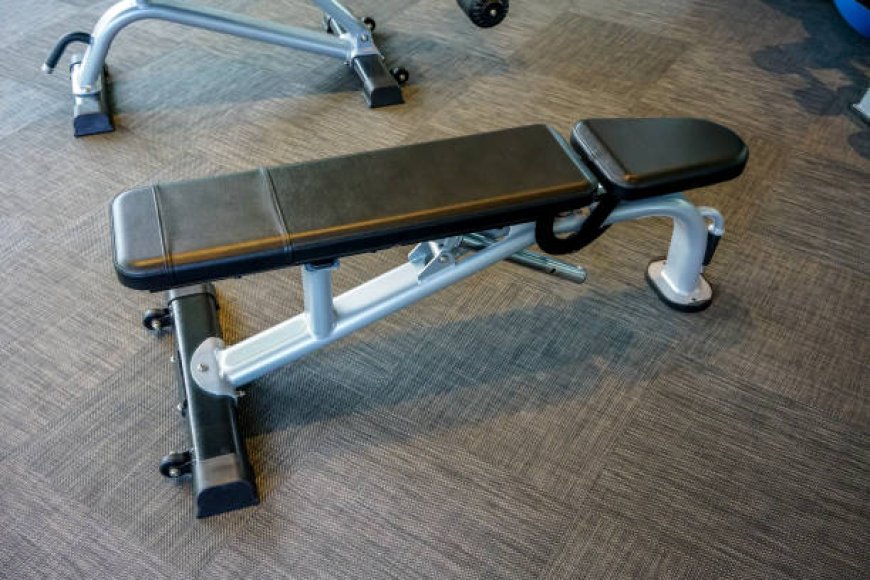
An adjustable gym bench is a strength-training bench designed with multiple adjustable positions. Unlike a flat bench, it can typically be positioned flat, inclined, or in some models, declined. These different angles allow you to change your body position and target muscles from different directions.
An Adjustable Gym Bench can be used with dumbbells, barbells, resistance bands, and other home-gym equipment. Its versatility makes it particularly useful for people who want to create a compact but functional strength-training space at home.
Before beginning your workout, always check that the adjustment mechanism is properly locked and that the bench is placed on a stable, level surface.
Benefits of Using an Adjustable Gym Bench
The biggest advantage of an adjustable bench is versatility. Instead of limiting your workout to a few movements, you can perform numerous exercises by changing the bench position.
1. Supports Different Exercises
A single bench can support exercises for your chest, shoulders, back, arms, core, and legs. This makes it easier to build a full-body workout without requiring a large collection of equipment.
2. Allows Multiple Training Angles
Changing the bench angle can alter the movement and muscle emphasis. For example, an incline position can be useful for incline dumbbell presses, while a flat position works well for conventional dumbbell presses.
3. Saves Space
For home workouts, space is often limited. An adjustable bench can replace the need for several specialized benches, making it a practical choice for a compact home gym.
4. Makes Workouts More Flexible
You can modify exercises based on your fitness level and training goals. Beginners can start with lighter weights and simple movements, while experienced users can gradually increase resistance.
Full-Body Exercises You Can Perform
An Adjustable Gym Bench can be incorporated into a complete strength-training routine. Below are several exercises that can help you train different muscle groups.
Chest: Dumbbell Bench Press
Set the bench in a flat position and sit with a dumbbell in each hand. Lie back while keeping the dumbbells controlled. Press the weights upward until your arms are extended without aggressively locking your elbows.
Lower the dumbbells slowly toward your chest and repeat.
Focus on controlled movement rather than simply lifting the heaviest possible weight. Keep your feet firmly planted on the floor throughout the exercise.
Upper Chest: Incline Dumbbell Press
Adjust the bench to a moderate incline. Hold a dumbbell in each hand and position them near your upper chest. Press the weights upward and slowly return them to the starting position.
The incline position changes the pressing angle and can add variety to your chest workout.
Shoulders: Seated Dumbbell Shoulder Press
Place the backrest in an upright or near-upright position. Sit comfortably with a dumbbell in each hand at shoulder level.
Press the dumbbells overhead while maintaining a stable posture. Slowly lower them back to shoulder height.
Avoid using excessive weight that causes you to arch your back or lose control.
Back: Supported Dumbbell Row
Set the bench at an appropriate incline and place one hand on the bench for support. Keep your back stable while holding a dumbbell with the opposite hand.
Pull the dumbbell toward your torso and squeeze your back muscles at the top of the movement. Lower the weight slowly and repeat before switching sides.
This variation can help provide additional support compared with unsupported rowing movements.
Arms: Seated Dumbbell Curls
Set the bench in a comfortable upright or inclined position. Sit with a dumbbell in each hand and keep your elbows close to your body.
Curl the dumbbells toward your shoulders while keeping the movement controlled. Slowly lower them and repeat.
For better results, avoid swinging your upper body to lift the weights.
Triceps: Overhead Dumbbell Extension
Sit on the bench with your back supported. Hold one dumbbell with both hands and position it above your head.
Bend your elbows to lower the weight behind your head, then extend your arms to return to the starting position.
Keep your elbows relatively stable during the movement and use a manageable weight.
Legs: Bulgarian Split Squat
An adjustable bench can also be useful for lower-body training. Stand a short distance in front of the bench and place one foot behind you on the bench.
Lower your body by bending the front knee while keeping your torso controlled. Push through the front foot to return to the starting position.
Perform your repetitions on one side before changing legs. Start with body weight before adding dumbbells if you are new to the exercise.
Core: Bench Leg Raises
Lie flat on the bench and hold the sides for stability. Keep your legs together and slowly raise them while maintaining control.
Lower your legs without allowing them to drop suddenly. This movement can be incorporated into a core-focused workout.
How to Build a Full-Body Routine
You do not need to perform every possible exercise in one session. A simple full-body workout can include one or two exercises for each major muscle group.
For example:
-
Dumbbell Bench Press: 3 sets
-
Seated Shoulder Press: 3 sets
-
Supported Dumbbell Row: 3 sets
-
Dumbbell Curls: 2–3 sets
-
Overhead Triceps Extension: 2–3 sets
-
Bulgarian Split Squats: 3 sets per leg
-
Bench Leg Raises: 2–3 sets
Beginners should prioritize proper technique and manageable resistance rather than trying to complete a high volume of exercises. Rest between sets as needed and allow your muscles adequate recovery time between demanding strength sessions.
Tips for Safe and Effective Training
Safety should always be a priority when using strength-training equipment. Before every workout, inspect the bench and make sure all adjustment points are secure.
Use the appropriate weight for your current fitness level and increase resistance gradually. Maintain controlled movements and avoid using momentum to complete repetitions.
A short warm-up before strength training can also help prepare your body for exercise. You can begin with light cardio, mobility movements, or lighter versions of your planned exercises.
If you experience sharp pain, stop the exercise rather than trying to work through it. Beginners who are unfamiliar with resistance training may also benefit from guidance from a qualified fitness professional.
Making the Most of Your Adjustable Gym Bench
The versatility of an Adjustable Gym Bench makes it a valuable addition to a home workout setup. Instead of using it for only one exercise, experiment with different safe bench positions and movements to create a varied training routine.
You can combine the bench with dumbbells for strength training or incorporate resistance bands and other equipment depending on your available space and fitness goals.
As your strength improves, you can gradually increase resistance, repetitions, or training volume. However, progression should be gradual and based on your ability to maintain good form.
Conclusion
An Adjustable Gym Bench can be one of the most useful pieces of equipment in a home gym. Its adjustable design allows you to perform exercises for your chest, shoulders, back, arms, legs, and core without needing multiple specialized machines.
By selecting appropriate exercises, maintaining proper technique, and progressively challenging your muscles, you can create an effective full-body strength-training routine at home. Whether you are just starting your fitness journey or looking to expand your existing workout setup, an adjustable bench offers the flexibility needed to keep your strength workouts practical, varied, and engaging.
What's Your Reaction?
 Like
0
 Dislike
0
 Love
0
 Funny
0
 Angry
0
 Sad
0
 Wow
0