























Hyaluronic Acid vs. Permanent Implants: What’s Right for You?


Hyaluronic Acid vs. Permanent Implants: What’s Right for You?
In the evolving field of cosmetic enhancement, Lip Enlargement in Riyadh has become a highly personalized process, requiring patients to carefully weigh the benefits and limitations of various materials. As we navigate the choices available in 2026, the debate between hyaluronic acid (HA) fillers and permanent surgical implants remains a central topic. While both approaches aim to enhance the fullness and shape of the lips, they differ fundamentally in their longevity, reversibility, and the nature of the recovery process. Understanding these differences is crucial for any individual looking to make an informed, long-term decision regarding their aesthetic path.
The Case for Hyaluronic Acid Fillers
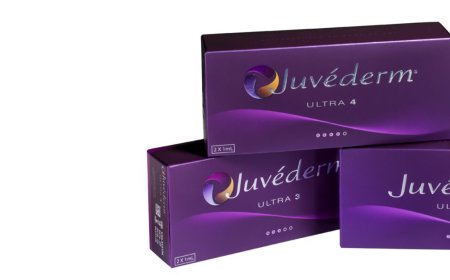
Hyaluronic acid fillers represent the current gold standard in modern aesthetics, favored for their balance of safety, predictability, and versatility. HA is a naturally occurring substance found within our skin, which means that high-quality, clinical-grade fillers are highly biocompatible and carry a low risk of adverse reaction.
The primary advantage of HA fillers is their temporary, customizable nature. Because these products are gradually metabolized by the body over time—typically lasting between six to twelve months—patients are not committed to a permanent change. This allows for an evolution of one’s look; as facial structures shift with age, practitioners can adjust the placement and volume of the filler in subsequent sessions to maintain harmony. Furthermore, HA fillers are uniquely "reversible." If a patient is unhappy with the final result, or if a complication arises, an enzyme called hyaluronidase can be injected to dissolve the filler almost immediately. This fail-safe mechanism provides a level of security that surgical procedures cannot offer.
The Reality of Permanent Implants
Permanent lip implants are a surgical alternative for those seeking a one-time procedure that provides a lasting change in volume. These implants are typically made from silicone or expanded polytetrafluoroethylene (ePTFE) and are surgically inserted into the lip through small incisions at the corners of the mouth.
The main draw of permanent implants is the elimination of the need for frequent, recurring appointments. Once the procedure is complete and the healing process is finished, the size of the lips remains stable without the need for periodic re-injections. However, this permanence is also the greatest risk factor. Should the patient’s aesthetic preference change, or if the lips begin to look disproportionate as the rest of the face ages, a second surgical procedure is required to remove or replace the implant. Additionally, permanent implants come with the inherent risks of any surgical intervention, including infection, scarring, implant migration, or the development of firmness and nodules. Because the material is foreign and non-degradable, it does not move or "give" exactly like natural lip tissue, which can sometimes result in a feeling of stiffness or an unnatural look during active facial expressions.
Comparing the Patient Experience
The patient experience differs significantly between these two paths. HA filler treatments are non-surgical, require no general anesthesia, and have minimal downtime. Most patients can return to their daily routines immediately, with only temporary, mild swelling. It is a "lunchtime" procedure that is integrated into a modern, busy lifestyle.
In contrast, permanent implants require a surgical environment. Even as a minor surgery, it involves recovery time, potential bruising, swelling, and the typical post-operative care associated with surgical incisions. The cost structure is also different: while implants represent a higher upfront investment, HA fillers require consistent, periodic maintenance. When deciding which is "right," one must consider not just the financial commitment, but the emotional and lifestyle implications of a permanent versus a modifiable aesthetic change.
Making an Informed Decision
Choosing the right option requires a candid assessment of your personal motivations. Are you looking to "test" a new look, or are you absolutely certain of the volume you want for the next decade? Most experts in Riyadh advocate for the "try-before-you-buy" approach, which utilizes HA fillers to simulate the desired volume and shape over a period of years. If, after several years of maintenance, a patient consistently finds that they want to maintain that level of volume permanently, they are then in a better position to consider surgical options.
Ultimately, the choice should be made in close consultation with a board-certified plastic surgeon or a highly qualified aesthetic consultant. They can examine your lip anatomy—such as the thickness of your skin, the presence of scar tissue, and the underlying muscular structure—to determine if your lips are physically suited to support an implant or if they would benefit more from the soft, hydrating, and precise nature of HA fillers. By prioritizing your long-term facial harmony and safety over the short-term convenience of a permanent fix, you ensure that your pout remains a beautiful, timeless asset that complements your evolving style and identity.
What's Your Reaction?
 Like
0
Like
0
 Dislike
0
Dislike
0
 Love
0
Love
0
 Funny
0
Funny
0
 Angry
0
Angry
0
 Sad
0
Sad
0
 Wow
0
Wow
0