Laser Cleaning Machine: A Modern Approach to Precision Surface Restoration
Surface preparation and restoration are essential processes across manufacturing, maintenance, automotive, construction, and metalworking industries

Surface preparation and restoration are essential processes across manufacturing, maintenance, automotive, construction, and metalworking industries. Traditional cleaning methods often involve abrasive materials, chemical solutions, or extensive manual labor. As industries look for more controlled and efficient production methods, laser technology has become an increasingly important option for surface treatment.
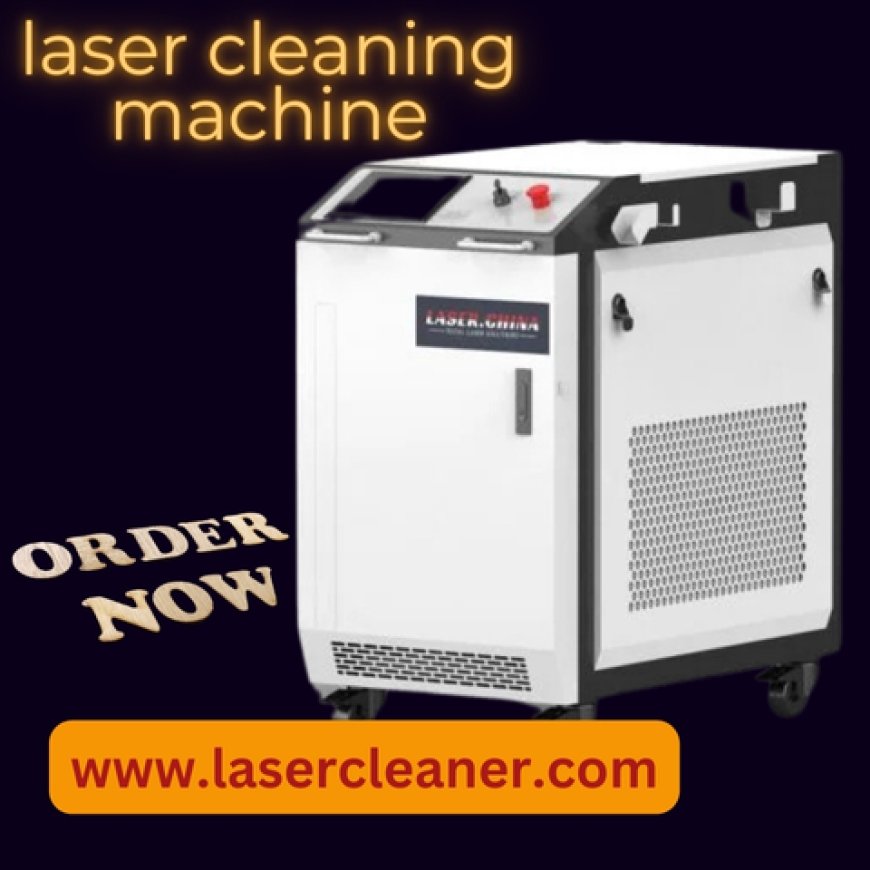
A laser cleaning machine uses concentrated laser energy to remove unwanted materials from a surface without requiring direct mechanical contact. Depending on the application, it can be used to remove rust, paint, oil, oxidation, dirt, coatings, and other contaminants from metals and selected industrial materials. Its controlled cleaning process makes it suitable for applications where surface condition and precision are important.
What Is a Laser Cleaning Machine?
A laser cleaning machine is an industrial system designed to remove contaminants from a target surface using a focused laser beam. Instead of using brushes, blasting media, or chemical agents, the machine directs laser energy toward the unwanted layer.
When the laser interacts with the contamination, the absorbed energy can cause the unwanted material to break apart, vaporize, or detach from the underlying surface. The operator can adjust the cleaning parameters according to the material, contamination type, and desired result.
Modern systems are available in different configurations, including handheld machines and automated laser cleaning systems. Handheld models are particularly useful for workshops and maintenance operations where operators need flexibility when working on different components.
How Does Laser Cleaning Work?
The cleaning process begins when the laser beam is directed toward the contaminated area. Different materials absorb laser energy at different rates. This allows the operator to select suitable parameters for removing the unwanted layer while maintaining control over the base material.
For example, when cleaning rust from a steel component, the laser can be adjusted to interact primarily with the oxidized layer. As the contaminated material absorbs the energy, it becomes detached from the surface.
The laser scanning pattern also plays an important role. Operators can control parameters such as laser power, scanning speed, frequency, and beam movement to achieve the required cleaning effect. Proper parameter selection is important because different materials and contaminants require different treatment settings.
Removing Rust from Metal Surfaces
Rust removal is one of the most recognized applications for laser cleaning technology. Metal components exposed to moisture and oxygen can develop oxidation over time, affecting their appearance and surface condition.
A laser cleaning machine can be used to target rusted areas on steel, iron, and other suitable metal components. This makes the technology useful in workshops, machinery maintenance, fabrication facilities, and restoration projects.
Because the process can be highly localized, operators can focus on specific areas instead of treating an entire component unnecessarily. This is particularly useful when only certain sections of a large machine or metal structure require cleaning.
Paint and Coating Removal
Removing old paint and coatings is another application where controlled surface treatment can be important. Traditional methods may involve sanding, scraping, or chemical stripping, depending on the material and project requirements.
Laser cleaning provides an alternative method by directing energy toward the coating layer. With appropriate settings, the unwanted coating can be removed from the underlying material in a controlled manner.
This approach can be useful during equipment refurbishment, automotive restoration, industrial maintenance, and preparation of metal surfaces before further processing.
Surface Preparation Before Welding
Clean surfaces are important for many welding applications. Oil, oxidation, paint, and other contaminants can interfere with the preparation of metal components.
A laser cleaning machine can be used before welding to prepare selected areas of a component. Removing unwanted surface layers can help create a cleaner working area for subsequent manufacturing operations.
In fabrication environments, this can be particularly useful when components require localized preparation before welding or joining. The operator can move the laser across the required section without applying mechanical force directly to the workpiece.
Applications in Automotive Restoration
Automotive workshops and restoration specialists often work with metal components that contain rust, old paint, grease, and other contaminants. Cleaning these components is an important part of preparing them for repair or restoration.
Laser cleaning technology can be applied to selected automotive parts, frames, tools, molds, and other suitable metal components. The operator can work on specific areas that need attention, making the process suitable for detailed restoration work.
Before using the equipment on an automotive component, the operator should determine the material composition and select appropriate laser parameters. Different surfaces can react differently to laser energy.
Industrial Machinery Maintenance
Industrial machinery can accumulate oil, oxidation, dirt, coatings, and production residues during regular operation. Routine cleaning helps maintain equipment and prepare components for inspection or repair.
A laser cleaning machine can be used for targeted maintenance on suitable machine components. Instead of applying cleaning materials across the entire piece of equipment, operators can concentrate on contaminated areas.
This makes laser cleaning relevant to factories, workshops, production facilities, and maintenance departments that regularly handle metal equipment.
Cleaning Molds and Tools
Molds and industrial tools can collect residues during repeated production cycles. Cleaning them properly is important for maintaining consistent manufacturing processes.
Laser cleaning can be used for certain molds, dies, and tooling applications where precise removal of unwanted material is required. Since the laser operates without direct physical contact, it can be useful for components where conventional mechanical cleaning could be difficult.
The exact cleaning method should always be selected according to the mold material, contamination type, geometry, and manufacturer recommendations.
Handheld Laser Cleaning Systems
Handheld laser cleaning machines are designed to give operators greater control when treating different surfaces. The operator can guide the laser head across the required area and adjust the cleaning process according to the component.
These systems can be useful in workshops where components vary in size and shape. A handheld design can also make it easier to access specific areas of large equipment or structures.
Different systems are available with different power levels and configurations. Selecting the appropriate system depends on the type of contamination, material, cleaning area, production requirements, and expected workload.
Choosing the Right Laser Cleaning Machine
Selecting a suitable machine requires more than simply choosing the highest available power. The correct system should match the intended application.
Important considerations include the material being cleaned, contamination type, thickness of the unwanted layer, cleaning area, required processing speed, operating environment, and frequency of use.
For light surface contamination, a different configuration may be appropriate compared with heavy rust or thick industrial coatings. Businesses should also consider available workspace, operator training, maintenance requirements, extraction arrangements, and laser safety procedures.
Testing the proposed cleaning process on a representative sample can help determine appropriate operating parameters before full-scale production.
Laser Safety and Workplace Practices
Laser cleaning equipment must be operated responsibly. Industrial laser systems can present significant hazards if used incorrectly, so operators should follow the equipment manufacturer's safety instructions and applicable workplace regulations.
Suitable protective equipment, controlled working areas, warning systems, and appropriate training should be considered as part of the installation. Operators should also understand reflective surfaces and the potential direction of laser radiation.
A properly organized workspace helps ensure that cleaning operations can be carried out in a controlled environment.
Growing Role of Laser Cleaning Technology
As manufacturing processes continue to develop, industries are looking for more precise ways to prepare, maintain, and restore components. Laser cleaning technology is becoming part of this broader movement toward controlled industrial processing.
The technology can be adapted to different applications, from rust removal and paint stripping to surface preparation and equipment maintenance. With suitable equipment and correctly selected parameters, businesses can integrate laser cleaning into workshops and production environments according to their specific requirements.
Final Thoughts
A laser cleaning machine offers a modern approach to removing unwanted materials from suitable surfaces through controlled laser energy. Its applications extend across metalworking, automotive restoration, industrial maintenance, welding preparation, tooling, and surface treatment
What's Your Reaction?
 Like
0
 Dislike
0
 Love
0
 Funny
0
 Angry
0
 Sad
0
 Wow
0