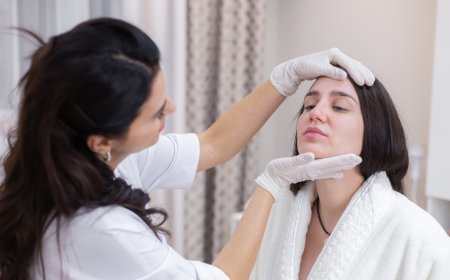
Is treatment necessary for milia?
Learn whether milia require treatment, when they may disappear naturally, safe removal options, and why professional assessment may be recommended.
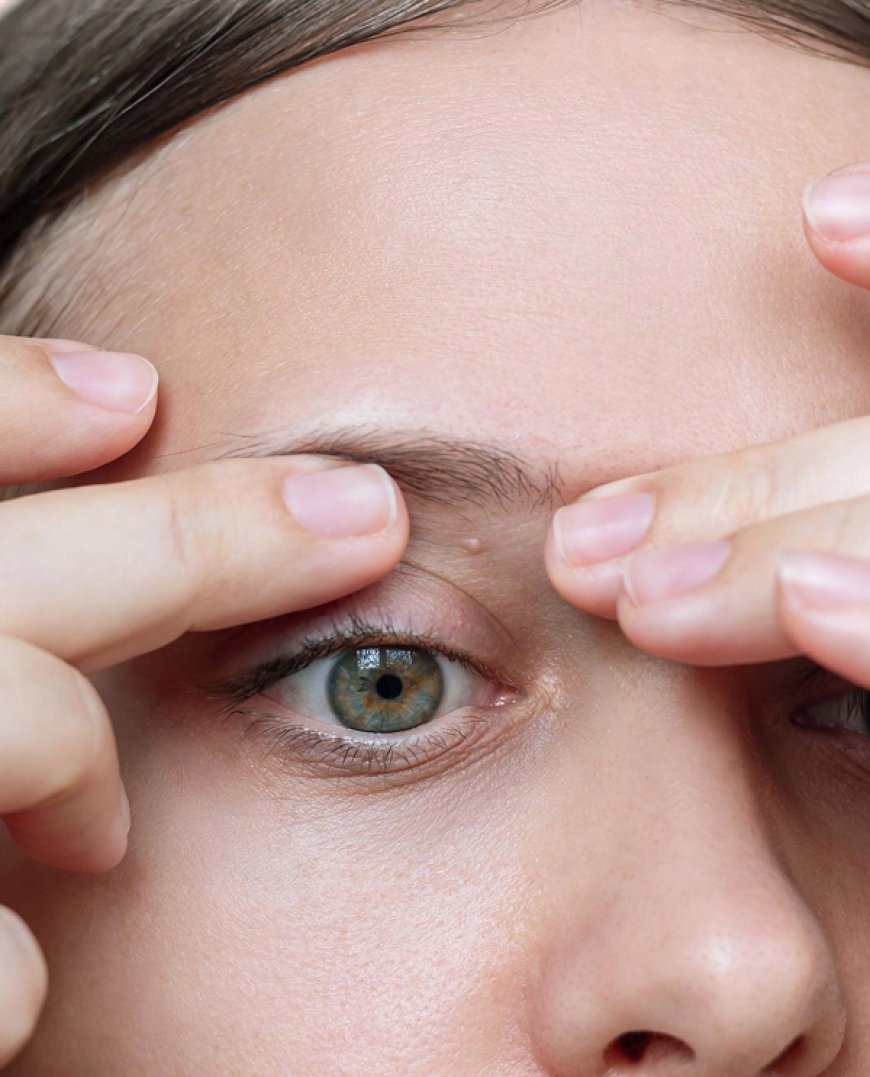
If you notice tiny white or yellowish bumps on your face, you may wonder, is treatment necessary for milia? In most cases, milia are harmless and do not require medical treatment. If you are exploring علاج الدخينات في دبي, understanding when milia need treatment and when they can resolve naturally can help you make an informed decision. These small, firm cysts commonly develop when keratin becomes trapped beneath the skin. Many cases, particularly in newborns, resolve naturally. However, persistent milia may be removed for cosmetic reasons or when they do not disappear over time.
What Are Milia?
Milia are small, firm, pearly-white or yellowish bumps that develop when keratin becomes trapped beneath the surface of the skin. Keratin is a protein naturally found in the outer layer of the skin, hair, and nails.
These bumps commonly appear around the eyes, cheeks, nose, forehead, and other areas of the face. They are usually very small and have a smooth appearance. Unlike acne, milia generally do not have an open pore or become inflamed.
Milia can occur in people of different ages. They are especially common in newborn babies but can also affect children, teenagers, and adults.
Is Treatment Necessary for Milia?
For most people, treatment is not medically necessary. Milia are usually benign and do not typically pose a health risk. When they occur in newborns, they often disappear naturally as the skin develops.
Adult milia can also resolve without intervention, although they may sometimes remain for a longer period. If the bumps are not causing discomfort and their appearance does not bother you, simply monitoring them may be reasonable.
Treatment is generally considered when milia persist, become cosmetically concerning, or are located in an area where their appearance is particularly noticeable.
When Can Milia Go Away Naturally?
The time required for milia to disappear can vary depending on the type and individual skin characteristics. Newborn milia often resolve naturally without any treatment.
In adults, milia may persist for months or longer. Some disappear naturally, while others remain until the trapped keratin is professionally removed.
Because milia are usually harmless, there is generally no need to rush into treatment. However, persistent bumps that do not change over time can be evaluated by a qualified skin professional to confirm that they are actually milia.
Why Might Someone Choose Milia Treatment?
Although treatment may not be medically required, there are several reasons someone may choose professional removal.
Cosmetic Concerns:
Milia are often visible on the face, particularly around the eyes and cheeks. Some people may feel uncomfortable about their appearance, especially when the bumps are numerous or persistent.
Persistent Bumps:
Some adult milia do not disappear naturally. Professional treatment can provide a way to remove persistent lesions safely.
Uncertainty About the Diagnosis:
Not every small white bump is milia. Certain acne lesions, clogged pores, skin conditions, or other growths can look similar. A professional assessment can help determine what the bumps actually are.
How Are Milia Treated?
When treatment is appropriate, a dermatologist or qualified skincare professional may use a suitable removal technique. One common approach is professional extraction, in which the surface is carefully opened and the keratin-filled cyst is removed using sterile equipment.
Depending on the type, location, number, and characteristics of the lesions, other procedures may sometimes be considered.
The appropriate method should be selected after examining the skin. Trying to remove milia without professional guidance is generally discouraged, particularly around the delicate eye area.
Can You Remove Milia at Home?
It is best to avoid squeezing, scratching, picking, or puncturing milia at home. Because these bumps are firm and sit beneath the skin surface, squeezing them like a pimple may not remove the contents effectively.
Attempting extraction with unsterilized tools can also increase the risk of irritation, infection, pigmentation changes, or scarring.
Instead, gentle cleansing and a consistent skincare routine can help maintain healthy skin while you monitor the bumps.
Does Skincare Prevent Milia?
Skincare cannot guarantee that milia will not develop, but gentle habits may support overall skin health. Using non-irritating products, cleansing regularly, and avoiding excessive rubbing can be helpful.
Some people may also benefit from carefully selected exfoliating ingredients, but stronger products are not suitable for everyone. Particularly around the eyes, products should be used cautiously because the skin is delicate.
If you frequently develop persistent milia, discussing your skincare routine with a dermatologist can help identify potentially irritating or unsuitable products.
When Should You See a Dermatologist?
Professional assessment may be appropriate if bumps persist, increase in number, repeatedly return, or cause significant cosmetic concern.
You should also consider an evaluation if you are uncertain whether the bumps are actually milia. A dermatologist can examine their appearance and location and determine whether treatment is appropriate.
Seeking professional advice is particularly important for bumps around sensitive areas such as the eyelids, where attempting removal yourself could cause injury.
Frequently Asked Questions:
Do milia need to be treated?
Usually, no. Milia are generally harmless and may disappear naturally. Treatment is optional in many cases and is often considered for persistent or cosmetic concerns.
Can adult milia disappear without treatment?
Yes, some adult milia may disappear naturally, although they can sometimes persist for months or longer.
Is removing milia safe?
Professional removal can generally be performed safely when carried out by an appropriately qualified professional. Home extraction should be avoided because it can cause skin damage or infection.
Should I squeeze milia?
No. Squeezing or puncturing milia can irritate the skin and may lead to infection, scarring, or pigmentation changes.
Can skincare get rid of milia?
Skincare may support healthy skin, but it does not always eliminate existing milia. Persistent lesions may require professional evaluation and removal.
Conclusion:
So, is treatment necessary for milia? In most cases, no. Milia are generally harmless and can disappear naturally, particularly in newborns. Adults may have persistent milia that remain for longer periods, and professional removal can be considered when their appearance is bothersome or the bumps do not resolve. Avoid squeezing or puncturing them at home, and seek professional assessment if you are unsure about the diagnosis or want safe removal options.
What's Your Reaction?
 Like
0
 Dislike
0
 Love
0
 Funny
0
 Angry
0
 Sad
0
 Wow
0