














The Most Iconic Jackets That Continue to Shape Fashion
Explore iconic jackets that continue shaping fashion, from biker and bomber styles to denim, workwear, puffers, trenches, and varsity coats.
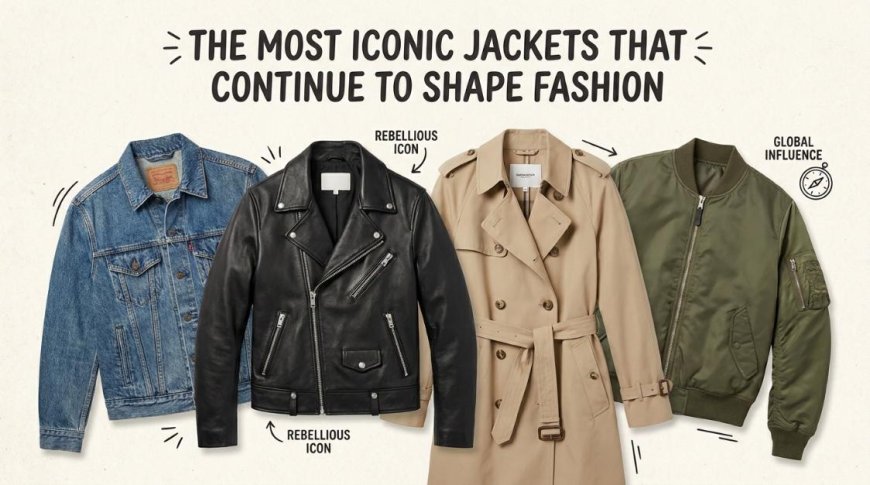
Some clothes belong to a particular season. Others become part of fashion history. The most iconic jackets fall into the second group. They return year after year, appearing on runways, city streets, film screens, concert stages, and social feeds without losing their identity.
The appeal goes deeper than warmth or practicality. A great jacket can suggest rebellion, confidence, status, or belonging before the person wearing it says a word. Leather bikers carry a sense of attitude. Trench coats feel polished. Denim jackets look relaxed. Workwear pieces suggest toughness and utility.
That emotional connection explains why iconic jackets survive changing trends. Designers may adjust the fit, fabric, color, or hardware, but the recognizable shape remains. Each generation finds a new way to wear it.
This guide looks at the jackets that still influence modern wardrobes, why their designs remain relevant, and how familiar outerwear continues to inspire fresh styling ideas.
Why certain jacket designs never disappear
Fashion moves quickly, but people do not replace every part of their wardrobe whenever a new trend arrives. They keep items that work. The best iconic jackets combine a clear visual identity with enough flexibility to suit different outfits.
A biker jacket looks just as convincing with worn jeans as it does over a slip dress. A bomber can be worn with cargo trousers, tailored pants, or a casual skirt. That freedom helps classic outerwear move between decades without feeling trapped in the past.
Construction also matters. Strong seams, useful pockets, protective fabrics, and comfortable shapes give these designs a practical reason to exist. Iconic jackets rarely became famous through appearance alone. Most began as clothing made for a specific job, climate, sport, or community.
Once musicians, actors, athletes, and subcultures adopted them, their meaning expanded. The jacket stopped being simple equipment and became a piece of personal expression.
The leather biker jacket still carries attitude
Few iconic jackets have a personality as clear as the leather biker. Its diagonal zipper, wide lapels, metal hardware, and close fit create a shape that people recognize immediately.
The design began with function. Heavy leather offered protection, while the cropped cut made riding more comfortable. Over time, film stars, rock musicians, punk bands, and fashion designers turned the biker jacket into a symbol of independence.
Its reputation for rebellion remains, but modern styling has made it far more flexible. A black version still works with boots and distressed denim, yet it can also sharpen a floral dress or give a simple office outfit more character. Brown, burgundy, cream, and faded leather versions offer a softer alternative.
Among iconic jackets, the biker stands out because wear can improve its appearance. Creases, softened leather, and small marks create a personal record. A spotless jacket may look expensive, but an older one often feels more interesting.
The bomber jacket moved far beyond military clothing
The bomber is one of the most adaptable iconic jackets in modern fashion. Its short body, ribbed cuffs, fitted waistband, and rounded shape began as practical aviation clothing. Those details helped keep pilots comfortable while allowing easy movement inside cramped aircraft.
Later versions reached sports teams, musicians, streetwear fans, and luxury labels. Nylon bombers became closely tied to youth culture, while leather and suede designs offered a more refined look.
Fit makes a major difference. A neat bomber creates a clean, athletic outline. An oversized version feels relaxed and works well with wide trousers or layered hoodies. Cropped bombers have also become popular because they balance high-waisted jeans, skirts, and dresses.
The strongest iconic jackets leave room for change, and the bomber proves that point. It can look rugged, minimal, sporty, or polished depending on the fabric and styling.
The trench coat makes practical clothing look elegant
Many iconic jackets began with a practical purpose, but the trench coat turned weather protection into a lasting style statement. Its double-breasted front, belted waist, storm flap, and structured collar create a polished outline without making the wearer look overdressed.
Traditional beige remains popular because it works with nearly every color. Black versions feel sharper, while navy, olive, and chocolate brown bring more depth to autumn outfits. Designers regularly experiment with leather panels, cropped hems, oversized shoulders, and unexpected fabrics, yet the basic trench shape stays easy to recognize.
Part of its appeal comes from movement. An open trench swings as the wearer walks, giving an ordinary outfit more presence. Belted tightly, it creates a defined shape. Worn loose, it feels effortless.
Unlike some iconic jackets that are strongly tied to one subculture, the trench crosses professional, casual, and evening wardrobes with ease.
The denim jacket became a universal wardrobe piece
Denim outerwear started as durable clothing for physical work. It later entered music, film, counterculture, and everyday fashion. That journey made the denim jacket one of the most familiar iconic jackets in the world.
The classic trucker design usually has a pointed collar, chest pockets, metal buttons, and a short structured body. Blue denim remains the standard, but black, white, grey, and faded washes create very different moods.
A denim jacket does not demand careful styling. It works over a plain T-shirt, knitwear, a summer dress, or a hoodie. Double denim can also look strong when the washes are clearly different or when the outfit uses one consistent shade from top to bottom.
Like leather, denim changes with wear. The fabric softens, fades around the seams, and begins to reflect the habits of its owner. This makes denim iconic jackets feel personal rather than precious.
Workwear jackets brought utility into everyday fashion
Workwear has shaped modern clothing more than many shoppers realize. Chore coats, canvas jackets, duck-fabric bombers, and lined utility coats were created for durability. Their roomy pockets and sturdy construction made them useful long before fashion editors started paying attention.
Today, workwear-inspired iconic jackets appear in streetwear collections, vintage stores, high-fashion shows, and ordinary wardrobes. People appreciate clothing that can handle daily use without looking delicate.
Color has helped these practical designs reach a wider audience. For shoppers who like a softer shade without losing the sturdy workwear look, a carhartt jacket pink womens style brings a playful note to a traditionally rugged shape. It can be paired with neutral denim, cream trousers, or dark cargo pants without feeling overly sweet.
The contrast is part of the charm. Heavy canvas in an unexpected color feels fresh because it keeps the original structure while changing the mood. That balance has made workwear some of the most influential iconic jackets in current casual fashion.
The puffer jacket proved warmth can drive a trend
Cold-weather clothing was once judged mainly by performance. The puffer changed that expectation. Its quilted sections, insulated body, and noticeable volume turned warmth into a visual statement.
Early puffers focused on protection from low temperatures. Later, outdoor labels, sportswear companies, and luxury designers changed the proportions. Some versions became cropped and glossy. Others grew oversized, reaching the knee or ankle. Bright colors made the shape even more visible.
Puffers now sit comfortably beside other iconic jackets because they solve a real problem while offering plenty of personality. A slim black puffer feels practical and understated. A metallic or brightly colored design can become the main feature of an outfit.
The modern preference for comfort has strengthened its position. People want outerwear that feels protective without forcing them to sacrifice style, and the puffer answers that need directly.
Varsity jackets keep sports heritage in fashion
The varsity jacket began as a marker of school and team membership. Wool bodies, contrasting leather sleeves, striped ribbing, chenille letters, and embroidered patches gave each jacket a strong sense of identity.
That link to belonging helped varsity designs move into music and streetwear. Fashion brands began replacing school initials with logos, artwork, city names, and cultural references. Some versions stay close to the original athletic design, while others use satin, denim, velvet, or full leather.
Varsity pieces stand apart from many iconic jackets because decoration is part of their structure. Patches and lettering do not feel like extra details. They tell the story of the jacket.
For styling, the key is letting that detail breathe. Straight jeans, plain trousers, simple sneakers, or a solid skirt keep the outfit grounded. The jacket already carries enough visual information.
Field jackets and parkas make utility feel natural
Field jackets are built around storage, movement, and protection. Their multiple pockets, straight cuts, buttoned fronts, and muted colors give them an honest, practical appearance. Parkas add longer hems, hoods, and heavier insulation for colder conditions.
Both styles became iconic jackets because civilians found them easy to wear. Olive field jackets pair naturally with denim, knitwear, and boots. A parka can cover bulky winter layers without looking too formal.
Designers often update these pieces through fabric rather than shape. Waxed cotton adds texture. Lightweight nylon makes a field jacket suitable for rain. Faux-fur trim gives a parka a more noticeable winter look.
These iconic jackets are especially useful for people who dislike fussy clothing. They have character, but their design still feels straightforward. Put one on, use the pockets, and get on with the day.
Shearling jackets add texture and warmth
Shearling outerwear has a physical presence that lighter iconic jackets cannot copy. The thick lining, wide collar, visible seams, and substantial leather or suede exterior make it feel protective as soon as it is worn.
A traditional aviator-style shearling jacket can look rugged with dark jeans and heavy boots. Modern cropped versions work well with wide-leg trousers or long skirts. Cream, tan, chocolate, and black are the most common shades, though fashion collections sometimes introduce brighter colors.
Texture does most of the styling work. Because shearling already looks rich and substantial, the rest of the outfit can stay simple. A plain knit, clean trousers, and understated footwear are often enough.
Among winter’s iconic jackets, shearling has a special advantage. It offers genuine warmth while creating a strong shape, so function and appearance support each other.
Color has changed the way classic jackets are worn
Black, brown, navy, olive, and beige built the reputation of many iconic jackets. Those shades remain useful, but color has opened classic outerwear to new audiences. Pink workwear, red bombers, green leather, and pale blue puffers give familiar shapes a different personality.
A pink carhartt jacket is a good example of how color can shift the meaning of a practical design. The construction still suggests toughness, but the softer shade creates contrast. That tension makes the piece more noticeable without changing its useful shape.
Color also helps iconic jackets move between seasons. A cream biker looks lighter in spring. Burgundy adds warmth during autumn. Bright cobalt or orange can make a winter puffer feel less predictable.
There is no need to match every part of the outfit to the jacket. Neutral basics usually give a colorful coat enough space to stand out. Repeating one small shade through a bag, shoe, or hat can tie everything together without looking forced.
Red outerwear turns a familiar shape into a statement
Red has long been connected with energy, confidence, and visibility. On outerwear, it becomes even more powerful because a jacket covers such a large part of the body.
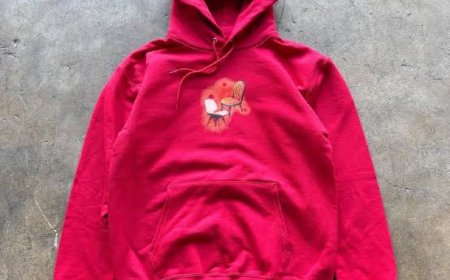
A red carhartt jacket combines that bold color with a practical workwear identity. The hooded bomber shape keeps the piece casual, while the strong shade gives it enough presence to carry a simple outfit.
Red iconic jackets work best when the surrounding colors are controlled. Black, charcoal, faded blue, cream, and brown all support red without competing with it. A white shirt or knit can also brighten the outfit and keep the jacket from feeling too heavy.
The exact shade changes the effect. Bright red looks energetic. Deep oxblood feels mature. Faded red has a vintage quality that suits canvas, leather, and worn denim especially well.
How to style classic jackets without looking dated
The easiest way to wear iconic jackets is to avoid copying an old outfit from head to toe. Keep the jacket’s original character, then combine it with modern proportions.
An oversized bomber looks current with straight or wide trousers. A fitted biker can balance a loose dress. A boxy denim jacket pairs well with a narrow skirt, while a cropped puffer works with high-waisted bottoms. The contrast between shapes keeps the outfit from looking like a costume.
Footwear changes the mood quickly. Boots make most iconic jackets feel tougher. Loafers create a cleaner look. Minimal sneakers keep workwear, varsity, and bomber jackets relaxed.
Accessories should support rather than compete. A jacket with patches, heavy hardware, or a bright color already has a focal point. Plain bags and simple jewelry often work better than several statement pieces worn at once.
Why old jacket styles keep returning
Fashion revivals are often described as nostalgia, but usefulness matters just as much. People return to iconic jackets because their designs still solve everyday dressing problems. They add shape, hold essentials, protect against weather, and make basic outfits feel complete.
Social media has shortened the gap between revivals. A vintage celebrity photo, film costume, runway image, or thrift-store find can spread quickly and introduce an older jacket to millions of people. Younger shoppers may discover the style without knowing its earlier cultural associations.
Brands respond by adjusting fit and fabric. A jacket may return wider, shorter, softer, or more colorful than the version sold twenty years ago. Yet the recognizable details remain because those details carry the identity.
This cycle keeps iconic jackets familiar without making them static. They can change enough to suit the present while preserving the features people loved in the first place.
What to check before buying a statement jacket
A strong jacket should earn its space in your wardrobe. Before buying one of these iconic jackets, look beyond the first impression and consider how it will work with the clothes you already own.
Start with fit. Check the shoulders, sleeve length, and room through the body. Try it over the layers you expect to wear. A winter jacket that fits only over a thin T-shirt will become frustrating once the temperature drops.
Then inspect the details. Zippers should move cleanly. Snaps and buttons should feel secure. Pocket placement should be useful, not decorative. On leather or heavy canvas, look closely at the stitching and stress points.
Finally, think about frequency. The best iconic jackets are not saved for rare occasions. They become dependable pieces you reach for several times a week. A bold color can still be practical when it works with most of your trousers, shoes, and everyday tops.
How iconic outerwear shapes new fashion ideas
Designers continue returning to iconic jackets because familiar shapes give them a strong starting point. A recognizable jacket can be enlarged, cropped, deconstructed, lined with a new material, or rebuilt in an unexpected color without losing its identity.
Street style also plays a major role. People mix vintage pieces with newer clothing, creating combinations that brands later adapt for commercial collections. A decades-old work jacket worn with tailored trousers may influence a runway look. A varsity jacket over a formal dress can change how shoppers view sportswear.
This exchange keeps iconic jackets active in fashion rather than locked inside museums or archive books. Their history matters, but their continued use matters more.
A jacket becomes truly influential when people can make it their own. That is why the strongest designs keep moving through different communities, price levels, and personal styles.
Frequently Asked Questions
What makes a jacket iconic?
A jacket becomes iconic when its design remains recognizable across several decades and continues influencing how people dress. A clear shape, useful construction, cultural associations, and repeated adoption by different generations all help build that status.
Which classic jacket is the most versatile?
The denim jacket is one of the easiest choices for everyday wear because it works with casual dresses, trousers, skirts, knitwear, and simple T-shirts. Bomber jackets and trench coats are also highly flexible, though they create different moods.
Are statement jackets suitable for daily wear?
Yes. A statement jacket can be worn regularly when the fit is comfortable and the color works with your existing wardrobe. Keeping the rest of the outfit simple makes bright colors, unusual textures, and bold details easier to style.
How should an iconic jacket fit?
The right fit depends on the design. Biker jackets often look best with a closer shape, while bombers, workwear coats, and puffers can handle more volume. The shoulders should still sit comfortably, and the sleeves should allow easy movement.
Can vintage jackets work with modern clothing?
Vintage jackets often look strongest beside modern basics. Straight trousers, plain knitwear, clean sneakers, or a simple dress can balance an older piece. Avoid recreating an entire period outfit unless that is the look you deliberately want.
Which jacket colors are easiest to style?
Black, navy, brown, olive, beige, and medium blue work with a wide range of outfits. Red, pink, cobalt, and other stronger colors can also be practical when most of your wardrobe is neutral.
Find a jacket that becomes part of your story
The best iconic jackets do more than complete an outfit. They collect memories, soften with wear, and begin to reflect the person who owns them. Some are chosen for warmth. Others are bought because the color or shape feels impossible to ignore.
Jackets Junction brings together outerwear inspired by workwear, entertainment, sports, and street style. Explore the collection to find a jacket that feels distinctive on the first wear and even better after it becomes part of your everyday wardrobe.
What's Your Reaction?
 Like
0
Like
0
 Dislike
0
Dislike
0
 Love
0
Love
0
 Funny
0
Funny
0
 Angry
0
Angry
0
 Sad
0
Sad
0
 Wow
0
Wow
0