




















Options Trade Simulation: Practice Smarter Before Risking Real Money

Options trading offers exciting opportunities, but it also comes with complexity and risk. Understanding market movements, selecting the right strategies, and managing positions require experience that cannot always be gained through reading alone. This is where options trade simulation becomes a valuable tool for both beginners and experienced traders.
A simulation environment allows traders to practice buying and selling options without putting actual capital at risk. By using virtual funds and real market scenarios, traders can test strategies, improve decision-making, and gain confidence before entering live markets.
Whether you are learning covered calls, analyzing spreads, or exploring advanced options strategies, a realistic trading simulator can help you understand how different choices may perform under changing market conditions.
What Is Options Trade Simulation?
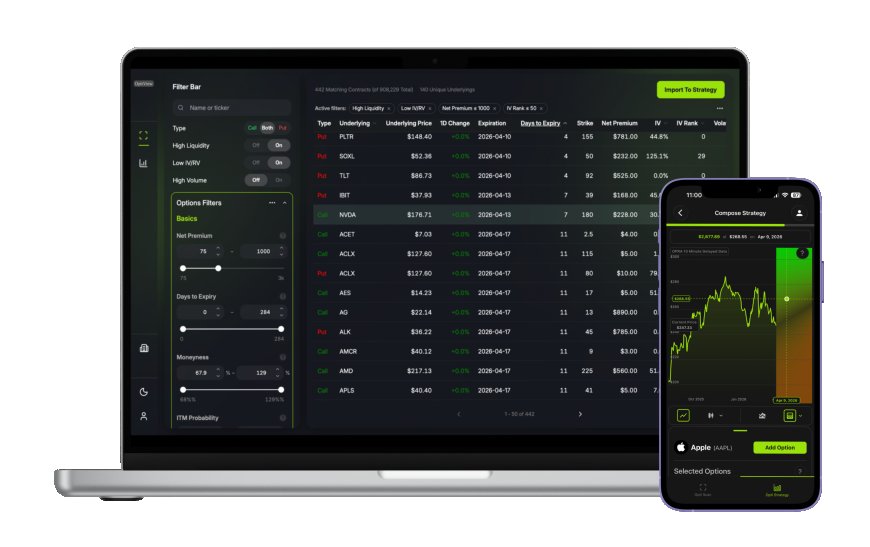
An options trade simulation is a practice platform that recreates real-world options trading conditions using virtual money instead of real investments. These tools allow users to analyze potential trades, monitor price movements, and evaluate strategy performance without financial risk.
Unlike traditional paper trading, advanced simulation platforms often include features such as:
- Real-time or historical market data
- Options chain analysis
- Strategy testing tools
- Profit and loss calculations
- Risk assessment features
- Trade performance tracking
This makes simulations an excellent learning environment for anyone looking to improve their options trading skills.
Benefits of Using an Options Trading Simulator
1. Learn Without Financial Risk
One of the biggest advantages of simulation trading is the ability to practice without losing real money. Options involve factors such as volatility, time decay, and market direction, which can be difficult to understand initially.
A simulator helps traders experience these elements safely. You can make mistakes, review outcomes, and refine your approach before committing real funds.
2. Test Different Options Strategies
Every market condition requires a different approach. Some traders may use bullish strategies when expecting price increases, while others may choose defensive strategies during uncertain periods.
With an options trade simulation platform, traders can experiment with strategies like:
- Call and put options
- Bull call spreads
- Bear put spreads
- Iron condors
- Covered calls
- Protective puts
- Calendar spreads
Testing different approaches helps traders discover which strategies match their goals and risk tolerance.
3. Improve Risk Management Skills
Successful options trading is not only about finding profitable opportunities. Managing risk is equally important.
Simulation tools allow traders to analyze:
- Maximum possible losses
- Potential returns
- Break-even points
- Position sizing
- Market volatility impact
By understanding these factors before trading live, investors can develop better habits and avoid emotional decision-making.
How Options Trade Simulation Helps Beginners
For new traders, options markets can feel overwhelming because they involve multiple variables. Unlike buying stocks, options contracts are affected by strike prices, expiration dates, implied volatility, and time decay.
A virtual trading environment simplifies the learning process by allowing beginners to:
- Understand options terminology
- Practice entering and exiting trades
- Compare different strategies
- Observe market reactions
- Build confidence gradually
Instead of learning through expensive mistakes, beginners can gain practical experience in a controlled environment.
Advanced Uses of Options Simulation Tools
Experienced traders can also benefit from simulation platforms. Professional investors often use these tools to analyze possible scenarios before executing complex trades.
Strategy Optimization
Traders can compare multiple setups and identify which strategy offers the best balance between potential reward and risk.
Market Scenario Testing
Simulation allows users to explore questions like:
- What happens if a stock price rises sharply?
- How will volatility changes affect an option position?
- How does time decay influence profitability?
These insights can improve preparation and decision-making.
Reviewing Trading Performance
Many traders use simulations as a way to track their progress. Reviewing previous trades helps identify patterns, strengths, and areas needing improvement.
Choosing the Right Options Simulation Platform
Not all trading simulators offer the same features. When selecting a platform, consider important factors such as:
Realistic Market Data:
Accurate pricing information helps create a more authentic trading experience.
Strategy Analysis Tools:
Look for platforms that allow you to evaluate different options combinations.
Easy-to-Use Interface:
A simple dashboard makes it easier to focus on learning rather than navigating complicated software.
Educational Resources:
Tutorials, guides, and analytics can accelerate your understanding of options trading.
Platforms like Opti-View provide tools designed to help traders analyze opportunities, evaluate strategies, and improve their overall trading process.
Best Practices for Successful Simulation Trading
To get the most value from simulation trading, follow these tips:
- Treat virtual trades as seriously as real trades.
- Create a clear trading plan before entering positions.
- Track every simulated trade and review results.
- Test multiple market conditions.
- Focus on learning rather than only chasing profits.
Remember that simulation success does not guarantee real-world profits, but it can significantly improve preparation and discipline.
Conclusion: Build Confidence Before Trading Live
Options trading requires knowledge, practice, and careful risk management. An options trade simulation provides a practical way to develop these skills without exposing your money to unnecessary risks.
By testing strategies, studying market behavior, and improving decision-making, traders can approach live markets with greater confidence. Whether you are a beginner exploring options for the first time or an experienced trader refining your methods, simulation can be an essential part of your trading journey.
Start practicing today, analyze different strategies, and take the next step toward becoming a more informed options trader.
Frequently Asked Questions (FAQs)
What is an options trade simulation?
An options trade simulation is a virtual trading environment that allows users to practice options trading with simulated funds instead of real money. It helps traders test strategies and understand market behavior safely.
Is options simulation useful for beginners?
Yes. Beginners can use simulation tools to learn options concepts, practice trades, and develop confidence before investing real capital.
Can I test advanced options strategies with a simulator?
Yes. Many simulation platforms allow users to test complex strategies such as spreads, covered calls, iron condors, and other multi-leg options setups.
Does simulated trading guarantee success in real markets?
No. While simulation improves knowledge and experience, real trading involves emotions, changing market conditions, and financial risks that may differ from practice results.
How long should I practice with an options simulator?
The ideal timeframe depends on your experience level. Many traders continue practicing until they understand risk management, strategy selection, and trade execution confidently.
What's Your Reaction?
 Like
0
Like
0
 Dislike
0
Dislike
0
 Love
0
Love
0
 Funny
0
Funny
0
 Angry
0
Angry
0
 Sad
0
Sad
0
 Wow
0
Wow
0