



















What Golfers Want Most from Ball Retrievers Based on Common Complaints
Discover the key ball retriever features golfers prefer, from strong shafts and steady grip to compact storage and easier recovery near water.

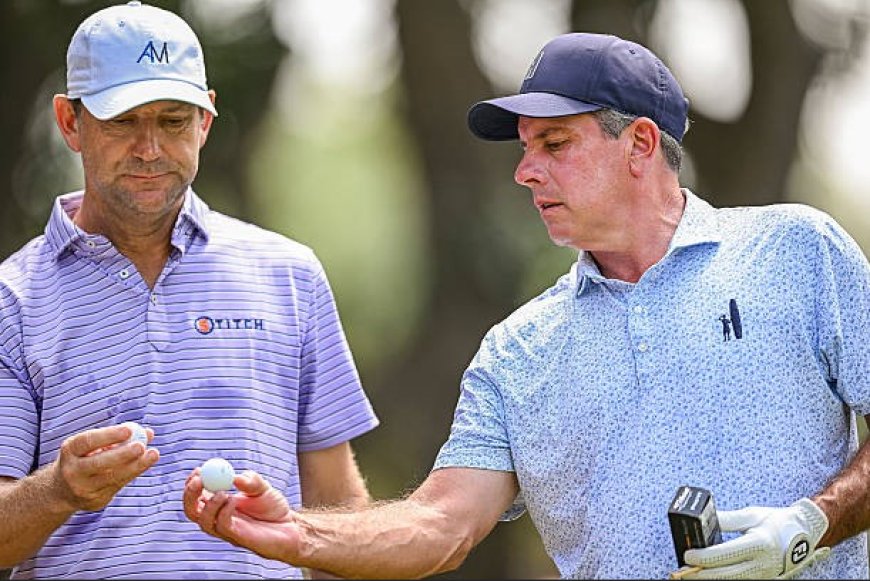
Losing a golf ball is annoying enough. Losing one when it is still visible in a pond, creek, mud patch, or thick grass feels even worse. That is why many golfers look for a ball retriever that saves time, reduces frustration, and helps them recover balls without stepping into unsafe or messy areas.
A good golf ball retriever should do more than extend your reach. It needs to feel stable, hold the ball securely, collapse neatly into a bag, and work well in real course conditions where water, weeds, slopes, and uneven ground can make recovery difficult.
Key Takeaways
-
Golfers want retrievers that reach far without bending or drooping.
-
A secure grip helps prevent the ball from falling back into the water.
-
Strong locking systems keep telescoping poles stable during use.
-
Compact designs are easier to carry in a golf bag.
-
Comfortable handles improve control near water hazards.
Review of Common Complaints: What Golfers Really Want from Ball Retrievers
-
Poles That Bend or Break
One of the most common complaints about ball retrievers is that the pole bends, droops, or feels weak when fully extended. Many lightweight models may seem convenient at first, but they can become difficult to control when reaching across water, mud, reeds, or thick grass. When the shaft loses stability, golfers often miss the ball or push it farther into the hazard.
Golfers want stronger materials that can handle real course conditions. A dependable retriever should feel steady at full reach and resist corrosion after repeated contact with water. Among useful golf course tools, a sturdy retriever should help recover balls without warping, shaking, or collapsing.
-
Locking Mechanisms
Another common issue with ball retrievers is a weak telescoping lock. Some shafts slide back during recovery because the locking system wears out or does not hold firmly. This can be frustrating when a golfer is already stretched near a pond or creek and needs the pole to remain exactly the right length.
Golfers want strong twist-lock or automatic locking systems that secure the shaft in place. A reliable lock gives better control, improves reach, and makes the retriever safer to use around water hazards. Before players buy golf retriever products, they should look closely at how the extension system works.
-
Not Dropping the Ball After Recovery
Many golfers complain that traditional spoon or cup-style ball retrievers do not hold the ball securely. The retriever may scoop up the ball, but then it rolls out and drops back into the water. This makes the recovery feel wasted and often leads to repeated attempts.
Golfers want a ball retriever that grips the ball firmly. Claw, cage, spring-release, or secure gripping designs can help prevent the ball from slipping away. A well-designed gripping ball retriever is especially useful in muddy water, weeds, and uneven ground where clean scooping is difficult.
-
Light Storage and Easier to Fit in the Golf Bag
Storage is another major concern. Some ball retrievers are too long, heavy, or awkward to fit neatly in a standard golf bag. When a retriever gets tangled with clubs or adds too much bulk, golfers may stop carrying it altogether.
Golfers want compact shafts that collapse easily yet still offer enough reach over ponds, creeks, and drainage areas. The best designs fit smoothly with other golf bag accessories without making it feel crowded. Since golfers already carry clubs, balls, gloves, towels, and tees, every extra tool needs to earn its space.
-
Handle Comfort and Control
Some ball retrievers also fail because their handles are slippery, thin, or uncomfortable. When the handle does not provide a steady grip, it becomes harder to guide the retriever at full length. This is even more noticeable when the golfer’s hands are wet or the ground is uneven.
Golfers want a comfortable handle that supports better control. A non-slip grip can make recovery easier and safer, especially when reaching near water hazards. A retriever should feel simple, stable, and reliable during real use.
Conclusion
Ball retrievers are valuable because they help golfers solve one of the most common problems on the course: recovering balls from difficult spots without taking unnecessary risks. Golfers want tools that feel strong, stable, compact, and easy to control.
A quality retriever can save money on lost balls, reduce frustration during a round, and help players avoid slippery banks or muddy edges. When the design includes reliable reach, secure grip, durable materials, and simple storage, golfers get a practical accessory that supports smoother play and better confidence.
FAQs
Why do golfers use ball retrievers?
Golfers use ball retrievers to recover balls from ponds, creeks, mud, tall grass, and hard-to-reach areas without stepping into unsafe spots.
What is the most important feature in a ball retriever?
The most important feature is secure ball control. A retriever should hold the ball firmly so it does not slip back into the water.
Are longer ball retrievers better?
Longer retrievers are useful for wide hazards, but they should also stay stable when fully extended. Reach only helps if the pole remains easy to control.
What makes a ball retriever easy to carry?
A compact, lightweight design makes a ball retriever easier to store in a golf bag without adding too much bulk or getting tangled with clubs.
Can a ball retriever work in muddy water?
Yes, a good retriever can work in muddy water if it has a strong grip, steady shaft, and durable head design.
What's Your Reaction?
 Like
0
Like
0
 Dislike
0
Dislike
0
 Love
0
Love
0
 Funny
0
Funny
0
 Angry
0
Angry
0
 Sad
0
Sad
0
 Wow
0
Wow
0