














Pizza Boxes: The Small Detail That Can Make or Break the Delivery Experience
For pizzerias, cloud kitchens, and food delivery brands, packaging has quietly become part of the product itself.

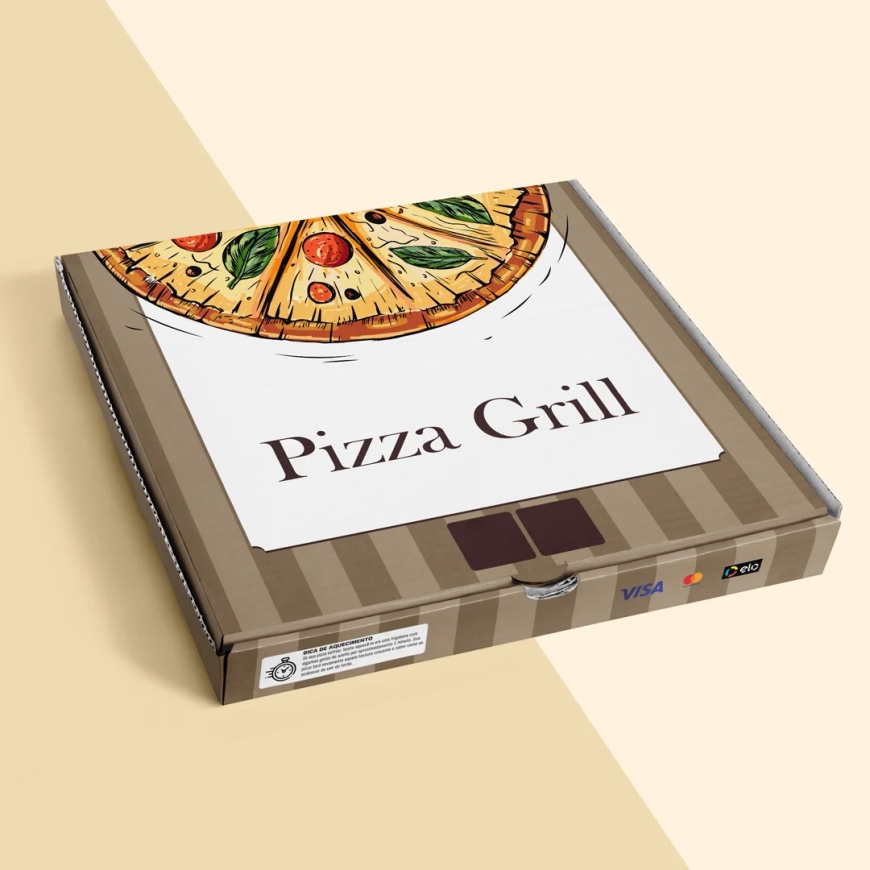
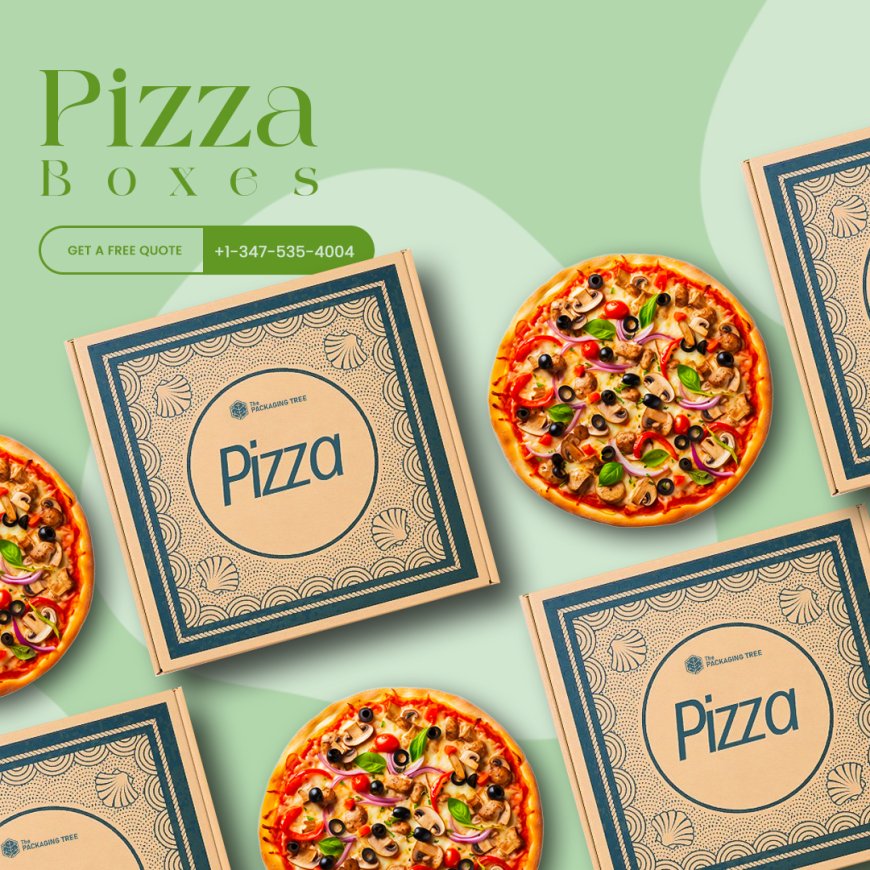
Order a pizza online and the first thing that arrives at your door isn't really the pizza, it's the box. Long before anyone lifts the lid, the condition of that pizza box already says something about the restaurant behind it. A soggy bottom, a crushed corner, or a lid that won't stay closed can undo an otherwise great meal before a single slice is eaten.
It's no longer just a way to carry food from the oven to the customer, it's often the last impression a brand makes before a review gets written or a repeat order gets placed.
Why Pizza Boxes Are More Complicated Than They Look
At first glance, a pizza packaging box seems like one of the simplest packaging formats out there, a flat piece of corrugated board folded into a shape. In practice, it has to solve several competing problems at once. It needs to hold heat long enough to keep the pizza warm during delivery, release enough steam to stop the crust from turning soggy, and stay structurally sound even when stacked with other orders in a delivery bag.
This balancing act is why so many pizzeria owners eventually move away from generic supermarket-style boxes and start working with custom printed boxes designed around their specific menu, delivery radius, and branding needs. A box built for a thin, crispy Roman-style pizza behaves very differently from one built for a deep-dish pie loaded with toppings.
Material and Structural Considerations
Most pizza boxes are made from corrugated cardboard or kraft paperboard, chosen specifically for their grease resistance and insulating properties. The flute structure inside the board plays a bigger role than most customers realise, a single-wall flute keeps costs down for standard-size pizzas, while double-wall construction is often used for larger family-size boxes that need extra rigidity to avoid sagging in the middle.
Ventilation is another detail that separates a well-designed pizza box from a poorly designed one. Small vents or perforations along the sides allow steam to escape without letting the pizza go cold too quickly, striking a balance that keeps the crust from becoming either soggy or stiff by the time it reaches the customer. Getting this wrong is one of the most common complaints in food delivery, and it's almost always a packaging issue rather than a kitchen one.
Branding Opportunities on a Pizza Box
Few packaging formats offer as much visible branding real estate as a pizza box. The flat lid alone provides a large, clean surface that customers see the moment their order arrives, making it one of the most cost-effective forms of advertising a restaurant can invest in. A well-branded box gets photographed for social media, sits on a kitchen counter during the meal, and often ends up as visual proof of a brand's identity long after the food itself is gone.
This is where printed packaging choices genuinely matter. Bold logos, consistent colour schemes, and even simple touches like a printed slogan or QR code linking to a loyalty program can turn a functional box into a small piece of ongoing marketing. Restaurants that treat their pizza box as an extension of their in-store branding, rather than an afterthought picked from a supplier's generic catalogue, tend to build stronger recall among repeat delivery customers.
Sustainability in Pizza Packaging
Pizza boxes have become something of a case study in packaging sustainability, partly because of a common misconception that grease-stained boxes can't be recycled at all. In reality, most councils accept lightly soiled pizza boxes in standard recycling streams, though heavily saturated sections sometimes need to be torn off first. This has pushed some brands toward compostable coatings and plant-based liners that manage grease absorption without compromising recyclability.
Reducing material use has also become a focus, with some pizzerias moving toward slightly thinner board weights or box designs that use less material overall while still maintaining structural strength. For brands positioning themselves around sustainability, working with a supplier who understands both eco-friendly packaging requirements and the practical grease-and-heat demands of food delivery tends to produce better results than chasing sustainability claims that don't hold up once the box is actually used.
Custom Sizing for Different Menu Items
Not every pizza fits neatly into a standard 12-inch or 16-inch box, and treating all menu items with the same packaging size often leads to wasted material or poor product presentation. Personal-size pizzas, garlic bread sides, and dessert items like calzones or stuffed crust variations frequently need their own smaller box formats to avoid excess empty space, which can cause toppings to shift during transit.
This is one of the clearer arguments for custom boxes in the pizza and food delivery space. A supplier who can offer a range of sizes tailored to an actual menu, rather than forcing every item into the same generic format, helps reduce both packaging waste and the kind of in-transit damage that leads to customer complaints.
Delivery and Takeaway Considerations
Boxes designed for delivery face different stresses than boxes designed for in-store takeaway. Delivery boxes need to survive being placed in insulated delivery bags, stacked with other orders, and transported over uneven roads, all while keeping the pizza intact and reasonably warm. Takeaway boxes, by contrast, are usually handled more carefully by the customer directly and have a much shorter journey between counter and car.
Restaurants running both service models sometimes benefit from slightly different box specifications for each channel, a sturdier double-wall option for third-party delivery apps, and a lighter, more cost-effective single-wall option for in-store pickup. Getting this distinction right can meaningfully reduce packaging costs without sacrificing the delivery experience where it actually matters.
Common Pitfalls to Avoid
A handful of recurring mistakes tend to show up when restaurants source pizza packaging without much planning. Ordering box sizes that are too generous for the actual pizza diameter is one of the most common, since extra empty space allows toppings to slide and grease to pool unevenly during transit. On the other end, boxes that are too tight can crush toppings against the lid the moment it's closed.
Skipping ventilation entirely is another frequent oversight, particularly among smaller operations trying to cut costs by using the cheapest available stock box. While it might save a small amount per unit, the resulting soggy crust complaints often cost far more in refunds, negative reviews, and lost repeat business than the packaging savings were ever worth.
Choosing the Right Packaging Partner
Because pizza boxes sit at the intersection of food safety, structural engineering, and brand marketing, working with a packaging supplier who understands all three areas tends to produce noticeably better results than sourcing from a generic wholesaler. If your business is exploring options beyond standard pizza boxes, it's worth looking into custom printed boxes for branding-focused designs, or corrugated packaging options for businesses that need extra structural strength for bulk delivery orders.
Final Thoughts
A pizza box rarely gets a second thought until something goes wrong with it, a collapsed lid, a soggy base, or a design so generic it fails to leave any impression at all. For pizzerias and food delivery brands looking to stand out, packaging has quietly become one of the more affordable ways to reinforce brand identity and improve the overall customer experience, one delivery at a time.
What's Your Reaction?
 Like
0
Like
0
 Dislike
0
Dislike
0
 Love
0
Love
0
 Funny
0
Funny
0
 Angry
0
Angry
0
 Sad
0
Sad
0
 Wow
0
Wow
0