















Recovery Lifestyle Adjustments After a Beard Transplant Procedure
Recovery Lifestyle Adjustments After a Beard Transplant Procedure

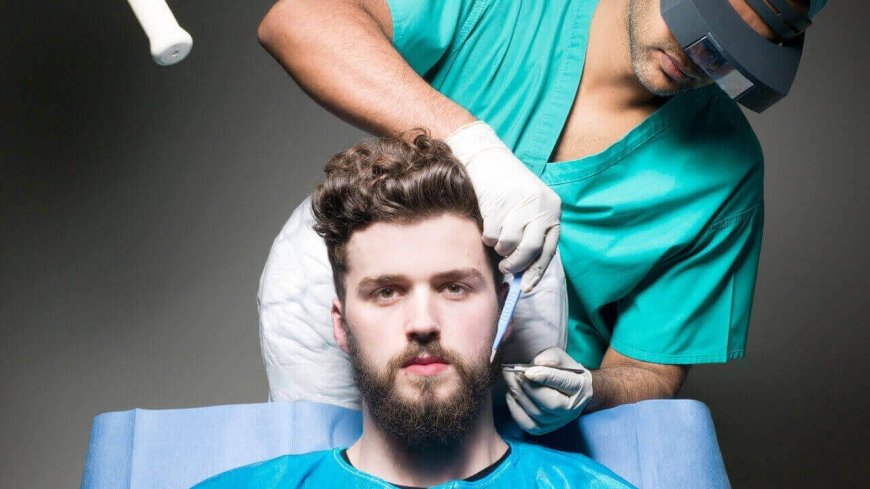
Recovery Lifestyle Adjustments After a Beard Transplant Procedure
A beard transplant is a minimally invasive cosmetic procedure, but the recovery phase plays a major role in determining final results. While the surgery itself is completed within a few hours, the healing and growth process continues for several months. During this period, certain lifestyle adjustments are necessary to protect the newly implanted follicles and ensure optimal growth.
Patients who follow proper recovery guidelines usually experience better density, faster healing, and more natural-looking results. On the other hand, ignoring aftercare instructions can increase the risk of graft damage, infection, or uneven growth. Beard hair transplant in Riyadh is becoming a popular option for men seeking to achieve fuller and more natural-looking facial hair growth.
Understanding how to adjust daily habits after the procedure helps ensure long-term success.
The Importance of Post-Procedure Lifestyle Changes
After a beard transplant, the implanted follicles are extremely delicate during the first few days. They are not yet fully secured in the skin and depend on careful handling to survive.
Lifestyle adjustments are important because they:
- Protect newly implanted grafts
- Reduce inflammation and swelling
- Support faster healing
- Improve graft survival rate
- Enhance final beard density and appearance
The recovery phase is just as important as the surgery itself.
First 48–72 Hours: Critical Protection Phase
The first few days after the procedure are the most sensitive.
Key Adjustments
- Avoid touching or rubbing the beard area
- Do not wash the face unless instructed by the surgeon
- Sleep with the head elevated to reduce swelling
- Avoid sweating or physical exertion
- Stay away from direct sunlight and dust
During this phase, even minor pressure or friction can dislodge grafts.
Sleep Position Adjustments
Sleeping position is one of the most important lifestyle changes after a beard transplant.
Recommended Position
- Sleep on your back
- Keep head elevated at a 30–45 degree angle
- Use extra pillows for support
What to Avoid
- Sleeping on your side or stomach
- Pressing the face against pillows
- Rolling during sleep
Proper sleeping posture reduces swelling and protects grafts from accidental damage.
Physical Activity and Exercise Restrictions
Physical activity must be limited during the early recovery phase.
First 7–10 Days
- Avoid gym workouts
- No running or heavy exercise
- Avoid bending or lifting heavy objects
Why It Matters
- Sweating increases infection risk
- Increased blood pressure may disturb grafts
- Physical strain slows healing
Light walking is generally acceptable after a few days, but intense activity should be avoided until cleared by a surgeon.
Hygiene and Washing Routine Adjustments
Proper hygiene is essential, but it must be done carefully.
First Wash (Usually After 2–3 Days)
- Performed gently or under medical guidance
- Use mild, recommended shampoo or cleanser
- Avoid direct water pressure on the beard area
Ongoing Care
- Wash gently without rubbing
- Pat dry instead of wiping
- Avoid harsh soaps or chemicals
Maintaining cleanliness helps prevent infection while protecting sensitive grafts.
Diet and Nutrition for Better Healing
Nutrition plays a key role in recovery and hair growth.
Recommended Foods
- Protein-rich foods (eggs, fish, chicken, legumes)
- Fresh fruits and vegetables
- Foods rich in vitamins A, C, E, and B-complex
- Zinc and iron-rich foods
What to Avoid
- Excessive junk food
- Alcohol (if applicable)
- High-sugar processed foods
A healthy diet supports faster healing and stronger follicle growth.
Hydration and Its Role in Recovery
Staying hydrated is often overlooked but very important.
Benefits of Proper Hydration
- Supports skin healing
- Improves blood circulation
- Helps maintain follicle health
- Reduces dryness and irritation
Patients are encouraged to drink plenty of water throughout the day, especially in the first two weeks.
Smoking and Alcohol Restrictions
Smoking and alcohol can significantly affect recovery outcomes.
Smoking Effects
- Reduces blood flow to transplanted follicles
- Slows healing process
- Increases risk of graft failure
Alcohol Effects
- Dehydrates the body
- Can interfere with medications
- May increase swelling
Most surgeons recommend avoiding both for at least 1–2 weeks after the procedure, or longer for optimal results.
Sun Exposure and Environmental Protection
The skin is highly sensitive after a beard transplant.
Sun Protection Guidelines
- Avoid direct sunlight for at least 10–14 days
- Wear a loose hat if necessary (without touching grafts)
- Stay in shaded or indoor environments
Why It Matters
UV exposure can:
- Cause irritation
- Delay healing
- Affect skin pigmentation temporarily
Dusty or polluted environments should also be avoided during early recovery.
Medication and Medical Compliance
Surgeons usually prescribe medications to support healing.
Common Prescriptions
- Antibiotics to prevent infection
- Anti-inflammatory medications
- Mild pain relievers
- Special lotions or sprays for graft care
Taking medications exactly as prescribed is essential for preventing complications and ensuring proper healing.
Avoiding Facial Grooming and Shaving
Patients must avoid disturbing the transplanted area during early recovery.
Restrictions
- No shaving for several weeks
- Avoid trimming or shaping the beard
- No beard oils or styling products initially
Once healing is complete, normal grooming routines can resume safely.
Stress Management During Recovery
Stress can negatively impact the healing process.
Effects of High Stress
- Slower recovery
- Increased inflammation
- Poor sleep quality
- Reduced immune response
Helpful Practices
- Adequate rest and sleep
- Light relaxation activities
- Avoiding unnecessary physical or mental strain
A calm recovery environment supports better results.
Long-Term Lifestyle Adjustments
After the initial healing phase, long-term habits also influence beard quality.
Recommended Habits
- Balanced diet and regular exercise
- Good sleep patterns
- Proper skin care routine
- Avoiding smoking and excessive alcohol
- Regular hydration
These habits help maintain strong, healthy beard growth over time.
When Normal Activities Can Resume
Recovery timelines vary slightly, but general milestones include:
- 3–5 days: basic healing begins
- 7–10 days: most daily activities resume
- 2 weeks: visible scabs and redness reduce significantly
- 1 month: normal routine mostly restored
- 3–6 months: visible beard growth begins
Full results typically develop over 9–12 months.
Conclusion
Recovery after a beard transplant is not just about rest—it requires mindful lifestyle adjustments that protect delicate grafts and support long-term growth. From sleeping positions and hygiene routines to diet, exercise, and stress management, every habit plays a role in the final outcome.
What's Your Reaction?
 Like
0
Like
0
 Dislike
0
Dislike
0
 Love
0
Love
0
 Funny
0
Funny
0
 Angry
0
Angry
0
 Sad
0
Sad
0
 Wow
0
Wow
0