
























Robot Wire Harness Engineering: Why It's More Demanding Than Most People Realize
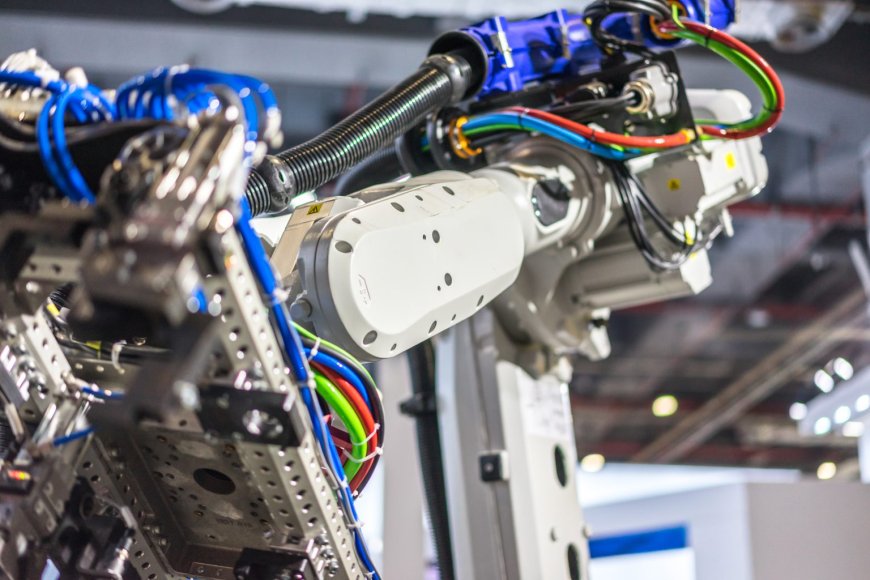
Robot wire harnesses in industrial and collaborative robotic systems face mechanical demands that standard cable assemblies simply aren't built for continuous flexing, vibration, thermal cycling, and tight routing through moving joints.

1 / 1
1.
Spend enough time around industrial robotics and you start to notice a pattern. When a robotic system goes down unexpectedly, the first things people check are the controller, the software, the mechanical components. The wire harness is usually an afterthought right up until it turns out to be the actual problem.
This isn't a criticism of how engineers think. It's just a reflection of where attention naturally goes. Robots are complex, impressive machines, and the wiring that connects everything tends to be invisible until it fails. But the robot wire harness is doing some of the hardest mechanical work in the entire system, and it deserves a lot more consideration than it typically gets during the design phase.
What's Your Reaction?
 Like
0
Like
0
 Dislike
0
Dislike
0
 Love
0
Love
0
 Funny
0
Funny
0
 Angry
0
Angry
0
 Sad
0
Sad
0
 Wow
0
Wow
0