





















Scalp health and its role in successful transplantation
Scalp health and its role in successful transplantation

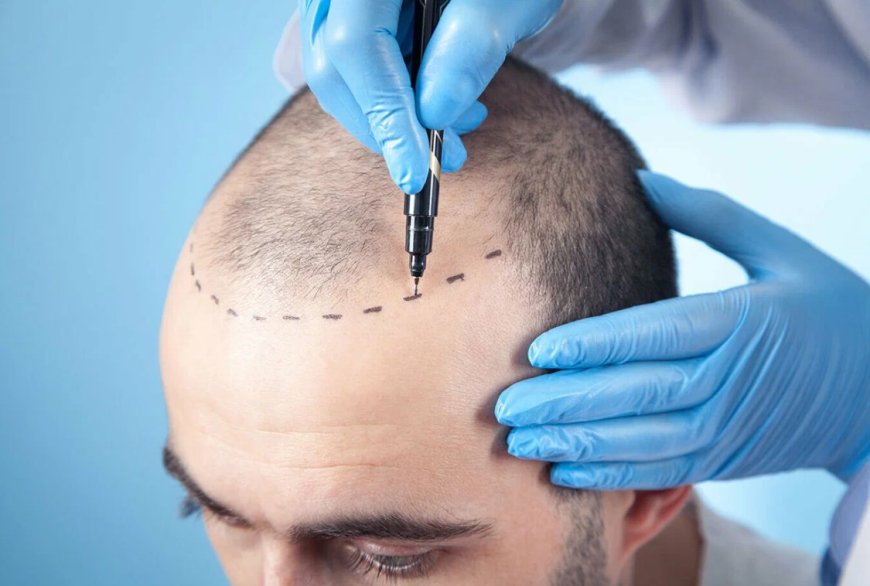
Scalp Health and Its Role in Successful Hair Transplantation
A successful hair transplant is not only about surgical skill or technique like FUE or FUT—it also heavily depends on the overall health of the scalp. Even the most advanced procedure can produce weak or uneven results if the scalp environment is not healthy enough to support new follicle growth.
In clinics in Riyadh and other leading medical centers, scalp assessment is one of the first steps before recommending a transplant. This is because scalp health directly affects graft survival, healing speed, and long-term hair quality.
This article explains why scalp health is important and how it influences hair transplant success. Hair transplant in Riyadh is becoming an increasingly popular solution for people seeking a permanent and natural-looking way to restore their hair.
What Is Scalp Health?
Scalp health refers to the overall condition of the skin where hair grows. A healthy scalp has:
- Proper blood circulation
- Balanced oil (sebum) production
- No active infections or inflammation
- Clear hair follicles
- Strong skin barrier function
When the scalp is healthy, it creates the ideal environment for transplanted follicles to survive and grow.
Why Scalp Health Is Important for Hair Transplant Success
The scalp is not just a surface—it is the foundation where grafts are implanted. Its condition affects nearly every stage of the transplant process.
1. Improves Graft Survival Rate
After transplantation, each graft needs:
- Oxygen
- Nutrients
- Stable skin environment
A healthy scalp provides all of these through proper blood circulation.
Result:
- Higher graft survival
- Stronger hair growth
- Better density over time
Poor scalp health can reduce the number of follicles that successfully grow.
2. Supports Faster Healing After Surgery
After FUE or FUT procedures, the scalp goes through a healing phase.
A healthy scalp helps:
- Faster wound recovery
- Reduced redness and swelling
- Lower risk of infection
- Quick scab formation and shedding
An unhealthy scalp may delay healing and increase discomfort.
3. Reduces Risk of Infection and Complications
An unhealthy scalp may have:
- Dandruff
- Fungal infections
- Excess oil buildup
- Inflamed or irritated skin
These conditions increase the risk of:
- Post-surgery infection
- Poor graft anchoring
- Delayed healing
That is why surgeons always treat scalp conditions before surgery if needed.
4. Improves Hair Growth Quality
Even if grafts survive, scalp condition affects how strong and thick the hair becomes.
Healthy scalp leads to:
- Thicker hair strands
- Better hair texture
- More consistent growth
- Natural-looking density
A weak scalp environment may produce thinner or slower-growing hair.
5. Affects Donor Area Quality
The donor area (back and sides of the head) must also be healthy.
Good donor area:
- Strong follicle density
- Stable growth pattern
- Minimal thinning or inflammation
Poor donor area:
- Weak graft quality
- Overharvesting risk
- Reduced transplant success
Common Scalp Problems That Affect Hair Transplant
Certain scalp conditions can reduce success if not treated beforehand.
1. Dandruff (Seborrheic Dermatitis)
- Causes flaking and itching
- May indicate inflammation
- Needs treatment before surgery
2. Scalp Infections
- Bacterial or fungal infections
- Can damage follicles
- Must be fully treated before transplant
3. Excess Oil Production
- Clogs follicles
- Increases risk of infection
- May affect graft attachment
4. Scalp Psoriasis
- Chronic skin condition
- Causes thick scaling and irritation
- Requires medical management before surgery
5. Poor Blood Circulation
- Slows healing process
- Reduces nutrient supply to follicles
- Affects long-term growth quality
How Doctors Evaluate Scalp Health Before Transplant
In professional clinics, scalp assessment includes:
- Visual examination of scalp condition
- Checking for infections or inflammation
- Evaluating hair density in donor area
- Assessing oil levels and skin texture
- Reviewing medical history
In some cases, treatment is recommended before scheduling surgery.
Preparing the Scalp Before Hair Transplant
Patients are often advised to improve scalp health before surgery.
Recommended steps:
- Use medicated shampoo if prescribed
- Treat dandruff or infections early
- Keep scalp clean and hydrated
- Avoid harsh chemical products
- Stop scratching or irritating scalp
A clean and balanced scalp improves surgical outcomes significantly.
Scalp Care After Hair Transplant
Post-surgery care is equally important.
Important practices:
- Gentle washing as instructed by clinic
- Avoid scratching scabs
- Use recommended shampoos only
- Keep scalp protected from sun and dust
Avoid:
- Heavy oils or styling products early on
- Excess heat exposure
- Physical trauma to graft area
Proper care ensures grafts stay secure and healthy.
How Scalp Health Affects Long-Term Results
Even after full recovery (9–12 months), scalp health continues to matter.
Good scalp health helps:
- Maintain hair density
- Slow down further hair loss
- Support natural hair strength
- Improve overall appearance
Without maintenance, natural (non-transplanted) hair may continue thinning.
Final Thoughts
Scalp health plays a critical role in the success of any hair transplant procedure. It influences everything from graft survival and healing speed to long-term hair quality and density.
A clean, well-nourished, and healthy scalp creates the perfect environment for transplanted follicles to grow strong and natural-looking hair.
What's Your Reaction?
 Like
0
Like
0
 Dislike
0
Dislike
0
 Love
0
Love
0
 Funny
0
Funny
0
 Angry
0
Angry
0
 Sad
0
Sad
0
 Wow
0
Wow
0