Sexual Health Checkup : Tests for Men
Learn which tests may be recommended during a Sexual Health Checkup for men, including HIV, syphilis, chlamydia, and gonorrhea screening, and when to seek testing in Dubai.


A sexual health checkup can help men identify possible sexually transmitted infections (STIs), address symptoms, and understand their sexual health needs. Some infections can remain undetected because they do not always cause noticeable symptoms. A Sexual Health Checkup in Dubai can help men determine which tests may be suitable based on their medical history, sexual activity, and possible exposure.
The purpose of a checkup is not simply to test for every available infection. It is to identify relevant health concerns and recommend appropriate testing, treatment, or preventive care.
Why Sexual Health Screening Matters for Men
Certain STIs can affect men without producing obvious signs. Other infections may cause symptoms such as unusual discharge, burning during urination, genital sores, or discomfort in the genital area.
Because symptoms vary, appearance and physical wellbeing alone cannot reliably establish whether an infection is present. Screening can help identify infections that might otherwise go unnoticed.
Regular testing may be recommended depending on age, sexual activity, previous test results, and individual exposure risks. A healthcare professional can help establish a suitable testing schedule.
Common Tests Recommended for Men
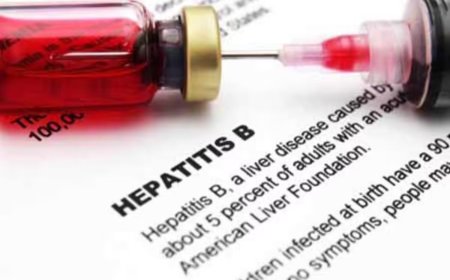
The tests included in a sexual health checkup depend on individual circumstances. A healthcare professional may recommend screening for HIV, syphilis, chlamydia, gonorrhea, hepatitis B, or hepatitis C.
Blood tests are commonly used for HIV, syphilis, and certain hepatitis infections. Urine samples or swabs may be used to test for chlamydia and gonorrhea. Depending on the type of sexual contact, a swab from the throat or rectum may also be appropriate.
Not every man needs every test. Discussing your concerns and possible exposure with a healthcare professional helps determine which tests are most relevant.
Symptoms That May Require Medical Assessment
Men should seek medical advice if they notice unusual discharge from the penis, pain or burning during urination, sores or blisters around the genital area, unexplained rashes, or testicular discomfort.
These symptoms do not always indicate an STI. Other conditions can cause similar problems, so testing and clinical assessment are important for identifying the cause.
Some infections have no symptoms at all. If you have had a possible exposure, do not wait for symptoms before asking whether testing is recommended. Seek urgent medical attention for severe pain, significant swelling, fever with genital symptoms, or other concerning changes.
Sexual Health Testing After Unprotected Sex
Sex without a condom or a condom failure may create a risk of certain STIs. The level of risk depends on the infection, the type of sexual contact, and other circumstances.
A healthcare professional can advise which tests are appropriate and when they should be performed. Testing too soon after exposure may not detect an infection, so repeat testing may sometimes be needed.
If a possible HIV exposure occurred within the past 72 hours, seek urgent medical care to discuss post-exposure prophylaxis (PEP). It should be started as soon as possible and no later than 72 hours after exposure.
How Often Should Men Get Tested?
There is no single testing schedule that applies to every man. The recommended frequency depends on factors such as age, sexual activity, partner history, and the specific infection being considered.
Men with new or multiple partners, or those whose partners have been diagnosed with an STI, may need to discuss screening with a healthcare professional. Routine testing may also be appropriate for particular age groups or exposure risks.
A negative test does not necessarily rule out an infection acquired recently. For HIV, a laboratory fourth-generation antigen/antibody test using venous blood usually detects infection around 18–45 days after exposure. Other tests have different window periods, so follow-up advice is important.
How to Prepare for a Sexual Health Checkup
Before your appointment, consider when a possible exposure occurred, whether you have symptoms, and whether you have previous test results that may be relevant. Sharing accurate information helps the healthcare professional select suitable tests.
Ask whether any preparation is required for blood, urine, or swab samples. Follow the clinic's collection instructions and ask when results will be available.
You should also ask which infections are included in the screening plan. A package described as a complete checkup may not test for every STI, and some tests may require separate samples.
Preventive Care and Sexual Health
Testing is one part of maintaining sexual health. Depending on your circumstances, a healthcare professional may also discuss condom use, hepatitis B vaccination, HPV vaccination, and HIV prevention options such as pre-exposure prophylaxis (PrEP).
If an STI is diagnosed, follow the recommended treatment and ask whether partners need testing or treatment. Avoid taking antibiotics without medical guidance, because the correct medication depends on the infection.
These conversations are a routine part of healthcare and can help you make informed decisions without relying on assumptions or unverified information.
Enfield STD Clinic for Sexual Health Testing
Men looking for a Sexual Health Checkup in Dubai can contact Enfield STD Clinic to enquire about available testing options, appointment arrangements, and costs. Before booking, confirm which infections are covered and whether consultation or follow-up is included.
If you have symptoms or a recent possible exposure, explain this when arranging care so you can receive advice about the appropriate timing and type of testing.
Final Thoughts
A sexual health checkup can help men identify possible STIs, investigate symptoms, and understand which preventive measures may be appropriate. Testing needs vary, and not every infection can be detected immediately after exposure.
If you are considering a Sexual Health Checkup in Dubai, speak with a qualified healthcare professional about your circumstances and the tests that may be suitable. Appropriate screening and timely follow-up can support better sexual health and informed decision-making.
What's Your Reaction?
 Like
0
 Dislike
0
 Love
0
 Funny
0
 Angry
0
 Sad
0
 Wow
0