



















Sunflower Oil Price Forecast 2026: Latest Trends, Demand Insights and Market News
The global Sunflower Oil Prices experienced a firm upward trend during the quarter, supported by tightening feedstock availability
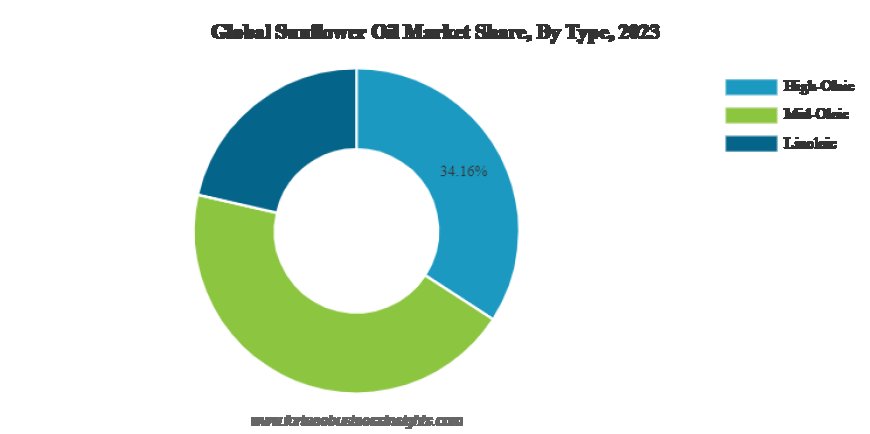
According to ChemAnalyst, The global Sunflower Oil Prices experienced a firm upward trend during the quarter, supported by tightening feedstock availability, reduced export shipments from key producing regions, rising freight costs, and sustained demand from food processing and biodiesel sectors. Sunflower oil remains one of the most widely consumed edible oils worldwide due to its nutritional profile, high smoke point, and extensive applications in cooking, food manufacturing, cosmetics, and industrial products.
The market remained particularly sensitive to developments in the Black Sea region, which accounts for a substantial share of global sunflower seed production and exports. Supply disruptions, logistical bottlenecks, and fluctuating agricultural yields significantly influenced global trade flows, leading to price increases across major importing and consuming regions.
According to market assessments, Sunflower Oil prices increased across North America, Asia-Pacific, and Europe during the quarter, reflecting ongoing supply-side pressures and elevated procurement costs. Market participants closely monitored harvest conditions, export policies, transportation costs, and biodiesel demand trends that continued to shape pricing dynamics throughout the period.
Factors Influencing Sunflower Oil Prices
Several interconnected factors contributed to the rise in Sunflower Oil prices globally during the quarter:
Tight Feedstock Availability
Sunflower seed availability remained constrained due to lower inventories and supply limitations in major producing countries. Reduced seed availability increased crushing costs for processors, resulting in higher sunflower oil production expenses and elevated market prices.
Reduced Black Sea Exports
The Black Sea region continues to dominate global sunflower oil trade. Any reduction in exports from countries within this region directly impacts international supply chains. During the quarter, lower shipment volumes tightened global availability and increased import dependency for consuming nations.
Rising Freight and Logistics Costs
Global transportation and freight costs remained elevated, increasing the landed cost of imported sunflower oil. Importers faced higher procurement expenses, particularly in Asia and Europe, where significant portions of sunflower oil demand are met through imports.
Strong Food Industry Demand
Demand from food manufacturers, restaurants, packaged food producers, and snack manufacturers remained robust. Sunflower oil's versatility and health benefits continued to support steady consumption across developed and emerging economies.
Biodiesel Sector Consumption
The growing use of vegetable oils in biodiesel production further tightened available supplies. In several European countries, increased biodiesel blending requirements contributed to stronger demand for sunflower oil and other edible oils.
Agricultural Production Challenges
Weather-related uncertainties and crop yield fluctuations in major sunflower-growing regions affected market sentiment. Concerns regarding future harvest volumes encouraged precautionary buying activity and supported higher prices.
Get Real time Prices for Sunflower Oil Prices: https://www.chemanalyst.com/Pricing-data/sunflower-oil-1315
Sunflower Oil Prices in North America
United States Market Analysis
The United States Sunflower Oil market registered notable gains during the quarter as supply constraints and global trade disruptions impacted domestic pricing.
The Sunflower Oil Price Index in the USA increased by approximately 6.7% quarter-over-quarter, reflecting tighter feedstock availability and elevated procurement costs. Market participants faced challenges securing sufficient sunflower oil supplies as export availability from key producing regions remained limited.
Average Sunflower Oil prices during the quarter reached approximately USD 11,940.33 per metric ton. The price increase was primarily attributed to restricted global exports and rising raw material costs.
Domestic demand remained stable across food processing industries, where sunflower oil is widely used in frying applications, packaged foods, bakery products, and snack manufacturing. The continued preference for healthier edible oils also supported consumption levels.
Importers encountered increased purchasing costs due to higher international prices and elevated freight rates. Market participants reported that reduced export availability from the Black Sea region created additional pressure on supply chains, forcing buyers to secure inventories at higher prices.
Furthermore, inflationary pressures affecting transportation, storage, and distribution expenses contributed to the overall rise in Sunflower Oil prices. Despite these challenges, demand fundamentals remained healthy, supporting a firm pricing environment throughout the quarter.
Key Drivers in North America
- Tight feedstock availability
- Reduced export supplies from major producing countries
- Elevated import costs
- Strong food industry demand
- Higher transportation and logistics expenses
- Stable consumer consumption patterns
Sunflower Oil Prices in Asia-Pacific
China Market Analysis
China's Sunflower Oil market witnessed a positive pricing trend during the quarter, driven by tightening global supplies and rising import costs.
The Sunflower Oil Price Index in China increased quarter-over-quarter as international sunflower seed availability remained constrained. Market participants faced increased competition for available supplies, leading to stronger procurement costs.
March saw a significant strengthening in Sunflower Oil spot prices as reduced Black Sea shipments limited import arrivals. Simultaneously, higher freight rates increased the cost of imported products, further supporting price gains across the domestic market.
China remains heavily dependent on imported edible oils to meet growing consumption requirements. Consequently, any disruptions in global supply chains have a direct impact on domestic prices. During the quarter, importers encountered challenges securing competitively priced cargoes due to tightening international availability.
Food processing demand remained resilient, particularly from the packaged food, restaurant, and catering sectors. As economic activity continued to recover, consumption levels remained supportive of stronger market fundamentals.
Additionally, concerns regarding future supply availability encouraged inventory replenishment among buyers. Many market participants increased purchases to secure supplies ahead of potential further price increases, contributing to upward market momentum.
Key Drivers in APAC
- Tight global sunflower seed supplies
- Increased import costs
- Reduced Black Sea export shipments
- Higher international freight rates
- Strong food processing demand
- Inventory replenishment activity
Sunflower Oil Prices in Europe
Germany Market Analysis
Germany's Sunflower Oil market also experienced upward price movement during the quarter, supported by tighter regional supply conditions and increasing import costs.
The Sunflower Oil Price Index rose quarter-over-quarter as reduced global availability constrained supply across European markets. Importers faced elevated procurement costs amid tighter export volumes from traditional supplier nations.
Sunflower Oil spot prices strengthened significantly in March due to reduced Black Sea shipments and growing biodiesel demand. The combination of lower import arrivals and increased industrial consumption created a tighter supply-demand balance, supporting price gains.
Germany remains a major consumer of vegetable oils for both food and renewable energy applications. Demand from biodiesel producers continued to increase as sustainability initiatives and renewable fuel mandates supported vegetable oil consumption.
The food industry also maintained healthy purchasing activity, particularly from bakery, confectionery, and processed food manufacturers. These sectors continued to rely on sunflower oil due to its functional properties and consumer preference for healthier cooking oils.
Higher logistics expenses and rising import costs further amplified pricing pressure. Market participants remained cautious regarding future supply availability, particularly given ongoing uncertainties affecting global agricultural production and export flows.
Key Drivers in Europe
- Tight regional supply availability
- Reduced Black Sea exports
- Rising import costs
- Strong biodiesel demand
- Stable food manufacturing consumption
- Elevated freight and logistics expenses
Track real time for Sunflower Oil Prices and market trends on ChemAnalyst: https://www.chemanalyst.com/ChemAnalyst/PricingForm?Product=Sunflower%20Oil
Global Supply and Demand Outlook
The global Sunflower Oil market is expected to remain sensitive to developments in agricultural production and international trade during upcoming quarters.
Supply conditions will largely depend on sunflower seed harvest outcomes in major producing countries. Favorable weather conditions and improved crop yields could help ease supply constraints and stabilize prices. However, any adverse weather events or production disruptions may continue to support elevated pricing levels.
Demand is expected to remain strong across food processing, retail, and biodiesel sectors. Growing consumer awareness regarding healthier edible oils and increasing industrial applications are likely to sustain long-term market growth.
International trade flows will continue to play a crucial role in shaping regional price trends. Import-dependent nations remain vulnerable to disruptions in export availability, freight markets, and geopolitical developments affecting key supply regions.
Future Price Forecast for Sunflower Oil
Market analysts anticipate that Sunflower Oil prices may remain firm in the near term due to ongoing supply-side uncertainties and steady demand fundamentals.
Several factors are expected to influence future market performance:
- Harvest outcomes in major sunflower-producing countries
- Export policies and trade regulations
- Freight market developments
- Biodiesel industry growth
- Global edible oil demand trends
- Weather-related agricultural risks
If sunflower seed production improves and export volumes recover, price growth could moderate. However, persistent supply limitations and strong industrial demand may continue to support higher pricing levels across major global markets.
Conclusion
The Sunflower Oil market recorded significant price increases across North America, Asia-Pacific, and Europe during the quarter. Tight feedstock availability, reduced Black Sea exports, higher freight costs, and strong demand from food and biodiesel sectors collectively supported upward pricing momentum.
In the United States, prices rose by 6.7% quarter-over-quarter, with average prices reaching approximately USD 11,940.33 per metric ton. China experienced stronger prices due to reduced import arrivals and higher freight expenses, while Germany saw firm gains supported by tight regional supplies and robust biodiesel demand.
Looking ahead, the market's trajectory will depend on crop production, export availability, transportation costs, and global demand patterns. While supply improvements could ease pricing pressure, ongoing uncertainties suggest that Sunflower Oil prices may remain elevated in the near future, making the commodity a closely watched segment within the global edible oils market.
About Us:
Welcome to ChemAnalyst, a next–generation platform for chemical and petrochemical intelligence where innovation meets practical insight. Recognized as “Product Innovator of the Year 2023” and ranked among the “Top 100 Digital Procurement Solutions Companies,” we lead the digital transformation of the global chemical sector. Our online platform helps companies handle price volatility with structured analysis, real-time pricing, and reliable news and deal updates from across the world. Tracking over 500 chemical prices in more than 40 countries becomes simple and efficient with us.
Contact Us:
ChemAnalyst
United States
Call +1 3322586602
420 Lexington Avenue, Suite 300, New York, NY,
United States, 10170
Email: [email protected]
Website: https://www.chemanalyst.com/
LinkedIn: https://www.linkedin.com/company/chemanalyst/
Facebook: https://www.facebook.com/ChemAnalysts/
Twitter: https://x.com/chemanalysts
YouTube: https://www.youtube.com/@chemanalyst
Instagram: https://www.instagram.com/chemanalyst_
What's Your Reaction?
 Like
0
Like
0
 Dislike
0
Dislike
0
 Love
0
Love
0
 Funny
0
Funny
0
 Angry
0
Angry
0
 Sad
0
Sad
0
 Wow
0
Wow
0