


















Supply Chain Europe 2026: Top Logistics Trends to Watch Ahead

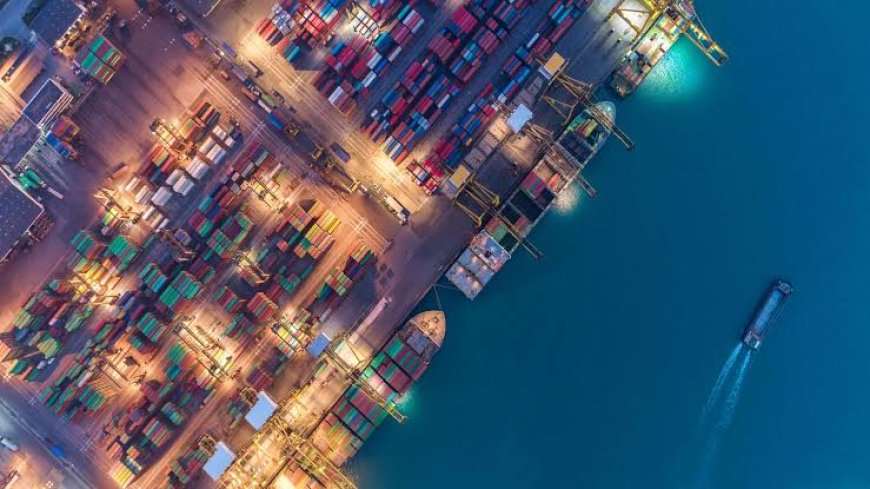
The logistics industry is entering a new phase of growth. Businesses are no longer focused only on moving goods from one place to another. They are investing in smarter technologies, sustainable transportation, digital visibility and faster delivery systems to meet changing customer expectations. As global trade continues to evolve, companies need innovative solutions that improve efficiency while reducing operational costs and environmental impact.
Supply Chain Europe 2026 is expected to become one of the most important events for professionals looking to stay ahead of these changes. The exhibition will bring together logistics providers, manufacturers, warehouse experts, technology companies, automation specialists and supply chain leaders from around the world. It offers a valuable opportunity to explore the latest innovations, discover practical business solutions and build long term industry partnerships.
Whether you are planning to exhibit or visit, understanding the major logistics trends shaping the future will help you make the most of the event. This guide highlights the top logistics trends expected to influence Supply Chain Europe 2026 and explains why these developments matter for businesses of every size.
1. Artificial Intelligence Is Becoming a Daily Business Tool
Artificial Intelligence (AI) is no longer limited to research projects or large technology companies. Today, businesses of all sizes are using AI to improve logistics operations and make faster, more accurate decisions.
At Supply Chain Europe 2026, visitors can expect to see AI powered solutions for:
-
Demand forecasting
-
Inventory management
-
Route planning
-
Warehouse automation
-
Delivery scheduling
-
Customer service support
AI helps companies analyze large amounts of data quickly, allowing them to reduce waste, improve planning and respond more effectively to changing market conditions.
2. Smart Warehouses Continue to Grow
Modern warehouses are becoming more efficient through automation and digital technology. Instead of relying only on manual processes, businesses are investing in intelligent systems that improve productivity and reduce errors.
Some of the warehouse innovations expected at the event include:
-
Automated storage systems
-
Smart inventory tracking
-
Robotic picking solutions
-
Barcode and RFID technology
-
Warehouse Management Systems (WMS)
-
Real time inventory monitoring
These technologies help businesses process orders faster while maintaining high levels of accuracy.
3. Sustainability Is a Business Priority
Environmental responsibility has become an essential part of logistics planning. Customers, investors and governments are encouraging businesses to reduce carbon emissions and adopt greener operations.
Supply Chain Europe 2026 will highlight solutions such as:
-
Electric delivery vehicles
-
Energy efficient warehouses
-
Sustainable packaging materials
-
Carbon tracking software
-
Route optimization systems
-
Recycling and circular logistics strategies
Companies that invest in sustainable logistics not only support environmental goals but also improve their brand reputation and long term operational efficiency.
4. Greater Supply Chain Visibility
Businesses want complete visibility across every stage of the supply chain. Knowing where products are, how inventory is performing and when shipments will arrive helps companies make better decisions.
Visitors will discover technologies that provide:
-
Live shipment tracking
-
Inventory visibility
-
Supplier monitoring
-
Delivery performance analytics
-
Customer order updates
-
Predictive reporting
Improved visibility reduces delays, prevents shortages and increases customer satisfaction.
5. Automation Is Expanding Beyond Warehouses
Automation now supports many logistics processes beyond warehouse operations.
Companies are adopting automated solutions for:
-
Packaging
-
Sorting
-
Transportation planning
-
Material handling
-
Inventory replenishment
-
Order processing
These technologies help businesses reduce manual work while improving operational consistency and productivity.
6. Data Analytics Is Driving Better Decisions
Modern logistics depends on accurate business intelligence.
Companies collect information from transportation systems, warehouses, suppliers and customers to improve performance.
Analytics tools help businesses:
-
Predict customer demand
-
Reduce transportation costs
-
Improve inventory planning
-
Measure supplier performance
-
Identify operational improvements
At Supply Chain Europe 2026, visitors will find advanced software designed to turn complex data into practical business insights.
7. Last Mile Delivery Is Receiving More Attention
Customer expectations for faster deliveries continue to increase.
Businesses are investing in better last mile delivery solutions to improve speed and reliability.
Innovations may include:
-
Smart delivery routing
-
Local fulfillment centers
-
Delivery tracking platforms
-
AI based scheduling
-
Electric delivery fleets
Improving the final stage of delivery helps businesses increase customer satisfaction while lowering transportation costs.
8. Cloud Based Logistics Platforms
Cloud technology allows businesses to manage logistics operations from anywhere.
Cloud based systems improve collaboration between suppliers, warehouses, transportation providers and customers.
Benefits include:
-
Real time information sharing
-
Remote system access
-
Better scalability
-
Lower infrastructure costs
-
Improved business continuity
Cloud solutions continue to become an essential part of modern supply chain management.
9. Robotics Is Improving Operational Efficiency
Robotics is transforming warehouse and logistics operations.
Visitors attending Supply Chain Europe 2026 can explore robotic technologies designed for:
-
Product picking
-
Pallet movement
-
Packaging
-
Inventory handling
-
Automated transportation
Robots help companies increase productivity while reducing repetitive manual tasks.
10. Stronger Supply Chain Resilience
Recent global disruptions have shown the importance of preparing for unexpected challenges.
Businesses are now investing in strategies that improve resilience through:
-
Multiple supplier networks
-
Better demand forecasting
-
Emergency inventory planning
-
Risk management software
-
Digital monitoring systems
Building resilience helps organizations continue operations during supply chain disruptions.
11. Internet of Things (IoT) Is Expanding Across Logistics
Connected devices are helping businesses monitor products, vehicles, warehouses and equipment in real time.
IoT technology provides valuable information such as:
-
Vehicle location
-
Temperature monitoring
-
Equipment performance
-
Inventory movement
-
Warehouse conditions
This improves decision making while reducing operational risks.
12. Customer Experience Is Becoming More Important
Logistics is no longer only about transportation.
Companies now compete by providing better customer experiences through:
-
Faster deliveries
-
Accurate order tracking
-
Reliable communication
-
Flexible delivery options
-
Quick issue resolution
Technology helps businesses deliver better service while improving customer loyalty.
Why Supply Chain Europe 2026 Matters
Supply Chain Europe 2026 provides a unique opportunity to experience these logistics trends firsthand.
Visitors can:
-
Watch live product demonstrations
-
Compare technology providers
-
Meet international suppliers
-
Learn from industry experts
-
Discover innovative business solutions
-
Build valuable partnerships
Instead of reading about future logistics trends, attendees can see them working in real business environments.
Professional Exhibition Stands Help Companies Stand Out
Competition at international exhibitions is strong.
A professionally designed exhibition stand helps businesses attract visitors, communicate their expertise and create lasting impressions.
Many international exhibitors choose an experienced Exhibition Stand Builders Company in Germany to develop customized booths that support product demonstrations, business meetings and lead generation throughout the event.
An attractive stand increases visitor engagement while strengthening brand recognition.
Networking Creates Long Term Opportunities
One of the greatest benefits of Supply Chain Europe 2026 is the opportunity to meet professionals from across the global logistics industry.
Networking can lead to:
-
Supplier partnerships
-
Distribution agreements
-
Customer relationships
-
Technology collaborations
-
International business opportunities
Many successful business relationships begin with conversations held during trade exhibitions.
Learning from Industry Leaders
The exhibition will feature presentations and discussions covering important industry topics, including:
-
Digital transformation
-
Warehouse automation
-
Artificial Intelligence
-
Sustainability
-
Transportation innovation
-
Supply chain resilience
-
Future logistics strategies
These educational sessions provide practical knowledge that businesses can apply immediately.
Companies preparing for international exhibitions often rely on Stand Builders GmbH for customized stand solutions that reflect their brand identity while creating an engaging visitor experience.
Preparing for Future Success
Businesses that understand emerging logistics trends are better prepared to compete in changing markets.
Planning ahead allows companies to:
-
Upgrade technology
-
Improve operational efficiency
-
Reduce costs
-
Increase customer satisfaction
-
Strengthen supply chain performance
Some exhibitors also gather inspiration from an experienced exhibition stand builder in Amsterdam to explore creative booth concepts that encourage visitor interaction and enhance brand visibility.
Conclusion
The logistics industry continues to evolve through automation, digital transformation, sustainability and intelligent technologies. Companies that adapt to these changes will be better positioned to improve efficiency, reduce costs and meet growing customer expectations.
Supply Chain Europe 2026 offers an ideal platform for discovering these innovations, connecting with industry experts and building partnerships that support long term business growth. From AI powered logistics software and smart warehouses to sustainable transportation and advanced data analytics, the exhibition highlights the technologies shaping the future of global logistics.
Whether you are an exhibitor looking to showcase innovative solutions or a visitor searching for new business opportunities, attending Supply Chain Europe 2026 can provide valuable insights and meaningful connections. Staying informed about these logistics trends today will help businesses build stronger, smarter and more resilient supply chains for the years ahead.
What's Your Reaction?
 Like
0
Like
0
 Dislike
0
Dislike
0
 Love
0
Love
0
 Funny
0
Funny
0
 Angry
0
Angry
0
 Sad
0
Sad
0
 Wow
0
Wow
0