Teeth Grinding at Night: Causes, Symptoms and Treatment
Teeth grinding, or bruxism, occurs when a person repeatedly clenches or grinds their teeth.

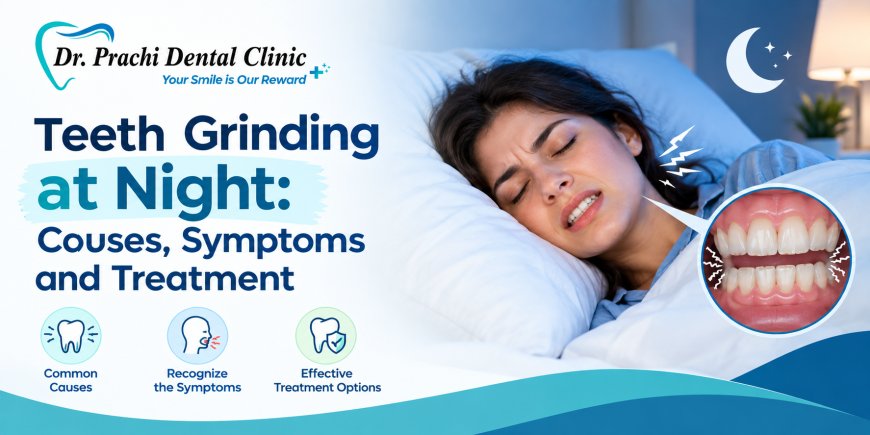
Do you wake up with jaw pain, a headache, or sensitive teeth? These symptoms may sometimes be linked to teeth grinding at night, a condition known as sleep bruxism. It involves involuntary clenching or grinding of the teeth while sleeping and can gradually affect your teeth, jaw muscles, and overall oral health.
Occasional teeth grinding may not cause significant problems, but frequent or intense grinding can lead to tooth wear, cracks, jaw discomfort, and other dental concerns. Consulting a Best Dentist in Jhotwara can help identify the signs of bruxism and determine whether treatment is needed.
What Is Teeth Grinding?
Teeth grinding, or bruxism, occurs when a person repeatedly clenches or grinds their teeth. When it happens during sleep, it is called sleep bruxism. Because the person may not be aware that they are doing it, the condition is sometimes first noticed by a partner or dentist.
Grinding can place considerable pressure on the teeth and jaw. Over time, repeated pressure may wear down the protective enamel and increase the risk of dental damage.
What Causes Teeth Grinding at Night?
There is no single cause of sleep bruxism. Several physical, psychological, and lifestyle factors may contribute to it.
Stress and Anxiety
Stress is commonly associated with teeth clenching and grinding. People experiencing ongoing tension may unconsciously tighten their jaw muscles during sleep.
Sleep-Related Problems
Certain sleep disturbances may be associated with sleep bruxism. Snoring and other sleep-related breathing problems can sometimes occur alongside nighttime teeth grinding.
Lifestyle Factors
Excessive caffeine consumption, alcohol, tobacco use, and certain lifestyle habits may contribute to an increased risk of teeth grinding in some people.
Medications and Other Factors
Some medications and health-related factors may be associated with bruxism. If grinding develops after starting a medication, discuss it with your healthcare professional rather than stopping the medication independently.
Common Symptoms of Nighttime Teeth Grinding
Because sleep bruxism happens while you are asleep, you may not realize that you grind your teeth. Some common signs include:
- Morning jaw stiffness or soreness
- Frequent headaches, particularly around the temples
- Tooth sensitivity
- Flattened, worn, or chipped teeth
- Increased tooth pain
- Facial muscle discomfort
- Jaw clicking or discomfort
- Indentations on the tongue or cheeks
A partner may also notice grinding or clenching sounds during sleep.
A Dentist in Jaipur can examine your teeth for unusual wear patterns and other signs that may indicate bruxism.
How Can Teeth Grinding Damage Your Teeth?
Repeated grinding can gradually wear away enamel, making teeth more sensitive and vulnerable to damage. Severe grinding may contribute to chipped or cracked teeth and can put additional stress on existing fillings, crowns, or other restorations.
Continued pressure on the jaw muscles may also contribute to discomfort around the jaw joint, commonly known as the temporomandibular joint (TMJ).
Treatment Options for Teeth Grinding
Treatment depends on the severity and possible causes of bruxism. A dentist may recommend one or more approaches.
Custom Night Guards
A custom-fitted night guard can create a protective barrier between the upper and lower teeth. It can help reduce direct tooth-to-tooth contact and protect teeth from excessive wear.
Stress Management
If stress or anxiety appears to contribute to grinding, relaxation techniques, regular physical activity, improved sleep habits, or professional stress-management support may be helpful.
Treating Underlying Dental Problems
If uneven tooth surfaces, damaged teeth, or other dental concerns are contributing to discomfort, appropriate dental treatment may be recommended.
Addressing Sleep-Related Concerns
If symptoms suggest an underlying sleep disorder, a dentist or doctor may recommend further evaluation by an appropriate healthcare professional.
How Can You Reduce Nighttime Teeth Grinding?
While not every case can be prevented, healthy habits may help reduce contributing factors:
- Maintain a consistent sleep schedule.
- Limit excessive caffeine, particularly later in the day.
- Avoid tobacco and excessive alcohol.
- Practice relaxation techniques before bedtime.
- Avoid chewing gum excessively if your jaw is already sore.
- Attend regular dental check-ups.
- Seek professional advice if you notice tooth wear or persistent jaw pain.
When Should You Visit a Dentist?
Occasional jaw tension may not require treatment, but persistent grinding should not be ignored. Visit a Best Dentist in Jhotwara if you experience frequent morning jaw pain, unexplained headaches, tooth sensitivity, chipped teeth, or visible tooth wear.
Early evaluation can help identify damage and prevent further deterioration.
Final Thoughts
Nighttime teeth grinding can gradually affect your teeth and jaw even when you do not notice it happening. Recognizing symptoms such as morning jaw soreness, headaches, tooth sensitivity, and enamel wear can help you seek timely care.
A Dentist in Jaipur can assess your teeth, identify signs of bruxism, and recommend suitable protective measures or treatment based on your individual needs. With appropriate dental care and healthy lifestyle habits, the effects of nighttime grinding can often be managed effectively.
People Also Ask
1. Is teeth grinding at night a serious problem?
Frequent or severe teeth grinding can damage enamel, increase tooth sensitivity, and contribute to jaw discomfort. A dental evaluation can help determine the severity and appropriate management.
2. Can stress cause teeth grinding?
Stress and anxiety can contribute to clenching and grinding in some people. Managing stress and maintaining healthy sleep habits may help reduce these behaviors.
3. Can a night guard stop teeth grinding?
A night guard primarily protects the teeth from direct grinding and reduces the risk of tooth damage. It may not eliminate the underlying tendency to grind.
4. How do I know if I grind my teeth while sleeping?
Morning jaw soreness, headaches, tooth sensitivity, flattened teeth, or reports from a sleeping partner about grinding sounds can be signs. A Best Dentist in Jhotwara can also identify characteristic tooth wear during an examination.
What's Your Reaction?
 Like
0
 Dislike
0
 Love
0
 Funny
0
 Angry
0
 Sad
0
 Wow
0