
























The Difference Between Cosmetic and Medical Skin Lesion Removal

The Difference Between Cosmetic and Medical Skin Lesion Removal
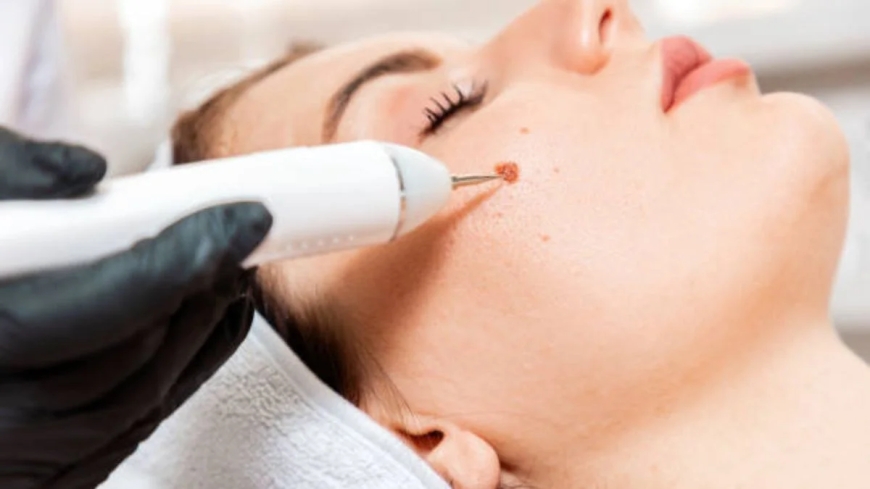
When exploring the options for Skin Lesion Removal in Riyadh, patients often discover that their motivations fall into two distinct categories: medical necessity and cosmetic preference. While the physical removal process for a lesion may sometimes look similar regardless of the underlying reason, the clinical approach, insurance considerations, and urgency behind these two paths can vary significantly. Understanding the distinction between these categories helps patients better navigate their options and communicate their goals clearly when meeting with a dermatologist or specialist.
Defining Medical Removal
Medical removal is generally performed when a skin lesion poses a health risk or causes persistent physical discomfort. The primary objective in these cases is patient safety and the cessation of symptoms.
When Is Removal Considered "Medical"?
-
Suspicion of Malignancy: If a lesion displays signs of being precancerous or cancerous (such as irregular borders, rapid growth, or bleeding), removal is not an option—it is a medical requirement. In these instances, the tissue is typically sent to a laboratory for a biopsy to confirm a diagnosis.
-
Functional Interference: Some lesions, such as those located on eyelids, lips, or areas prone to constant pressure, can interfere with normal bodily functions.
-
Persistent Symptoms: A lesion that is chronically inflamed, infected, or painful—such as a cyst that repeatedly ruptures—is often deemed medically necessary for removal to prevent recurring health issues.
The Focus of the Procedure
The priority during a medical removal is the complete extraction of the lesion, including any necessary margins to ensure that no abnormal cells remain. While surgeons are always mindful of the final appearance, the clinical safety of the patient is the absolute priority.
Defining Cosmetic Removal
Cosmetic removal is performed when the lesion is deemed benign and does not pose a health risk, but the patient wishes to have it removed for aesthetic reasons. In this context, the goal is to enhance the appearance of the skin and improve the patient's confidence.
Common Cosmetic Motivations
-
Appearance: A mole or skin tag on the face, neck, or décolletage may be seen as distracting, leading the patient to seek a smoother, more uniform skin texture.
-
Psychological Comfort: Even if a lesion is physically harmless, if it causes self-consciousness or emotional distress, its removal is a valid and common cosmetic decision.
-
Clothing Friction: While a skin tag on the torso might be considered cosmetic, it is often removed because it is an annoyance that catches on clothing, even if it is not technically causing a medical infection.
The Focus of the Procedure
In cosmetic cases, the dermatologist focuses heavily on the final aesthetic outcome. The techniques used are chosen to minimize scarring and promote rapid healing, ensuring that the spot where the lesion was once located blends as seamlessly as possible with the surrounding skin.
Key Differences in the Patient Experience
While both pathways ultimately lead to the removal of the unwanted growth, the journey for the patient can look quite different.
| Feature | Medical Removal | Cosmetic Removal |
| Primary Goal | Patient health and safety | Aesthetic improvement |
| Urgency | Often high; requires prompt action | Low; planned at the patient's convenience |
| Assessment | Rigorous (biopsy often required) | Focused on appearance and safety |
| Outcome Focus | Disease control | Scar minimization and texture |
The Role of Professional Assessment
Regardless of your primary motivation, every skin lesion should be professionally evaluated before any removal process begins. It is a common misconception that a lesion must be "medical" to be examined; in reality, even patients seeking purely cosmetic removal must undergo a screening.
Why Screening Remains Essential
Sometimes, what a patient perceives as a simple, purely cosmetic blemish is actually a lesion that requires closer medical attention. Dermatologists are trained to distinguish between various skin conditions, and their assessment serves as a safety filter. By examining the lesion with specialized tools, they ensure that:
-
The lesion is truly benign.
-
The most appropriate removal technique is chosen.
-
The patient's long-term skin health is protected.
Choosing the Best Approach
If you are considering the removal of a lesion, start by identifying whether your primary concern is the potential health impact or the visual aspect. During your consultation, be transparent with your specialist about both your medical history and your desired aesthetic goals. By clearly communicating why you want the procedure, you allow the clinician to tailor the treatment plan to your specific needs.
Whether your goal is to address a health concern or simply to clear your skin for personal satisfaction, the modern options available ensure that the process is safe, efficient, and oriented toward the results you desire. By taking this proactive step, you can enjoy better skin health and greater confidence.
What's Your Reaction?
 Like
0
Like
0
 Dislike
0
Dislike
0
 Love
0
Love
0
 Funny
0
Funny
0
 Angry
0
Angry
0
 Sad
0
Sad
0
 Wow
0
Wow
0