


















The Rise of the Coffee Roasting Machine: Transforming Beans Into Liquid Gold
The Rise of the Coffee Roasting Machine: Transforming Beans Into Liquid Gold

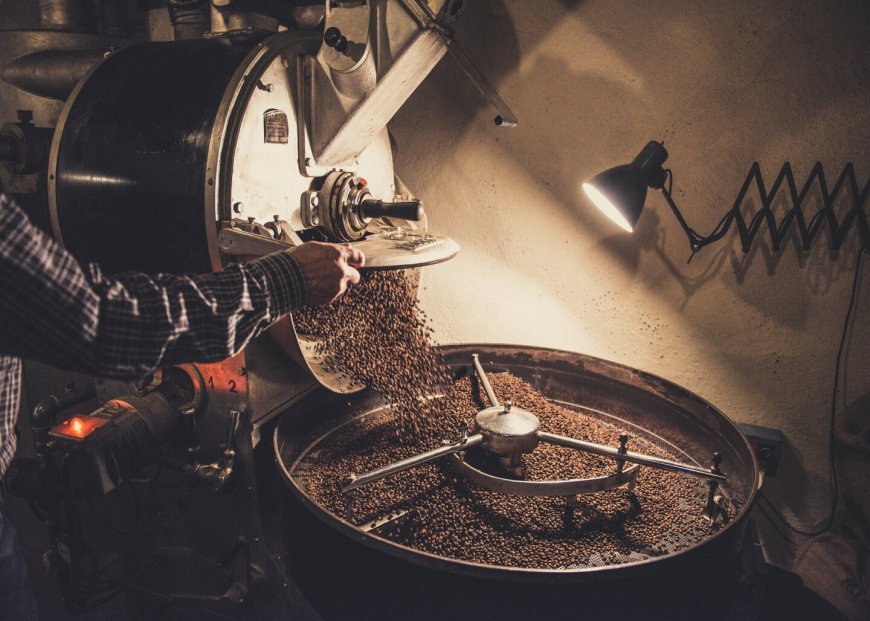
For anyone who has ever taken a sip of truly exceptional coffee, one thing quickly becomes clear: flavor isn’t just born on the farm—it’s crafted through the magic of roasting. At the heart of this process lies an essential tool shaping the modern coffee industry: the coffee roasting machine. From small artisan shops to global coffee brands, these machines have become the backbone of quality, innovation, and consistency. But beyond their shiny stainless steel drums and precise temperature controls, coffee roasting machines are a catalyst for creativity, entrepreneurship, and a deeper appreciation of the beverage billions rely on every day.
In this article, we explore how the coffee roasting machine works, why it matters, and how it is fueling a global movement toward better, fresher, and more personalized coffee experiences.
Understanding the Role of a Coffee Roasting Machine
A coffee roasting machine is far more than a mechanical device—it’s a flavor-crafting engine. Green coffee beans, which are raw, grassy, and almost odorless, must undergo a carefully controlled roasting process to unlock their aromatic potential. The roaster determines whether the final cup tastes fruity, chocolatey, smoky, nutty, floral, or anything in between.
By applying heat, airflow, and timing, a roasting machine transforms the chemical composition of the bean. This process releases moisture, triggers the Maillard reaction, caramelizes sugars, and creates the flavor compounds we identify as coffee. In many ways, the machine bridges science and art, giving roasters the tools to express their creativity through every batch.
How a Coffee Roasting Machine Works
To appreciate its importance, it helps to understand the basic mechanics of a coffee roasting machine. While designs vary, most machines share core components that guide beans from raw to roasted perfection.
1. Loading and Preheating
The roasting chamber is preheated to ensure stability. Roasters load the green beans into a rotating drum or an air-roasting chamber.
2. Heat Application
The machine uses gas, electricity, or hot air to heat the beans. Temperature is increased gradually to allow even roasting and full flavor development.
3. First Crack
As the beans expand and moisture escapes, they emit a cracking sound. This signals the transition into light to medium roasts and the beginning of real flavor formation.
4. Second Crack
A deeper, more intense crack marks the start of darker roasts. At this stage, oils rise to the surface, and bold, smoky notes emerge.
5. Cooling
Once the desired roast level is reached, the machine rapidly cools the beans to stop the roasting process.
With each stage intricately controlled, the coffee roasting machine ensures consistency while enabling customization to craft unique flavor profiles.
Why Coffee Roasting Machines Are Changing the Industry
The popularity of coffee roasting machines is growing worldwide—and for good reason. They offer advantages that are reshaping both the market and consumer expectations.
1. Freshness on Demand
Consumers increasingly crave fresher, more flavorful coffee. Owning or partnering with a local roaster ensures coffee is roasted just days—or even hours—before consumption.
2. Better Quality Control
With precise temperature and airflow controls, roasters can perfect their signature flavors and maintain consistency across batches.
3. Customization and Experimentation
Coffee roasting machines encourage innovation. Roasters can adjust variables to create exclusive blends, unique single-origin roasts, and seasonal offerings.
4. Cost Savings for Cafés and Businesses
Instead of relying solely on imported roasted coffee, cafés can roast in-house to reduce costs and improve customer loyalty through personalized flavors.
5. Growing Entrepreneurship
The rise of small-batch roasting businesses has opened doors for coffee enthusiasts worldwide. With an affordable roasting machine, aspiring entrepreneurs can start their brand and build a following.
Types of Coffee Roasting Machines
Understanding the main categories of roasting machines helps make sense of their versatility and applications.
1. Drum Roasters
These traditional machines rotate beans inside a heated drum. They provide excellent control and are ideal for artisan roasters.
2. Hot Air (Fluid Bed) Roasters
Using hot air to levitate and roast the beans, these machines roast faster and produce cleaner, brighter flavor profiles.
3. Electric Roasters
Popular for small businesses and home users, these energy-efficient machines offer convenience and precision.
4. Commercial Industrial Roasters
Designed for large-scale production, these machines roast high volumes consistently while integrating automation for maximum efficiency.
Each type serves a distinct purpose, but all share one mission: achieving the perfect roast.
Choosing the Right Coffee Roasting Machine
Selecting the right roasting machine depends on several key factors:
1. Batch Size
Determine how much coffee you need to roast daily. Small-capacity roasters are great for boutique shops, while commercial models support large-scale operations.
2. Heat Source
Gas roasters offer better heat control, while electric models provide convenience and lower maintenance.
3. Automation Features
Modern machines include digital controls, data tracking, and programmable roast profiles.
4. Flavor Preference
Different machines produce different flavor outcomes. Drum roasters create deeper, richer notes, while fluid-bed roasters highlight acidity and brightness.
By aligning these factors with business goals, buyers can ensure their roasting machine supports long-term growth.
The Future of Coffee Roasting Machines
Technology is transforming the world of coffee, and roasting machines are at the forefront of this evolution. Smart roasters now offer:
-
AI-assisted roasting, predicting roast curves with precision.
-
Remote monitoring, enabling roasters to control machines via smartphone.
-
Energy-efficient designs, reducing environmental impact.
-
Advanced sensors, ensuring consistency across large volumes.
As sustainability becomes more important, manufacturers are also exploring eco-friendly materials and energy-saving mechanisms to reduce carbon footprints. The future of coffee roasting is cleaner, smarter, and more connected.
Conclusion: The Future of Flavor Begins With the Roaster
The coffee roasting machine isn’t merely a piece of equipment—it’s a vessel of possibility. It empowers artisans to craft unforgettable flavors, helps cafés build identity, and gives consumers access to fresher, more vibrant coffee. As technology continues to evolve, roasting machines will only become more intelligent, efficient, and sustainable.
The question now is not whether these machines will shape the future of coffee—they already are. The real question is: How will we use them to push the boundaries of flavor, creativity, and connection?
In a world where every cup tells a story, the coffee roasting machine ensures that story begins with quality, passion, and innovation.
What's Your Reaction?
 Like
0
Like
0
 Dislike
0
Dislike
0
 Love
0
Love
0
 Funny
0
Funny
0
 Angry
0
Angry
0
 Sad
0
Sad
0
 Wow
0
Wow
0