






















Things Every Business Should Know About Commercial Fit Outs
Learn the essential aspects of commercial fit-outs, including planning, budgeting, compliance, design, quality control, and maintenance, helping businesses create efficient, adaptable, and successful commercial spaces.

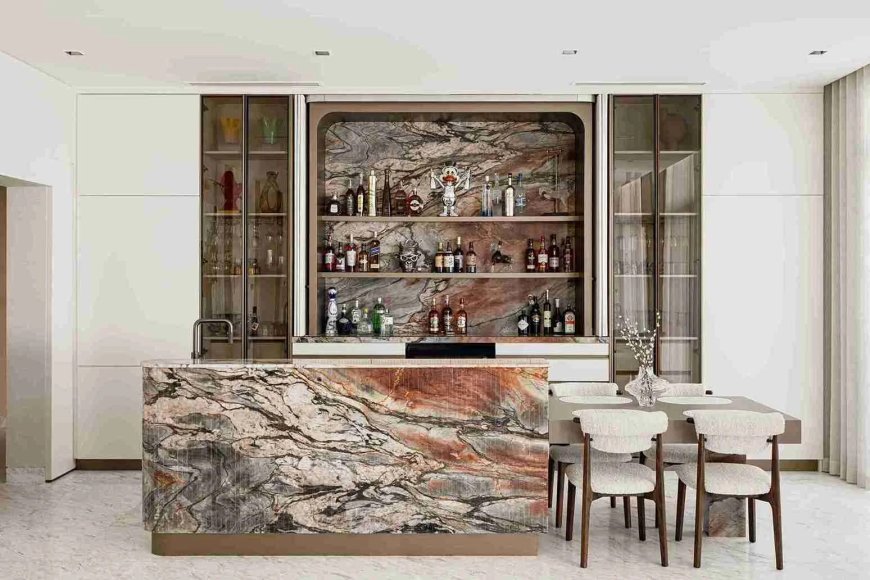
A commercial fit-out is far more than a cosmetic upgrade. It is a strategic investment that influences how a business operates, how customers perceive the brand, and how employees perform within the space. Whether setting up a new office, retail outlet, or hospitality venue, understanding the fundamentals of commercial fit-outs can make the difference between long-term success and costly setbacks.
Many businesses rush into fit-out projects without fully understanding the process, responsibilities, or potential challenges involved. By gaining clarity on key aspects early, decision-makers can plan more effectively, manage expectations, and achieve spaces that are functional, compliant, and aligned with business goals. Below are essential points every business should know before starting a commercial fit-out project.
Understanding the True Scope of a Commercial Fit Out
A commercial fit-out is not limited to installing furniture or applying finishes. It encompasses spatial planning, mechanical and electrical works, flooring, ceilings, lighting, joinery, and compliance with local regulations. Each element must work together seamlessly to support the intended use of the space.
Businesses that understand the full scope from the outset are better equipped to plan budgets and timelines realistically. Underestimating the complexity often leads to unexpected costs, rushed decisions, and compromised quality. A clear understanding of what a fit-out entails helps ensure informed decision-making at every stage.
The Importance of Strategic Planning
Successful commercial fit-outs begin long before construction starts. Planning involves defining objectives, understanding space requirements, and anticipating future growth. Without this groundwork, even well-designed interiors can fall short of operational needs.
Strategic planning also helps businesses avoid expensive rework. Decisions about layout, infrastructure, and services should be guided by how the space will be used daily. This approach ensures that the finished environment supports productivity, customer experience, and long-term adaptability.
Choosing the Right Fit Out Partner
The choice of partner plays a critical role in the success of a fit-out project. Experience, industry knowledge, and proven delivery capabilities should outweigh cost alone when selecting a provider. A reliable partner brings both technical expertise and practical insight to the table.
Working with an interior fitout company Dubai that understands commercial requirements ensures that design intent and execution remain aligned. Such professionals can guide businesses through approvals, material selection, and project coordination, reducing risk and improving outcomes.
Budgeting Beyond the Obvious Costs
Many businesses focus solely on construction costs when budgeting for a fit-out. However, there are several indirect expenses to consider, including design fees, authority approvals, contingency allowances, and potential downtime during the fit-out process.
A comprehensive budget accounts for both expected and unforeseen costs. Allowing flexibility within the financial plan helps prevent compromises on quality and functionality if adjustments become necessary during the project.
Compliance with Regulations and Safety Standards
Commercial spaces must meet strict building codes, safety regulations, and industry-specific requirements. These standards exist to protect occupants and ensure safe operation, but they can be complex to navigate without professional guidance.
Non-compliance can result in delays, fines, or even the inability to operate the space legally. Engaging a knowledgeable fit out contractor in Dubai ensures that all works meet regulatory requirements while maintaining design and performance standards.
Designing for Function, Not Just Appearance
While visual appeal is important, functionality should always come first in a commercial fit-out. Layouts must support workflow efficiency, accessibility, and comfort for both employees and customers. A beautiful space that hinders daily operations ultimately becomes a liability.
Design decisions should be informed by how the space will be used in real-world conditions. Lighting, acoustics, storage, and circulation all contribute to usability and should be considered alongside aesthetics to create a balanced environment.
Managing Timelines Realistically
Time is a critical factor in commercial fit-out projects. Delays can impact business operations, lease agreements, and revenue generation. Unrealistic timelines often stem from inadequate planning or underestimating approval processes and construction complexity.
Businesses benefit from setting achievable schedules and working with partners who communicate transparently about progress and potential risks. A realistic timeline allows for quality workmanship without unnecessary pressure or shortcuts.
Planning for Future Flexibility
Commercial needs evolve over time, and fit-outs should account for this reality. Designing spaces with flexibility in mind allows businesses to adapt layouts, technology, and functions without major disruption or expense in the future.
Modular elements, adaptable infrastructure, and scalable systems provide long-term value. Businesses that plan beyond immediate needs are better positioned to grow and respond to changing market conditions.
Communication Throughout the Fit Out Process
Clear communication between stakeholders is essential from start to finish. Misunderstandings regarding scope, materials, or expectations can quickly escalate into delays and additional costs. Regular updates and documented decisions help maintain alignment.
Businesses should ensure there is a single point of contact responsible for coordination. This streamlines communication, reduces confusion, and ensures accountability throughout the fit-out journey.
Quality Control and Final Handover
The final stages of a commercial fit-out are just as important as the beginning. Thorough inspections, snag lists, and proper documentation ensure that the completed space meets agreed standards before handover.
Taking the time to address issues at this stage prevents operational disruptions later. A structured handover process provides clarity on warranties, maintenance requirements, and long-term care of the fitted space.
Post-Fit Out Maintenance and Long-Term Care
Completing a commercial fit out does not mark the end of responsibility for a business. Regular maintenance is necessary to ensure that finishes, fixtures, and installed systems continue to perform as intended. High-traffic commercial environments experience constant use, making ongoing care essential to preserving both functionality and appearance over time.
Long-term care also plays a role in cost management and operational stability. Addressing minor issues early can prevent more significant repairs and unexpected downtime later. By understanding maintenance requirements and warranty conditions, businesses can extend the lifespan of their interiors while maintaining a professional and consistent environment.
A Broader Perspective on Commercial Fit Outs
Commercial fit-outs are complex projects that demand careful planning, informed decisions, and experienced execution. Businesses that approach fit-outs strategically gain more than a finished interior—they gain spaces that support growth, efficiency, and brand identity.
By understanding the key aspects involved and working with the right professionals, businesses can navigate the process confidently and achieve results that deliver lasting value well beyond opening day.
What's Your Reaction?
 Like
0
Like
0
 Dislike
0
Dislike
0
 Love
0
Love
0
 Funny
0
Funny
0
 Angry
0
Angry
0
 Sad
0
Sad
0
 Wow
0
Wow
0