



























What Are Features of Medical Accounts Receivable Service?

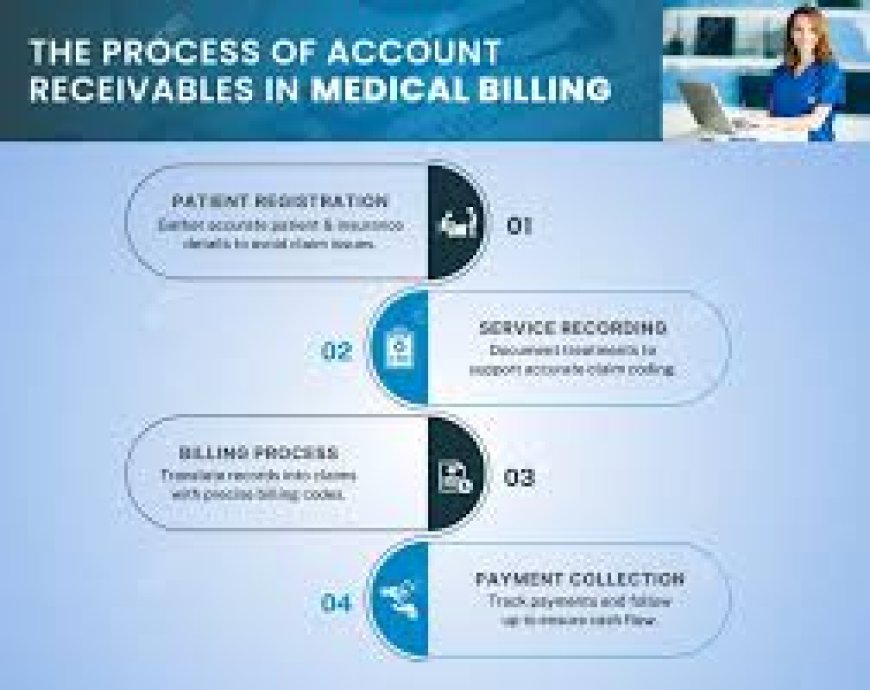
In today’s evolving healthcare landscape, managing payments efficiently is just as important as delivering quality care. Healthcare organizations increasingly rely on structured revenue processes to maintain financial stability and reduce delays in reimbursements. One of the most essential components of this system is the Medical Accounts Receivable Service USA, which plays a critical role in ensuring that healthcare providers receive timely payments for services rendered while maintaining a smooth financial workflow.
This service is not just about tracking unpaid claims—it is a complete system designed to monitor, manage, and optimize the entire payment lifecycle. Understanding its features helps healthcare organizations improve efficiency, reduce revenue leakage, and maintain a healthier financial ecosystem.
Understanding Medical Accounts Receivable Services
Medical accounts receivable services focus on managing outstanding payments owed to healthcare providers by insurance companies and patients. These services are part of the broader revenue cycle management process and are essential for maintaining consistent cash flow in medical organizations.
Core Function in Healthcare Revenue Cycle
The primary function of accounts receivable management is to ensure that every claim submitted is properly tracked until payment is received. This involves monitoring claim status, identifying delays, correcting errors, and following up with payers. By maintaining a structured follow-up system, healthcare providers can significantly reduce outstanding balances and improve financial performance.
Medical accounts receivable services act as the bridge between claim submission and final reimbursement, ensuring that no claim is overlooked or left unresolved.
Key Features of Medical Accounts Receivable Service
The effectiveness of accounts receivable management depends on a set of well-defined features that streamline financial operations and reduce revenue cycle disruptions.
Accurate Claim Tracking
One of the most important features is precise claim tracking. Every claim submitted to insurance providers is monitored through its entire lifecycle. This includes verification of submission, acknowledgment by the payer, processing status, and final payment or rejection.
Accurate tracking ensures transparency and helps healthcare organizations quickly identify bottlenecks that may delay reimbursements.
Denial Management and Resolution
Claim denials are a common challenge in the healthcare revenue cycle. A strong accounts receivable service includes systematic denial management, where rejected claims are analyzed, corrected, and resubmitted efficiently.
This process involves identifying the reason for denial, whether it is due to coding errors, missing documentation, or eligibility issues, and taking corrective action to prevent recurrence. Effective denial handling helps recover lost revenue and strengthens future claim submissions.
Payment Follow-Up and Aging Control
Timely follow-up is essential for maintaining healthy cash flow. Accounts receivable services include structured follow-up processes that prioritize overdue claims based on aging categories.
Older claims are reviewed more frequently, ensuring that no payment is delayed beyond acceptable timeframes. This proactive approach reduces the risk of revenue loss and keeps the payment cycle moving smoothly.
Patient Account Resolution
In addition to insurance claims, patient responsibility balances also form a significant part of accounts receivable management. This feature focuses on resolving outstanding patient bills through clear communication, accurate billing statements, and organized tracking.
By managing patient accounts efficiently, healthcare providers can maintain financial clarity while improving patient satisfaction through transparent billing practices.
Why Medical Accounts Receivable Services Matter
The importance of accounts receivable services goes beyond simple payment collection. It directly impacts the financial health and operational stability of healthcare organizations.
Improved Cash Flow Stability
A well-managed accounts receivable system ensures that payments are received on time, reducing financial uncertainty. Consistent cash flow allows healthcare providers to invest in better equipment, staff training, and improved patient care services.
Reduced Administrative Burden
Managing outstanding claims manually can be time-consuming and error-prone. A structured service reduces administrative workload by automating tracking, follow-ups, and reporting tasks. This allows healthcare staff to focus more on patient care rather than financial paperwork.
Better Financial Visibility
Accounts receivable services provide clear insights into outstanding payments, pending claims, and revenue performance. This visibility helps decision-makers understand financial trends and make informed operational decisions.
Enhanced Patient Experience
Efficient billing and clear communication regarding financial responsibilities improve the overall patient experience. When billing issues are resolved quickly and accurately, patients are more likely to trust the healthcare provider and remain satisfied with their care.
How Medical Accounts Receivable Service Works
Understanding the workflow of accounts receivable services helps clarify how payments move through the system and how issues are resolved efficiently.
Claim Submission and Initial Processing
The process begins when a healthcare provider submits a claim to an insurance payer. The claim is then reviewed for completeness and accuracy before being accepted into the system for processing.
Continuous Monitoring and Follow-Up
Once the claim is in process, it is continuously monitored. If there are delays or issues, follow-up actions are initiated with the payer. This stage is crucial for preventing claims from becoming overdue or forgotten.
Resolution of Pending Claims
If a claim is denied or underpaid, the issue is investigated and corrected. This may involve resubmitting documentation, correcting coding errors, or clarifying patient eligibility. The goal is to resolve all discrepancies and secure rightful reimbursement.
Reporting and Performance Analysis
Final reporting provides insights into claim status, payment timelines, and outstanding balances. These reports help healthcare organizations evaluate performance and identify areas for improvement in the revenue cycle.
Best Practices for Effective Accounts Receivable Management
To maximize the benefits of medical accounts receivable services, healthcare organizations should adopt certain best practices that improve efficiency and accuracy.
Maintain Accurate Documentation
Proper documentation ensures that claims are submitted correctly the first time, reducing the chances of rejection or delay. Accurate records also simplify the follow-up process.
Prioritize Aging Claims
Focusing on older claims helps prevent revenue loss. A structured aging analysis ensures that long-pending claims are addressed promptly.
Strengthen Communication Channels
Clear communication with insurance providers and patients reduces misunderstandings and speeds up resolution. Efficient communication is key to minimizing claim delays.
Regular Performance Reviews
Frequent analysis of accounts receivable performance helps identify patterns, recurring issues, and opportunities for process improvement. This leads to a more efficient revenue cycle over time.
The Future of Medical Accounts Receivable Services
As healthcare systems continue to evolve, accounts receivable services are becoming more data-driven and technology-enabled. Automation, predictive analytics, and real-time tracking are transforming how claims are managed and resolved.
What's Your Reaction?
 Like
0
Like
0
 Dislike
0
Dislike
0
 Love
0
Love
0
 Funny
0
Funny
0
 Angry
0
Angry
0
 Sad
0
Sad
0
 Wow
0
Wow
0