What Factors Affect Home Cinema Installation Requirements at Home?
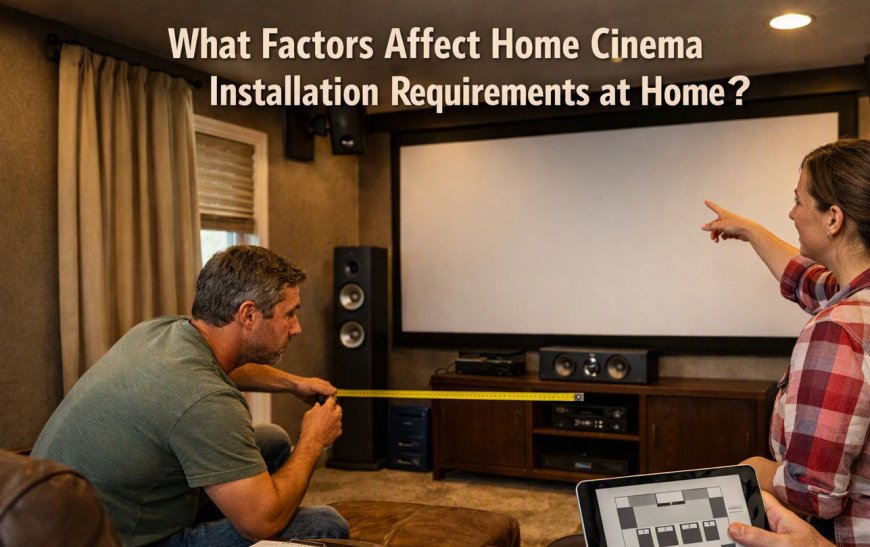
Choosing a home cinema setup involves more than selecting a screen and speakers. Even a Home Automation company dubai may need to consider several practical details when planning a connected entertainment space. The room size, layout, electrical points, lighting, sound control, and equipment all affect how the installation should be planned. Understanding these factors can help homeowners prepare the space properly.
Room Size and Shape
The size and shape of a room are important when planning a home cinema. A small room may need a smaller screen and a compact speaker arrangement, while a large room may require a bigger display and additional speakers.
Room shape also affects sound. A long rectangular room can provide a different listening experience from a square room. Walls, corners, doors, and open areas can change how sound moves around the space.
Before installation, it is useful to measure the room carefully. This includes the length, width, ceiling height, and distance between the viewing position and the screen.
Screen Size and Viewing Distance
The distance between the seats and screen helps determine a suitable display size. A screen that is too large for a small room may feel uncomfortable to watch, while a very small screen may not provide the desired viewing experience in a larger space.
The type of display also matters. Projectors need enough space for mounting and projection, while televisions require suitable wall space and access to power and connection points.
Planning the viewing distance before purchasing equipment can prevent installation problems later.
Speaker Placement
Sound is an important part of a home cinema. Speakers need to be positioned according to the room layout and seating arrangement.
Front speakers are normally placed around the display, while surround speakers are positioned around the main seating area. A subwoofer can also be used to produce low-frequency sound.
Furniture, walls, curtains, carpets, and other objects can affect sound movement. For this reason, speaker placement should be considered before cables are installed.
Electrical Requirements
Home cinema equipment needs suitable power connections. A typical setup may include a display, projector, receiver, media player, speakers, streaming device, lighting controls, and other equipment.
The number and location of electrical outlets should be planned in advance. It is also useful to avoid placing too many devices on one power point.
Cable management is another consideration. Power cables and signal cables should be arranged neatly and safely. Proper planning can reduce visible wires and make future maintenance easier.
Lighting Conditions
Lighting can have a direct effect on the viewing experience. Strong natural light can make it harder to see images clearly on some screens or projector displays.
The position of windows, doors, and light fixtures should therefore be considered during planning. Curtains or blinds can help control outside light when required.
Dimmable lighting can also be useful because different brightness levels may be suitable for watching movies, cleaning the room, or moving around safely.
Acoustic Conditions
The materials inside a room can change how sound behaves. Hard surfaces such as glass, tiles, and bare walls can reflect sound, while carpets, curtains, and soft furniture can absorb some sound.
An empty room may sound very different after furniture is added. This is why acoustic planning should consider the room as a complete space rather than focusing only on the speakers.
Simple changes to furniture, curtains, rugs, and wall treatments can influence sound quality without requiring major changes to the room.
Cable Routing and Equipment Location
Home cinema equipment often needs several types of cables. These may connect the display, receiver, speakers, media devices, and network equipment.
Cable routes should be considered before walls or ceilings are finished. Some cables may need to run through walls, ceilings, or dedicated conduits.
The location of equipment also matters. A receiver and other devices need enough ventilation to prevent excessive heat. Easy access is useful when equipment needs to be checked or replaced.
Internet and Network Connections
Many modern home cinema systems use internet-connected devices for streaming and other services. A stable network connection can help these devices work properly.
The position of the router and the distance between network equipment and the cinema room should be considered. In larger homes, additional network equipment may be needed to provide reliable coverage.
Wired connections can also be considered for devices that remain in one location, especially where a stable connection is important.
Seating and Room Layout
Seating affects both viewing and sound. The main seats should have a clear view of the screen and should be positioned within the intended listening area.
The number of seats also affects the room plan. Adding multiple rows may require extra space and, in some cases, raised platforms.
Doors, walkways, furniture, and equipment should all be considered so the room remains comfortable and easy to use.
Future Changes
Technology can change over time, so it is useful to leave some flexibility in the installation plan. Extra cable capacity, accessible equipment locations, and suitable power points can make future upgrades easier.
Planning for possible changes can reduce the need to modify walls or ceilings later. These small details can make a home cinema installation easier to maintain as equipment changes.
Room measurements, viewing distance, speaker placement, electrical access, lighting, acoustics, cable routing, network connections, and seating all contribute to the installation requirements. A Home Automation company dubai can also be involved when the cinema needs to work with other connected systems in the home.
What's Your Reaction?
 Like
0
 Dislike
0
 Love
0
 Funny
0
 Angry
0
 Sad
0
 Wow
0