















What Happens After a Positive HIV Test?
Learn what happens after a positive HIV test, including confirmatory testing, medical follow-up, treatment options, monitoring, and important next steps.

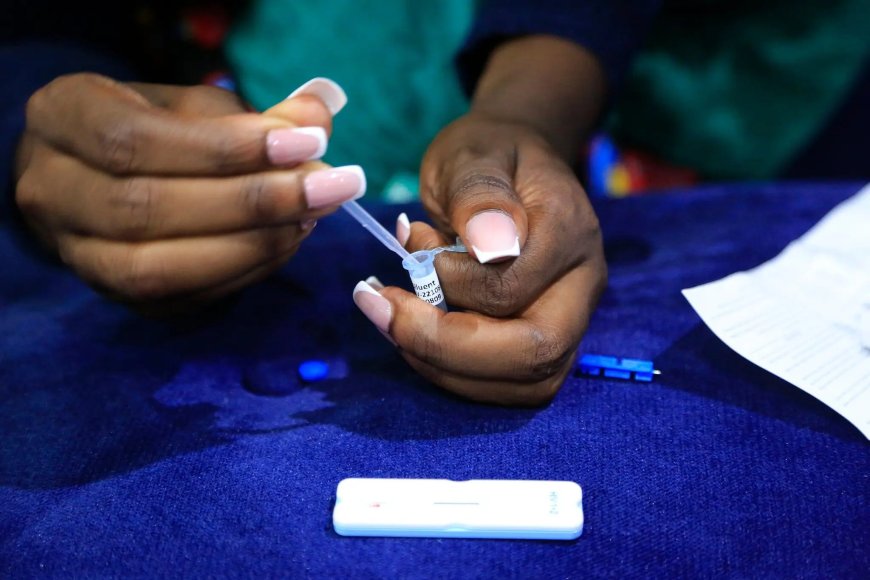
Receiving a positive or reactive HIV test result can be stressful, especially when a person is unsure what the result means or what will happen next. The first thing to understand is that a reactive screening result does not always represent a confirmed HIV diagnosis.
An HIV Test in Dubai may involve a screening test designed to identify signs that could indicate HIV infection. When a screening result is reactive, additional testing is generally needed to confirm whether HIV is actually present.
Understanding this process can help reduce unnecessary fear and confusion. Instead of immediately assuming the result represents a final diagnosis, the next step should be professional medical follow-up.
A healthcare professional can explain the result, arrange appropriate confirmatory testing, and provide guidance about what to do while waiting for further information.
Why Confirmatory Testing Is Important
HIV screening tests are designed to identify possible infection, but a reactive screening result requires further evaluation. This is because screening tests can sometimes produce reactive results when HIV is not actually present.
Confirmatory testing provides additional information and helps determine whether the initial result represents a true infection.
The exact follow-up process depends on the testing method used, the laboratory procedures, and the healthcare provider's recommendations.
A person should therefore avoid making conclusions based only on an initial screening result. Professional interpretation is important, particularly when the result was unexpected.
Enfiled STD Clinic for HIV Follow-Up
People who receive a reactive HIV screening result may need professional guidance about confirmatory testing and the next stages of care. Enfiled STD Clinic can be considered by individuals seeking professional sexual health testing and medical guidance.
During a consultation, a healthcare professional can discuss the initial result and explain whether additional testing is necessary. They may also review the person's previous testing history, possible exposure, symptoms, and other relevant information.
This can help create a clearer understanding of the situation and determine the appropriate next step.
If HIV infection is confirmed, professional medical care can also help the patient understand treatment and ongoing health management.
What Happens During Confirmatory Testing?
Confirmatory testing is used to establish whether HIV infection is present after a reactive screening result.
The healthcare provider may recommend another laboratory test or a testing algorithm that uses different methods to confirm the initial finding. The exact process can vary depending on the type of screening test and the laboratory's procedures.
Patients may need to provide another blood sample or undergo additional testing. The healthcare provider can explain what is required and when the results are expected.
Waiting for confirmation can be emotionally difficult, but it is important to complete the recommended testing before reaching a final conclusion.
What If HIV Infection Is Confirmed?
If additional testing confirms HIV infection, the healthcare provider can discuss the next stages of medical care.
Modern HIV treatment can significantly improve health outcomes. Antiretroviral therapy is used to control HIV and reduce the amount of virus in the body. Treatment decisions should always be made with a qualified healthcare professional.
A healthcare provider may discuss medication, laboratory monitoring, general health, and other factors that can influence long-term care.
Receiving a confirmed diagnosis can feel overwhelming, but it does not mean that effective medical care is unavailable. With appropriate treatment and ongoing healthcare, people living with HIV can manage the condition over the long term.
Why Starting Medical Care Matters
Once HIV infection is confirmed, receiving appropriate medical care is important. Healthcare professionals can evaluate the person's health and determine the most suitable treatment approach.
Treatment can help reduce HIV levels in the body and protect the immune system. Regular medical follow-up can also help healthcare providers monitor how well treatment is working.
The earlier someone receives appropriate care after diagnosis, the sooner they can discuss treatment and long-term health management with their healthcare team.
People should avoid delaying medical follow-up because of fear or embarrassment. Healthcare professionals are trained to provide support and discuss HIV confidentially and professionally.
Understanding HIV Treatment
HIV treatment generally involves antiretroviral medicines that work against the virus. Treatment does not remove HIV from the body, but it can suppress the virus and help protect immune function.
The exact medication regimen depends on individual medical factors. Healthcare providers consider factors such as overall health, other medications, possible drug interactions, and laboratory results when developing a treatment plan.
Taking medication consistently is an important part of HIV management. Patients should follow their healthcare provider's instructions and discuss any difficulties with taking medication.
If side effects or concerns occur, patients should speak with their healthcare team rather than stopping treatment on their own.
What Does an HIV Test Tell You?
An HIV Test in Dubai can provide important information about whether evidence of HIV infection has been detected. However, different types of HIV tests have different detection windows and procedures.
A reactive screening result is not automatically the same as a confirmed diagnosis. This distinction is essential.
Similarly, a negative result needs to be interpreted according to the timing of the test and the type of test used. If testing was performed shortly after a possible exposure, repeat testing may sometimes be recommended.
Healthcare professionals can explain how the result should be interpreted based on the specific testing circumstances.
What About Symptoms After a Positive Test?
Some people may experience symptoms around the time of early HIV infection, while others may have no symptoms at all.
Possible symptoms can include fever, fatigue, swollen lymph nodes, sore throat, rash, or other general signs of illness. However, these symptoms are not specific to HIV and can occur with many other conditions.
After a confirmed diagnosis, healthcare professionals may evaluate symptoms and determine whether they are related to HIV or another health issue.
People should not attempt to judge the severity of HIV infection based solely on symptoms. Laboratory evaluation and professional medical assessment provide more useful information.
Can HIV Be Managed Long Term?
Yes. HIV can be managed with appropriate medical treatment and ongoing care.
Modern antiretroviral therapy can reduce HIV to very low levels in the body. Regular medical monitoring helps healthcare professionals assess treatment effectiveness and overall health.
Following the prescribed treatment plan is an important part of long-term management. Patients should attend recommended appointments and discuss any changes in their health.
Medical care may also include routine laboratory testing to monitor factors such as viral load and immune system health.
HIV and Sexual Health After Diagnosis
After an HIV diagnosis is confirmed, sexual health remains an important part of medical care.
Healthcare professionals can provide guidance about protecting sexual partners, safer sexual practices, testing, and treatment. Open communication with healthcare providers can help patients understand how to reduce transmission risks.
People living with HIV can continue to have relationships and maintain an active life. Medical care and effective treatment can play an important role in supporting both physical health and sexual health.
Additional STI screening may also be recommended depending on the person's circumstances. An HIV test does not automatically detect other sexually transmitted infections.
The Importance of Emotional Support
A positive HIV diagnosis can affect emotional wellbeing as well as physical health. Feelings such as fear, confusion, sadness, or anxiety can occur.
Patients should not feel that they have to manage these emotions alone. Speaking with a trusted healthcare professional, counselor, or appropriate support service can provide useful guidance.
It is also important to avoid relying on inaccurate information from social media or unverified websites. Medical professionals can provide more reliable information about treatment, transmission, testing, and long-term health.
Having accurate information can make it easier to make informed decisions after diagnosis.
What Should You Avoid After a Reactive Result?
The most important thing is to avoid assuming that a reactive screening result is automatically a confirmed HIV diagnosis.
Do not panic or make major medical decisions based solely on an initial result. Instead, follow the recommended confirmatory testing process.
It is also important not to stop prescribed medications or begin any treatment without discussing it with a healthcare professional.
If you recently experienced a possible exposure, provide accurate information about when and how it occurred. This can help healthcare providers interpret testing results appropriately.
Follow-Up After HIV Diagnosis
Following confirmation, ongoing medical care becomes an important part of HIV management.
Healthcare providers may schedule additional appointments to discuss treatment, laboratory monitoring, medication adherence, and general health. The frequency of follow-up depends on individual medical needs.
Over time, treatment response can be monitored through appropriate laboratory tests. If treatment is working effectively, HIV levels can become very low.
Patients should continue attending medical appointments even when they feel completely healthy because HIV can remain manageable without obvious symptoms.
Final Thoughts
A positive HIV screening result can be worrying, but it is important to understand that a reactive screening result is not necessarily a confirmed diagnosis. Confirmatory testing is generally required before HIV infection is established.
An HIV Test in Dubai can be an important first step in understanding a person's health status, while professional follow-up provides the information needed to interpret the result correctly.
If HIV infection is confirmed, effective treatment and long-term medical care are available. With appropriate support, monitoring, and treatment, people living with HIV can manage their health and maintain their quality of life.
What's Your Reaction?
 Like
0
 Dislike
0
 Love
0
 Funny
0
 Angry
0
 Sad
0
 Wow
0





