










What to Include in a Custom Portrait Brief Before an Artist Starts Painting
Learn what to include in a custom portrait brief, from reference photos and style preferences to size, deadlines, revisions, and personal details.

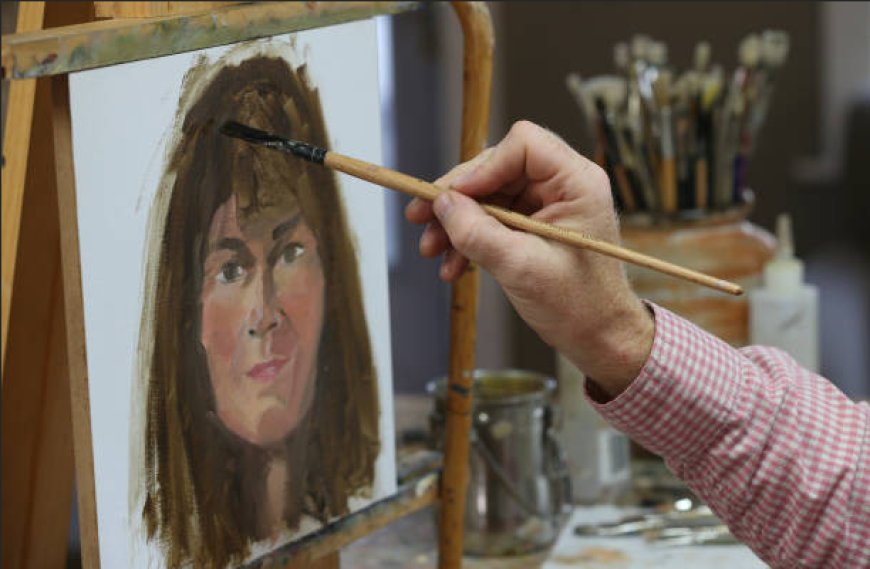
A beautiful portrait can capture far more than a face. It can preserve a memory, reflect a personality, and turn a meaningful moment into lasting art. However, even the most talented artist needs the right direction before the painting begins. A well-prepared custom portrait brief creates the foundation for a successful collaboration, helping your ideas translate clearly onto the canvas. The details you share at the beginning can shape the mood, accuracy, and emotional impact of the final piece.
So, what should you communicate before the artist starts painting? This guide will help you prepare a brief that brings your vision to life.
Key Takeaways
· A clear brief helps prevent misunderstandings.
· Strong reference photos improve portrait accuracy.
· Personal details make the artwork more meaningful.
· Early decisions reduce difficult revisions.
· Written agreements clarify costs and expectations.
Essential Details to Include in a Custom Portrait Brief
· Explain The Purpose of The Portrait
Begin by telling the artist why you are commissioning the piece. The purpose can influence the mood, style, and overall presentation.
For example, a formal anniversary portrait may require a different tone from a playful family painting. A memorial portrait may need soft colors and a peaceful expression, while a birthday gift may feel brighter and more celebratory.
You may be commissioning the artwork for:
· A wedding or anniversary
· A birthday or holiday
· A graduation
· A memorial
· A family milestone
· A new home
· A pet remembrance
· A personal art collection
Sharing the purpose allows the artist to understand the emotional importance of the project. It can also help them recommend suitable poses, backgrounds, and color palettes.
· Provide High-Quality and Well-Lit Reference Photos
Reference photos are one of the most important parts of planning custom portraits. The artist needs clear visual information to reproduce facial features, expressions, clothing, fur, and other details accurately.
Select photographs with sharp focus and natural lighting. Facial features should be visible without strong shadows, excessive brightness, or heavy filters.
Good reference photographs generally show:
· Clear eyes and facial details
· Natural skin or fur colors
· Accurate proportions
· Visible hair texture
· Minimal blur
· A useful viewing angle
Avoid screenshots, compressed social media images, or photographs taken from a long distance whenever better options are available. A single image may not show every useful detail. Sending several photographs can help the artist understand the subject’s appearance from different angles.
· Identify Every Subject Clearly
If the portrait contains more than one person or pet, label each reference photograph. Include names and explain how the subjects should be positioned.
For group custom portraits, mention height differences, age differences, and relationships between the subjects. These details help the artist create a balanced and believable composition, especially when combining people from separate photographs.
You should also explain whether everyone needs equal visual attention or whether one person should remain the main subject.
Useful instructions may include:
· Place the grandparents in the center
· Position the children beside each parent
· Make the bride and groom the main focus
· Show the pet sitting in front of the family
· Keep the subjects close together
· Create a relaxed rather than formal arrangement
Clear positioning instructions are particularly valuable when no suitable group photograph exists.
· Describe The Desired Expression and Mood
A portrait should reflect more than physical appearance. The expression and mood often determine whether the finished work feels personal and emotionally accurate.
Tell the artist how you want the subject to appear. You may prefer a gentle smile, a thoughtful expression, a confident pose, or a joyful moment.
Mood descriptions might include:
· Warm and welcoming
· Calm and peaceful
· Bright and cheerful
· Formal and elegant
· Playful and energetic
· Reflective and emotional
Avoid relying only on broad words such as “beautiful” or “nice.” More specific emotional guidance gives the artist something practical to interpret.
· Choose An Artistic Style
Different painting styles create different visual effects. Before the artist begins, explain whether you want a highly realistic piece, a loose painterly finish, or something softer and more expressive.
Possible styles include:
Realistic Portraits
Realistic artwork focuses on recognizable facial features, proportions, textures, and lighting. It is often suitable for formal portraits and memorial pieces.
Painterly Portraits
A painterly approach uses visible brushwork and greater artistic interpretation. The result may feel expressive while still preserving the subject’s likeness.
Watercolor Portraits
Watercolor portraits often feature soft edges, layered washes, and delicate color transitions. They can work well for weddings, children, pets, and light-filled interior spaces.
Review the artist’s portfolio before selecting a style. Referring to examples from their own work is more helpful than asking them to copy another artist’s technique.
· Explain Your Background Preferences
The background affects the mood and visual balance of custom portraits. Decide whether you want a detailed setting, a simple color field, or no defined background at all.
Possible options include:
· A neutral studio-style background
· A garden or natural setting
· A family home
· A favorite travel location
· A beach or landscape
· Soft abstract colors
· A plain background that emphasizes the subject
If the setting has personal meaning, explain why it matters. Provide separate reference photographs when you want the artist to recreate a specific location.
You should also mention anything in the original photograph that needs to be removed, such as furniture, strangers, signs, leashes, or visual clutter.
· Share Personality Details
A technically accurate portrait may still feel incomplete if it does not reflect the subject’s personality. A short description can help the artist make thoughtful, creative choices.
You might describe the subject as:
· Quiet and thoughtful
· Friendly and outgoing
· Strong and confident
· Gentle and caring
· Curious and playful
· Elegant and reserved
These characteristics may influence expression, posture, lighting, and color. A few meaningful details are usually more helpful than a long biography.
For a dog painting, include information about the pet’s temperament, favorite expression, distinctive markings, and typical posture. Mention whether the dog is energetic, calm, curious, protective, or affectionate. These details can help the artist capture a recognizable personality rather than simply reproducing the animal’s physical features.
· Specify The Size and Orientation
The size of the artwork affects the composition and level of detail. A small portrait may work well for one subject, while a larger format may be necessary for a group or detailed background.
Include your preferred dimensions and explain whether you want:
· Portrait orientation
· Landscape orientation
· Square artwork
· A close-up composition
· A full-body portrait
· A head-and-shoulders view
If the work will be displayed as home art, tell the artist where it will hang. A photograph of the wall or room may help them recommend an appropriate size and orientation.
Consider surrounding furniture, wall dimensions, viewing distance, and existing decor before choosing the final measurements.
· Discuss Colors and Interior Placement
Artists can often adjust the color palette while maintaining a natural appearance. Explain whether you prefer warm, cool, muted, bright, earthy, or neutral tones.
If the painting will be displayed in a specific room, share photographs of that space. The artist may be able to create a palette that complements the interior without making the portrait look artificially matched.
Mention any colors you strongly dislike or want to avoid. However, remain open to professional guidance because skin tones, shadows, clothing, and backgrounds need visual balance.
· Confirm The Timeline and Deadline
Custom portraits require time for planning, sketching, painting, drying, finishing, packaging, and delivery. Do not assume that a portrait can be completed immediately.
Tell the artist about any firm deadline before paying a deposit. This is especially important when the artwork is intended for a birthday, wedding, anniversary, holiday, or memorial service.
Ask whether the estimated completion date includes framing and shipping. International delivery, drying time, and seasonal demand may extend the schedule.
A realistic timeline protects the quality of the artwork and prevents unnecessary pressure during the creative process.
A commissioned painting agreement should also explain what happens if the client requests a new pose, background, subject, or size after the original concept has been accepted.
· Discuss Budget, Payment, and Delivery
Include your budget range if the artist offers several sizes, materials, or levels of detail. Pricing may depend on the number of subjects, background complexity, medium, dimensions, framing, and shipping.
Confirm:
· The total price
· Deposit requirements
· Payment deadlines
· Framing costs
· Shipping charges
· Packaging methods
· Insurance and tracking
· Applicable taxes
Written confirmation protects both the client and artist. It also prevents misunderstandings about what is included in the quoted price.
· Ask About Copyright and Image Use
Purchasing a physical portrait does not always transfer the copyright. In many cases, the artist keeps the copyright while the client receives the original artwork for personal display.
Discuss image rights when you plan to use the portrait for:
· Business branding
· Product packaging
· Advertising
· Social media campaigns
· Book covers
· Printed merchandise
· Website content
Also, ask whether the artist may photograph and share the finished portrait in their portfolio. If the artwork is private, a surprise gift, or a memorial piece, request confidentiality before the project begins.
Conclusion
A thoughtful portrait brief creates a stronger foundation for a smooth and rewarding creative process. By giving the artist clear direction before work begins, you reduce uncertainty and make it easier to protect the meaning behind the artwork. The goal is not to control every artistic choice, but to communicate what matters most while allowing room for professional interpretation. Well-planned custom portraits often feel more personal because each decision supports the subject’s story, personality, and emotional value. With honest communication and realistic expectations, your finished piece can become a lasting work of art that feels meaningful in any special setting.
Turn your meaningful memories into personalized artwork with Brown Chameleon Art and Design, where thoughtful details and artistic skill come together in every portrait.
FAQs
What medium is best for a portrait that needs to last for generations?
Oil and acrylic paintings are often selected for long-term display because they can be durable when created with quality materials and cared for properly. Watercolor artwork can also last for many years when framed behind protective glass and kept away from moisture and direct sunlight.
Should I request a certificate of authenticity?
A certificate of authenticity can be useful for documenting the artist, artwork title, medium, dimensions, and completion date. It may also support future valuation, insurance, gifting, or estate records.
Can a portrait be created from an old black-and-white photograph?
Yes, an artist may be able to work from an old photograph and either preserve the monochrome appearance or carefully introduce color. Additional family photographs can help the artist estimate accurate hair, eye, clothing, and skin tones.
How should I prepare a portrait for gifting?
Consider whether the recipient has enough wall space and whether the chosen style suits their taste. Keep the artwork protected until the occasion, and ask the artist whether gift packaging or a personalized note can be included.
Can names, dates, or messages be added to the artwork?
Some artists can include a name, date, short quotation, or handwritten message. These details may appear within the composition, on the back of the artwork, or on a separate plaque, depending on the design.
What's Your Reaction?
 Like
0
Like
0
 Dislike
0
Dislike
0
 Love
0
Love
0
 Funny
0
Funny
0
 Angry
0
Angry
0
 Sad
0
Sad
0
 Wow
0
Wow
0