When Should HIV Testing Be Repeated?
Learn when HIV testing may need to be repeated, how the window period affects results, and why follow-up testing can be important.

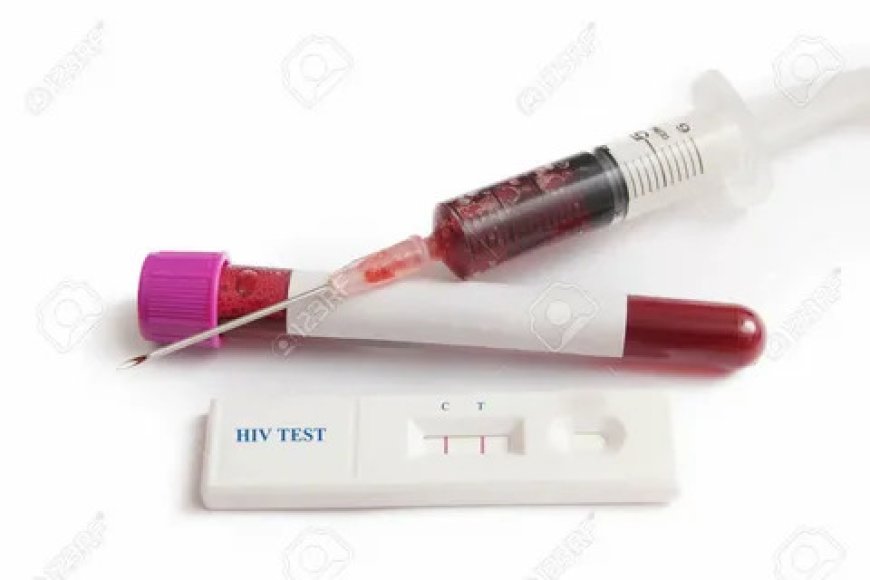
HIV testing can provide important information about your sexual health, but in some situations, one test may not be enough to fully evaluate a possible infection. The timing of the test, the type of HIV test used, and the date of a possible exposure can all influence whether follow-up testing is recommended. Understanding when HIV testing may need to be repeated can help you approach the process with greater confidence. A professional HIV Test in Dubai can help determine whether another test is appropriate based on your circumstances.
Why Might HIV Testing Need to Be Repeated?
HIV tests detect specific markers associated with HIV infection. Depending on the test, these may include antibodies, p24 antigen, or HIV genetic material.
These markers do not necessarily become detectable immediately after infection. If testing takes place too soon after a possible exposure, the result may be negative even though an infection is still developing.
This is one of the main reasons a healthcare professional may recommend repeat testing.
Repeat testing can also be necessary when an initial screening result is reactive and additional testing is required to establish whether HIV infection is present.
The Importance of the Window Period
The window period is the time after HIV infection during which a particular test may not yet reliably detect the infection.
Different HIV tests have different detection windows. For example, antibody-only tests rely on the development of antibodies, while antigen/antibody tests can detect both antibodies and p24 antigen.
Nucleic acid tests look for HIV genetic material and may detect infection earlier in some situations.
Because of these differences, there is no single repeat-testing schedule that applies to every person.
When Should You Consider Repeat Testing?
Repeat testing may be considered when the initial test was performed soon after a possible exposure.
If the first test was taken during the window period, your healthcare provider may recommend another test after an appropriate interval.
Repeat testing may also be recommended when the initial result is inconclusive or when a reactive screening result needs confirmation.
The appropriate timing should be based on the specific testing method and your individual circumstances.
Enfiled STD Clinic and Repeat HIV Testing
At Enfiled STD Clinic, people seeking an HIV Test in Dubai can discuss their testing history and concerns with healthcare professionals.
If you have already received a negative result but are concerned that you tested too soon after a possible exposure, a healthcare provider can explain whether repeat testing may be appropriate.
The provider can also explain what your previous test detected, how the timing affects interpretation, and what follow-up may be needed.
Professional guidance is particularly useful when you are uncertain about the testing window.
Repeat Testing After a Recent Possible Exposure
If you recently experienced a possible HIV exposure, testing can be an important step even if you feel completely healthy.
An initial test may establish a baseline, but it may not detect a very recent infection.
Depending on the circumstances, a healthcare professional may recommend testing immediately and then repeating the test later.
If the exposure happened very recently, seek medical advice promptly. Some time-sensitive prevention options may need to be considered soon after certain exposures.
What If Your First Test Was Negative?
A negative HIV test means that the test did not detect evidence of HIV at the time it was performed.
However, if the test was taken during the window period, a negative result may not completely exclude a recent infection.
This is why you should tell the healthcare provider when the possible exposure occurred.
If repeat testing is recommended, completing the follow-up test can provide a more reliable assessment.
What If Your First Test Was Reactive?
A reactive HIV screening test does not necessarily mean that HIV infection has been confirmed.
Additional testing is generally required to determine whether the reactive result represents an actual HIV infection.
The healthcare provider can explain the confirmatory testing process and what happens next.
It is important not to interpret a reactive screening result as a final diagnosis without the appropriate follow-up.
Can Symptoms Tell You Whether You Need Another Test?
Symptoms alone cannot determine whether repeat HIV testing is necessary.
Some people with HIV may have no noticeable symptoms. Others may experience symptoms that resemble common viral illnesses.
Fever, fatigue, sore throat, swollen lymph nodes, or rash can have many different causes.
If there has been a possible HIV exposure, testing decisions should be based on the exposure circumstances, timing, testing method, and professional medical advice rather than symptoms alone.
Different HIV Tests and Repeat Testing
The type of HIV test you received matters when deciding whether testing should be repeated.
Antibody tests detect antibodies produced by the immune system. Combination antigen/antibody tests detect antibodies and p24 antigen. Nucleic acid tests detect HIV genetic material.
Because each method identifies different markers, their ability to detect a recent infection varies.
If you do not know which HIV test you received, ask the testing facility or healthcare provider. This information can be useful when discussing follow-up testing.
Can Medication Affect the Testing Approach?
If you are taking medication related to HIV prevention or treatment, tell your healthcare provider.
Do not stop prescribed medication because you are planning to test.
Certain prevention or treatment circumstances can affect how healthcare professionals approach HIV testing and follow-up. Your provider can explain the appropriate testing strategy based on your situation.
Repeat Testing After PEP
Post-exposure prophylaxis, commonly known as PEP, may be prescribed in certain circumstances after a potential HIV exposure.
If you have taken or are taking PEP, follow the testing schedule provided by your healthcare professional.
Testing after PEP can involve specific follow-up recommendations because the medication is intended to reduce the likelihood of HIV infection after exposure.
Do not create your own testing schedule based solely on general online information.
What About PrEP?
Pre-exposure prophylaxis, or PrEP, is medication used to reduce the risk of acquiring HIV.
People using PrEP follow specific HIV testing recommendations because regular testing is an important part of PrEP care.
If you use PrEP, tell the healthcare provider before testing. They can explain the appropriate testing and monitoring process.
Can You Repeat an HIV Test Too Soon?
Taking another test immediately may not always provide additional useful information if insufficient time has passed for the relevant HIV markers to become detectable.
The best timing depends on the test and circumstances.
Instead of repeatedly testing without a plan, discuss your situation with a healthcare professional. They can help determine when a follow-up test is most informative.
What Happens During Repeat HIV Testing?
Repeat testing generally follows the same basic process as an initial test.
Depending on the testing method, a blood sample or another approved specimen may be collected.
The provider may ask about your previous test, the date of any possible exposure, and any relevant medications or medical history.
Once the sample has been processed, the result can be interpreted in the context of the testing timeline.
Why Keeping Your Previous Test Information Helps
If you have already been tested, keep information about the test when possible.
Useful details can include the date of testing, the type of test, and the reported result.
Sharing this information with your healthcare provider can make it easier to determine whether additional testing is appropriate.
If you do not have the previous report, simply tell the provider what you remember.
Should Other STI Tests Be Repeated?
Depending on the exposure and the infections being considered, healthcare providers may recommend testing for other sexually transmitted infections as well.
Chlamydia, gonorrhea, syphilis, hepatitis, and HIV all have different testing considerations.
If you are undergoing repeat HIV testing after a possible sexual exposure, ask whether additional sexual health screening is appropriate for your circumstances.
Confidentiality During Follow-Up Testing
Privacy can remain important during repeat testing, particularly if you are concerned about discussing previous results or possible exposure.
Before your appointment, ask the healthcare provider how test results and personal health information are handled.
A clear understanding of the clinic's confidentiality procedures can make follow-up appointments more comfortable.
When to Seek Medical Advice Quickly
If a possible HIV exposure happened recently, do not wait for symptoms before seeking professional advice.
Some prevention options are time-sensitive, and a healthcare provider can determine whether they should be considered.
Prompt consultation can also help establish an appropriate HIV testing and follow-up plan.
Final Thoughts
HIV testing may need to be repeated for several reasons, particularly when an initial test was taken during the window period or when a reactive screening result requires additional evaluation.
The appropriate timing depends on the HIV testing method, the date and circumstances of a possible exposure, and any relevant medical treatment or prevention.
If you are considering an HIV Test in Dubai or have already received a result, discussing your situation with a qualified healthcare professional can help determine whether repeat testing is necessary.
A planned follow-up test can provide clearer information than repeatedly testing without considering the appropriate detection window.
What's Your Reaction?
 Like
0
 Dislike
0
 Love
0
 Funny
0
 Angry
0
 Sad
0
 Wow
0