















When Should You See a Podiatrist for an Ingrown Toenail?

Most people don’t think much about their toenails until one of them starts hurting. Then suddenly, putting on a shoe becomes annoying. Walking hurts. Even the bedsheet touching your toe can be enough to make you move your foot away. An ingrown toenail can begin with a little soreness along one edge, and it’s pretty easy to think it’ll go away. Sometimes it does. But when it doesn’t, knowing when to see a podiatrist in Townsville ingrown toenail professional can save you from dealing with a much nastier problem later. Waiting until the toe is badly swollen isn’t really doing yourself any favours.
How Does a Toenail Become Ingrown?
Usually, the nail edge starts pushing into the skin beside it. That’s the basic problem. The big toe tends to cop it most, although the smaller toes aren’t completely safe either. There are a few reasons it happens. Shoes that squeeze the front of the foot can put constant pressure on the nail. Cutting the nail too far down the sides is another common one. Some people simply have nails that curve more than others, so they’re fighting the problem from the start. A stubbed toe can change things too. You might not notice anything immediately, then a few days later the side of the nail feels sore when you walk. It doesn’t always take much pressure to get the cycle going.
A Little Redness or Something More?
This is where people tend to wait too long. A bit of redness around the nail doesn’t necessarily mean you have a serious problem. It can just be irritation. But if the redness keeps spreading, the toe gets hotter, or the swelling starts increasing, pay attention. Pain that keeps getting worse is another clue. So is fluid or pus coming from the side of the nail. That’s not something to ignore and hope it sorts itself out. You may also find that your usual shoes suddenly feel too tight because the skin around the nail has swollen. And if you’re changing the way you walk because one toe hurts, well, that’s a pretty good sign the problem has moved beyond a minor nuisance.
Can You Deal With It at Home?
Sometimes, yes. If the nail is only mildly irritated, you can keep the foot clean and give the toe a break from tight footwear. A warm foot soak can make it feel better for a bit. Wearing shoes with enough room for the toes is useful too. What you shouldn’t do is attack the nail with whatever sharp object happens to be nearby. People cut down the side, dig under the corner, pull at the nail, and all sorts of things. It might seem like you’re removing the bit that hurts, but you can also tear the skin and make the whole area angrier. There’s a difference between looking after an irritated toe and trying to perform your own nail procedure in the bathroom. If it keeps hurting, get it looked at.
Don’t Wait Until Walking Is Miserable
You don’t have to wait for an ingrown toenail to become unbearable before booking an appointment. If it’s been bothering you for several days and isn’t settling, that’s reason enough to have someone check it. The same goes if you’ve had the same problem before and it keeps coming back. There’s usually a reason for that. Maybe the nail naturally curves into the skin. Maybe your footwear is putting pressure on the toe every day. Maybe the way you cut the nail is part of the issue without you realising it. A podiatrist can look at the actual nail and surrounding skin and work out what’s going on. That can be a lot more useful than repeatedly treating the soreness and hoping the next time will somehow be different.
What Will a Podiatrist Actually Do?
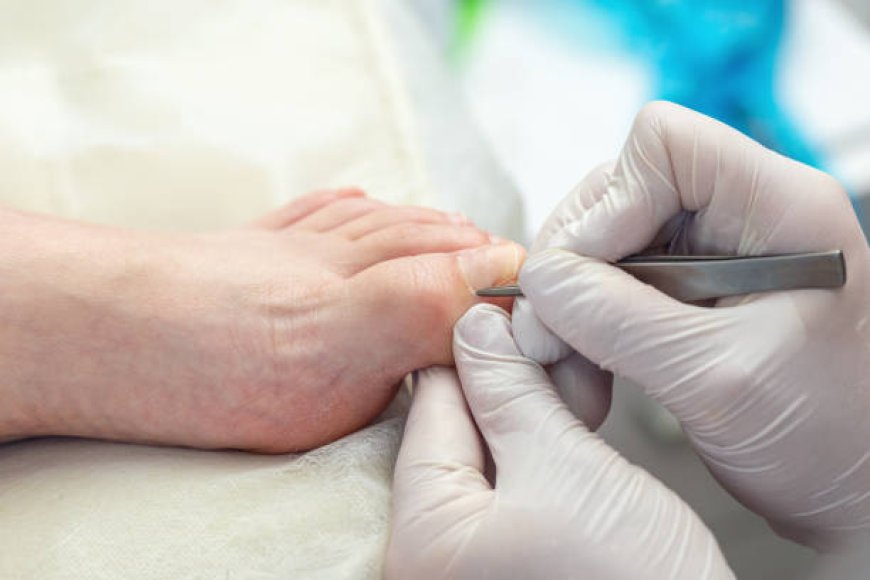
A lot of people hear “podiatrist” and immediately picture some big procedure. That isn’t always the case. Treatment depends on what the toe looks like when it’s examined. A mild case might only need the pressure taken off the irritated area and some advice about footwear or nail care. If the nail has dug further into the skin, part of the nail may need to be removed. Local anaesthetic can be used for procedures like that, so you’re not sitting there feeling every little thing. Once the troublesome section is dealt with, you’ll usually get instructions for looking after the toe while it settles. It’s not glamorous, obviously. But neither is limping around for a week because you refused to deal with a toenail.
What If You Just Leave It Alone?
This is the part people underestimate. An ingrown nail can stay mildly annoying for quite a while, then suddenly become much more painful. The skin is being irritated again and again by the nail edge. Eventually, it can break down enough for bacteria to get in. Then you’re dealing with inflammation or an infection on top of the original problem. For most otherwise healthy people, an ingrown toenail isn’t something to panic about. Still, that doesn’t mean it should be ignored forever. If you have diabetes, circulation problems, or reduced feeling in your feet, you should be more cautious. A small cut or infection may not be as easy to notice or heal properly. In that situation especially, professional foot care makes sense.
Keeping the Problem From Returning
Once the toe feels normal again, don’t go straight back to doing whatever caused it. Keep a little length on your toenails instead of cutting them right down. When trimming, avoid digging deeply into the corners. Your shoes deserve some attention too. If your toes are squashed together every time you walk, the nail is getting pressure whether you notice it or not. Give the front of the shoe enough room. If you’re active, also think about repeated rubbing from sports shoes or work boots. And if you keep getting the same ingrown toenail over and over, that’s worth mentioning during an appointment. Some nails are simply shaped in a way that makes recurrence more likely, and there may be a better long-term approach than repeatedly trimming the same painful corner.
When to See a Podiatrist in Townsville
The short answer is pretty simple. If the toe is getting more painful, swollen, red, or starts producing pus, get it checked. Don’t wait until you’re struggling to walk. You should also consider professional help when the problem keeps returning, or when home care hasn’t made much difference. People with diabetes, poor circulation or reduced sensation in the feet should be particularly careful and seek advice sooner rather than later. A podiatrist in Townsville can examine the nail and surrounding skin, figure out how far the problem has progressed, and explain the treatment options. Sometimes the fix is straightforward. Sometimes it needs a little more attention. Either way, dealing with it early is usually easier than trying to tough it out while your toe gets more irritated by the day.
What's Your Reaction?
 Like
0
 Dislike
0
 Love
0
 Funny
0
 Angry
0
 Sad
0
 Wow
0





