
























Why Cat Dental Cleaning Is More Than Just Fresh Breath?

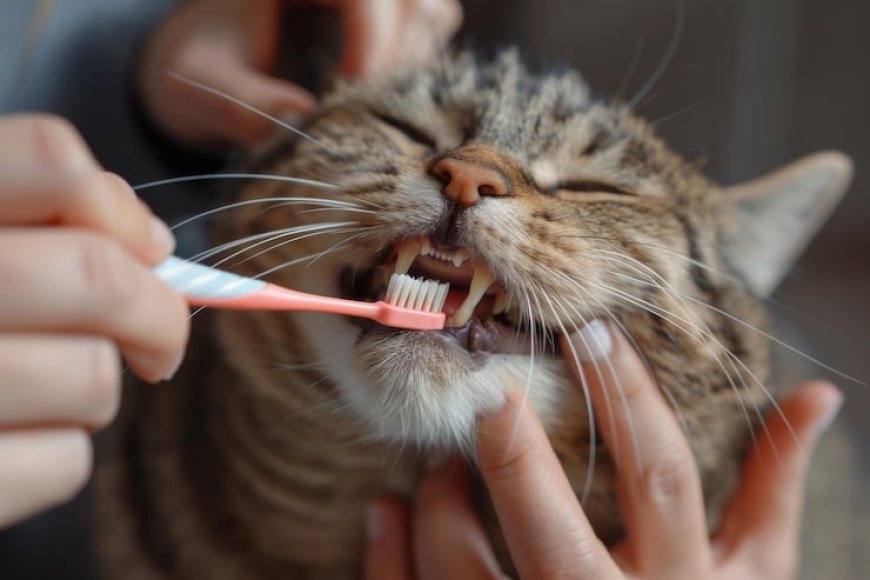
A cat can be remarkably good at hiding discomfort. They may continue eating, playing, and following their daily routines even when something is wrong. This is one reason why dental disease often goes unnoticed in cats until it becomes a serious problem.
Many pet owners associate bad breath with dental issues, but the truth is that oral health affects far more than the smell of a cat’s mouth. Cat dental cleaning plays a critical role in preventing pain, protecting vital organs, and improving a cat’s overall quality of life. What begins as a small buildup of plaque can eventually lead to infections, tooth loss, and health complications that extend well beyond the gums.
The Silent Progression of Dental Disease
Dental disease is one of the most common health conditions seen in cats. It often starts with plaque—a sticky film of bacteria that forms on the teeth. When plaque is not removed, it hardens into tartar, creating an ideal environment for harmful bacteria to thrive.
The challenge is that these problems develop gradually. A cat may not show obvious signs of pain, making it easy for owners to assume everything is fine. Meanwhile, inflammation can spread beneath the gumline, damaging teeth and surrounding tissues.
By the time visible symptoms appear, significant dental disease may already be present.
Why Bad Breath Is Only the Beginning?
Many pet owners first notice dental problems when their cat develops unpleasant breath. While bad breath is certainly a warning sign, it is often just the surface symptom of a deeper issue.
Bacteria in the mouth can lead to:
-
Gum inflammation (gingivitis)
-
Periodontal disease
-
Tooth root infections
-
Painful oral lesions
-
Tooth loss
Without proper treatment, these conditions can make eating uncomfortable and reduce a cat’s overall well-being.
Regular cat dental cleaning helps remove plaque and tartar before they cause lasting damage, addressing the root cause rather than simply masking symptoms.
The Connection Between Oral Health and Whole-Body Health
A cat’s mouth is closely connected to the rest of its body. When harmful bacteria multiply in the mouth, they can enter the bloodstream and travel to other organs.
Research has shown that untreated dental disease may contribute to problems involving:
Heart Health: Bacteria from infected gums can circulate through the bloodstream and place additional stress on the cardiovascular system.
Kidney Function: The kidneys help filter toxins from the blood. Chronic bacterial exposure from oral infections may increase the workload on these vital organs.
Liver Health: The liver plays an important role in processing and eliminating harmful substances. Persistent dental infections can affect its ability to function efficien
Protecting a cat’s oral health is therefore an important part of protecting their overall physical health.
Recognizing the Signs of Dental Problems
Because cats often hide pain, owners should pay close attention to subtle behavioral changes.
Common signs of dental disease include:
-
Persistent bad breath.
-
Red or swollen gums.
-
Drooling more than usual.
-
Difficulty chewing food.
-
Eating on one side of the mouth.
-
Pawing at the face.
-
Decreased appetite.
-
Weight loss.
-
Loose or missing teeth.
If any of these symptoms appear, a veterinary evaluation should be scheduled as soon as possible.
What Happens During a Professional Cat Dental Cleaning?
Professional dental cleanings involve much more than simply polishing the teeth.
A veterinary dental procedure typically includes:
Comprehensive Oral Examination
The veterinarian evaluates the condition of the teeth, gums, and oral tissues.
Removal of Plaque and Tartar
Specialized equipment is used to clean both above and below the gumline, where harmful bacteria often accumulate.
Dental X-Rays
Many dental issues occur beneath the surface. X-rays help identify hidden infections, root damage, and bone loss.
Treatment of Problem Areas
If diseased teeth or other issues are discovered, the veterinarian can recommend appropriate treatment.
This thorough approach helps ensure that dental problems are identified and addressed before they become more serious.
When Dental Issues Become Emergencies
Dental infections can sometimes escalate quickly. A cat experiencing severe swelling, bleeding, facial pain, or difficulty eating may require immediate attention.
In these situations, searching for veterinary urgent care near me can help owners find prompt medical support before complications worsen. Early intervention can prevent significant pain and reduce the risk of infection spreading throughout the body.
Preventive Care Makes a Difference
The best approach to feline dental health is prevention. Routine veterinary examinations and scheduled cat dental cleaning appointments can significantly reduce the risk of serious dental disease.
Pet owners can also support oral health at home through:
-
Veterinary-approved dental treats.
-
Dental diets.
-
Tooth brushing when tolerated.
-
Regular oral health checks.
Small preventive measures today can help avoid extensive treatment in the future.
Conclusion
Fresh breath may be a welcome benefit, but it is far from the most important reason to prioritize cat dental cleaning. Dental care protects cats from pain, preserves their teeth, and helps safeguard critical organs throughout the body.
Because cats are masters at concealing discomfort, regular dental evaluations are one of the most valuable investments owners can make in their pet’s long-term health. By taking oral health seriously, you are not just caring for your cat’s smile, you are supporting a healthier, happier life for years to come.
What's Your Reaction?
 Like
0
Like
0
 Dislike
0
Dislike
0
 Love
0
Love
0
 Funny
0
Funny
0
 Angry
0
Angry
0
 Sad
0
Sad
0
 Wow
0
Wow
0