


















Why That Thick Foam Isn't Just For Show At The Car Wash

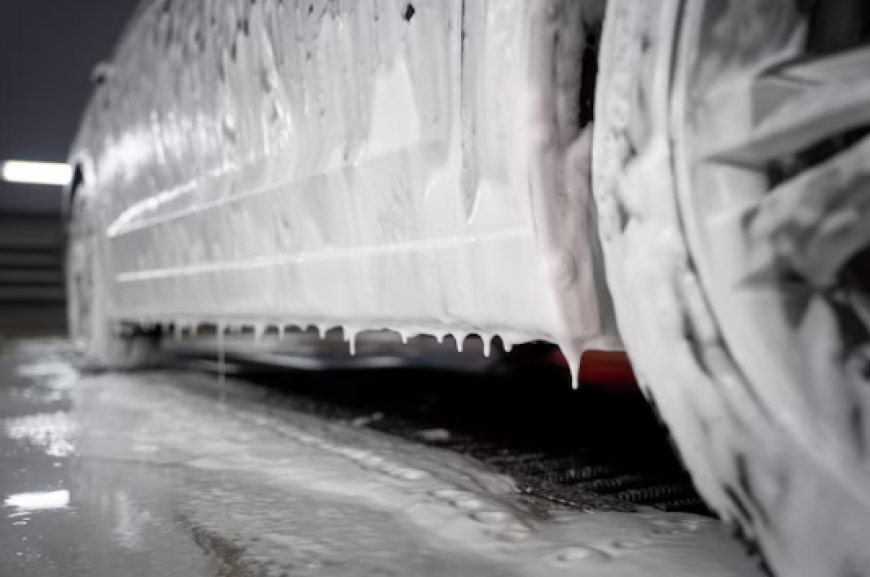
Car wash foam gets treated like it's mostly there for the visual effect, and honestly a lot of people assume it's just a bit of showmanship added to make washing feel more thorough than it actually is. That's not really accurate though, that thick coating of foam covering a car is actually doing real mechanical work before anyone even touches a wash mitt to the surface, lifting dirt and loosening grime in a way that jumping straight to scrubbing just doesn't achieve as effectively. A lot of people skip this step entirely, especially when washing at home rather than going through a proper wash facility, and honestly that's one of the more common reasons cars end up with fine scratches and swirl marks building up over time from washes that were technically cleaning the car but doing it in a way that caused real damage in the process. This piece walks through why this step matters, what actually happens chemically and mechanically, and how it fits into broader car care Ireland weather and road conditions genuinely demand given how much grime accumulates here compared to drier climates. Let's get into it.
What Foam Is Actually Doing Before You Even Touch The Car
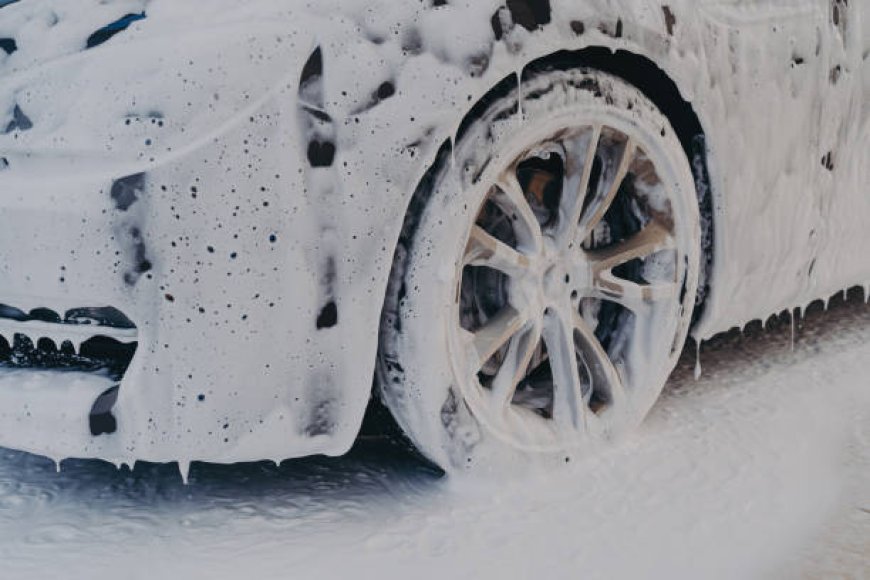
The core idea behind this step, sometimes called pre-washing or snow foaming depending who you're talking to, is genuinely simple even though the execution matters a lot for it to actually work well. A foaming solution gets applied liberally across the entire car, usually through a foam cannon or lance attached to a pressure washer, creating a thick layer of cling foam that sits on the surface for several minutes before any physical contact happens. During that dwell time, the chemicals in the foam are actively breaking down and loosening dirt, grime, and road film bonded to the paint, essentially doing the heavy lifting chemically rather than mechanically through scrubbing. This matters enormously for paint safety, since the whole point is removing as much loose contamination as possible before a wash mitt ever touches the surface, meaning there's genuinely less grit trapped against the paint during actual contact washing, which is exactly what causes those fine swirl marks and scratches that build up on cars washed carelessly over time.
Why Skipping This Step Is Genuinely Riskier Than People Realize
A lot of people, especially those washing at home without dedicated equipment, skip straight to soap and a sponge or mitt, assuming that's essentially the same process just without an extra step. That assumption genuinely causes more paint damage over time than most people realize until they notice their car's finish looking duller or more scratched than it should given how "carefully" they've been washing it. Without a proper pre-wash loosening contamination first, every pass of a wash mitt across the paint is essentially dragging whatever dirt and grit is currently sitting on the surface directly against the paint under pressure, creating exactly the kind of fine scratching that accumulates invisibly wash after wash until it's suddenly very visible under direct sunlight. This is honestly one of the more overlooked aspects of proper car care, people focus heavily on which soap or wax to use while skipping the step that actually protects the paint from unnecessary abrasion during the wash process itself.
How Ireland's Road Conditions Make This Step Even More Important
This part genuinely matters more here than it might somewhere with drier roads and less frequent rain, since the specific conditions cars deal with on Irish roads create heavier contamination buildup than a lot of drivers might expect. Constant damp conditions mean roads stay wetter more often, which kicks up more road film, mud, and general grime onto car surfaces compared to consistently dry climates where dust settles rather than gets constantly churned up by wet tires ahead of you. Winter road salting adds another layer of concern too, since salt residue combined with general road grime creates a genuinely stickier, more stubborn contamination that benefits considerably from proper pre-wash treatment rather than getting dragged directly against paint during straight contact washing. Anyone serious about car care Ireland conditions actually demand, particularly through autumn and winter months when roads are wettest and most heavily salted, should treat this pre-wash step as considerably more essential than someone washing a car in a drier, less demanding climate might need to.
What Actually Separates A Good Foam Product From A Weak One
Not every foaming product performs the same, and understanding what actually matters helps avoid wasting money on something that looks impressive but doesn't do much real cleaning work underneath the visual spectacle. Cling and dwell time matter genuinely more than how thick or dramatic the foam looks initially, since a product that slides off the car quickly isn't giving the chemicals enough contact time to actually break down contamination before it just drips away uselessly onto the ground. pH balance matters here too, similar to other car care products, since overly harsh formulations can strip existing wax or sealant protection unnecessarily, meaning more frequent reapplication of those protective layers than should genuinely be necessary if a gentler, still effective pre-wash formulation were used instead. It's worth actually researching specific products rather than assuming thickest foam automatically means best product, since some genuinely effective formulations produce less dramatic looking foam while still performing considerably better at actually loosening contamination during that crucial dwell period before contact washing begins.
Why Proper Equipment Makes A Genuine Difference Here
This step technically can be done without specialized equipment, using a pump sprayer for example, but the results genuinely differ from what a proper foam cannon or lance attached to a pressure washer achieves. Dedicated foam equipment creates a considerably thicker, more consistent foam texture that clings to vertical surfaces and dwells longer than a thin, watery spray from basic equipment manages to achieve, meaning the chemical dwell time that actually does the cleaning work gets genuinely extended with proper tools. Pressure washers specifically also help with the rinse phase afterward, removing loosened contamination more thoroughly than a garden hose typically manages, which matters since any contamination not properly rinsed away can still end up dragged against paint during the contact wash phase that follows. For anyone regularly washing their own car at home, investing in at least a basic foam lance attachment genuinely pays off over time through reduced paint damage and considerably better cleaning results compared to skipping this equipment entirely and relying purely on soap and a mitt.
How This Step Fits Into A Complete Wash Routine
Pre-washing with foam isn't meant to replace the rest of a proper wash process, it's specifically meant to reduce the workload and risk during the contact phases that follow. After the foam's had adequate dwell time, typically several minutes though this varies by product and how heavily contaminated the car actually is, a thorough rinse should remove the loosened grime along with most of the foam itself before moving into actual contact washing with a proper wash mitt and shampoo. Using something like the two bucket method during this contact phase, one bucket for clean soapy water, another for rinsing the mitt before reloading with soap, further reduces the risk of dragging trapped grit against paint during this stage, complementing the work the pre-wash already did rather than relying on foam alone to handle the entire cleaning job single handedly. Skipping straight from foam directly to drying without proper contact washing generally leaves cars looking decent but not genuinely clean, since foam loosens contamination effectively but doesn't fully remove every bit of grime on its own without that follow up contact phase.
Common Mistakes That Undermine An Otherwise Good Process
A handful of mistakes show up repeatedly even among people genuinely trying to do this properly, worth knowing about to avoid undoing otherwise solid habits. Applying foam in direct sunlight or to a genuinely hot car surface causes it to dry out faster than intended, reducing that crucial dwell time and sometimes leaving streaking or spotting behind that then requires additional cleaning to address properly. Rinsing too quickly, before the foam's actually had adequate time to break down contamination, essentially wastes the product and the entire point of doing this step in the first place, so patience genuinely matters more than people expect going into the process. And using foam as a complete substitute for proper contact washing, assuming the foam alone fully cleans the car without any follow up wash phase, tends to leave cars looking superficially clean while still carrying grime that a proper wash mitt pass would've actually removed, particularly around more heavily contaminated areas like lower panels and wheel wells that catch the most road spray during actual driving.
Conclusion
At the end of the day, that foam sitting on a car before an actual wash begins is doing genuinely important work rather than just looking dramatic for a few minutes before getting rinsed away. Whether you're picking up car wash foam for the first time after finally noticing scratches building up on your paint from years of straight-to-soap washing, or you're building out a more complete car care Ireland weather genuinely demands given how much grime accumulates on roads here through damp and salted conditions, understanding why this step matters and how to actually execute it properly makes a real difference in how well your paint holds up over the years. It adds a bit more time to the overall washing process, sure, but the payoff in reduced scratching and better long term paint condition genuinely justifies that extra effort for anyone who actually cares how their car looks and holds up over time.
What's Your Reaction?
 Like
0
Like
0
 Dislike
0
Dislike
0
 Love
0
Love
0
 Funny
0
Funny
0
 Angry
0
Angry
0
 Sad
0
Sad
0
 Wow
0
Wow
0