














Beard Hair Transplant for Scar Coverage in Riyadh

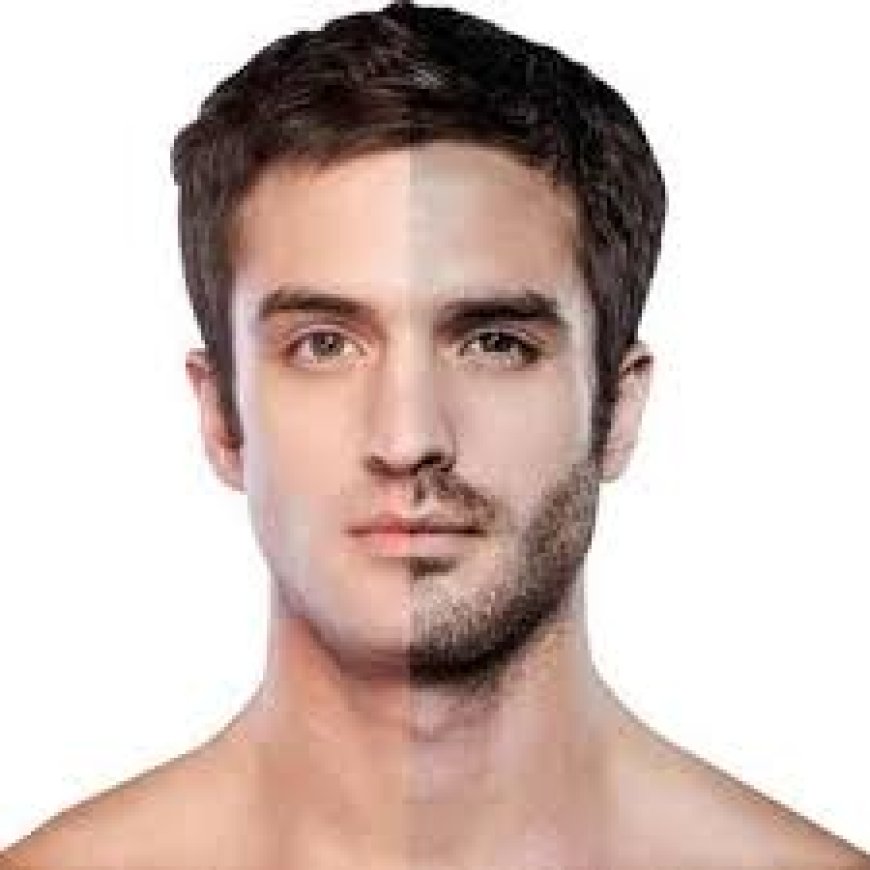
Scars on the face can be a constant reminder of past injuries, acne, burns, or surgical procedures. For many men in Riyadh, facial scars not only affect skin appearance but also prevent natural beard growth in affected areas. Since hair follicles are often permanently damaged in scar tissue, these patches remain hairless even when surrounding facial hair grows normally.
A beard hair transplant has become one of the most effective solutions for restoring hair growth in scarred areas. Using advanced techniques like Follicular Unit Extraction (FUE), surgeons can implant healthy hair follicles directly into scar tissue, helping to conceal scars and restore a more even, natural-looking beard.
Beard hair transplant in Riyadh is an effective solution for men seeking a fuller, more defined beard and long-lasting facial hair growth.
Why Scars Prevent Beard Growth
Scar tissue forms when the skin heals after deep injury. Unlike normal skin, scar tissue has a different structure, reduced blood supply, and fewer functional hair follicles. This makes it difficult or impossible for natural beard hair to grow in those areas.
Common causes of facial scars that affect beard growth include acne, burns, cuts, accidents, and surgical incisions. In all these cases, the damaged skin loses its ability to produce hair, resulting in visible gaps in the beard.
How Beard Transplants Help Cover Scars
A beard hair transplant works by moving healthy hair follicles from a donor area—usually the back of the scalp—to the scarred region of the face. Once implanted, these follicles begin to grow hair naturally, just like they do in their original location.
Over time, the transplanted hair blends with existing beard hair, effectively concealing the scar and creating a smoother, more uniform appearance.
The goal is not only to grow hair in the scar but also to restore natural facial balance and improve overall beard density.
The Role of the FUE Technique in Scar Coverage
The Follicular Unit Extraction (FUE) method is especially useful for treating scarred areas. It allows surgeons to implant individual hair follicles with high precision, which is essential when working on uneven or hardened scar tissue.
Because scar tissue is different from normal skin, careful placement is required to ensure that follicles receive enough blood supply to survive. FUE gives surgeons control over angle, direction, and depth, improving the chances of successful growth.
In Riyadh, this technique is widely used due to its effectiveness and minimal scarring.
Challenges of Transplanting Hair into Scar Tissue
While beard transplants can significantly improve scar appearance, scar tissue presents unique challenges. One of the main challenges is reduced blood circulation, which can affect how well transplanted follicles survive.
Scar texture can also vary, making it harder to achieve consistent hair growth across the treated area. In some cases, multiple sessions may be required to achieve optimal density.
Experienced surgeons carefully assess scar type, age, and condition before planning the procedure to improve success rates.
Types of Scars Treated with Beard Transplants
Beard hair transplants in Riyadh can be used to treat different types of facial scars. Acne scars are among the most common, especially deep or pitted scars that prevent hair growth.
Burn scars are another major category. These can cover larger areas and often require strategic graft placement to achieve natural blending.
Traumatic scars from accidents or cuts can also be treated effectively, depending on their size and depth.
Surgical scars, such as those from previous procedures, may also be improved with careful transplantation.
Designing a Natural Look Over Scarred Areas
One of the most important aspects of scar coverage is achieving a natural appearance. Simply adding hair to a scar is not enough; it must blend seamlessly with surrounding beard growth.
Surgeons carefully design the direction and density of transplanted hairs to match the natural flow of the beard. In some areas, slightly lower density may be used to avoid an artificial look, especially over large scars.
The goal is to make the scar less visible rather than completely uniform in texture.
Healing and Growth After Scar Transplantation
The healing process for scar-based beard transplants is similar to standard beard restoration, but it may take slightly longer for results to stabilize.
In the first week, mild redness and small scabs may appear around the transplanted area. These usually heal within 7 to 10 days.
Around 2 to 4 weeks after the procedure, transplanted hairs may shed. This is a normal part of the growth cycle and not a sign of failure.
New hair growth begins after 3 to 4 months, with gradual thickening over time. Full results typically appear within 9 to 12 months.
Success Factors for Scar Coverage
Several factors influence how successful a beard transplant will be over scar tissue. The type and age of the scar are very important. Older, well-healed scars often respond better than very recent ones.
The quality of donor hair also plays a major role. Strong, healthy follicles increase the likelihood of successful growth in challenging areas.
Surgeon expertise is critical, as precise placement and careful planning are required to overcome the limitations of scar tissue.
Benefits of Beard Transplants for Scars
One of the main benefits of using beard transplants for scar coverage is the long-term improvement in appearance. Once the transplanted hair grows, it provides a permanent solution to visible scarring.
It also helps improve facial symmetry and reduces the contrast between scarred and non-scarred areas.
Many patients experience increased confidence as their facial appearance becomes more uniform and natural-looking.
Limitations of Scar Beard Transplants
While highly effective, beard transplants for scars do have limitations. In some cases, complete coverage may not be possible due to poor blood supply in the scar tissue.
Density may also be slightly lower compared to normal skin areas. This is why realistic expectations are important before undergoing the procedure.
Multiple sessions may sometimes be required for optimal results, depending on the severity of the scar.
Conclusion
Beard hair transplants in Riyadh offer an effective solution for covering facial scars and restoring natural beard growth. By carefully implanting healthy hair follicles into damaged skin, surgeons can significantly reduce the visibility of scars and improve facial aesthetics.
Although scar tissue presents unique challenges, modern techniques like FUE make it possible to achieve natural and long-lasting results in many cases. With proper evaluation, skilled execution, and realistic expectations, beard transplantation can be a highly effective option for men looking to restore confidence and improve facial appearance.
Tags:
What's Your Reaction?
Like
0
Dislike
0
Love
0
Funny
0
Angry
0
Sad
0
Wow
0