
















Do's and Don'ts During Shoulder Replacement Recovery
Recovering from shoulder replacement surgery is just as important as the procedure itself.
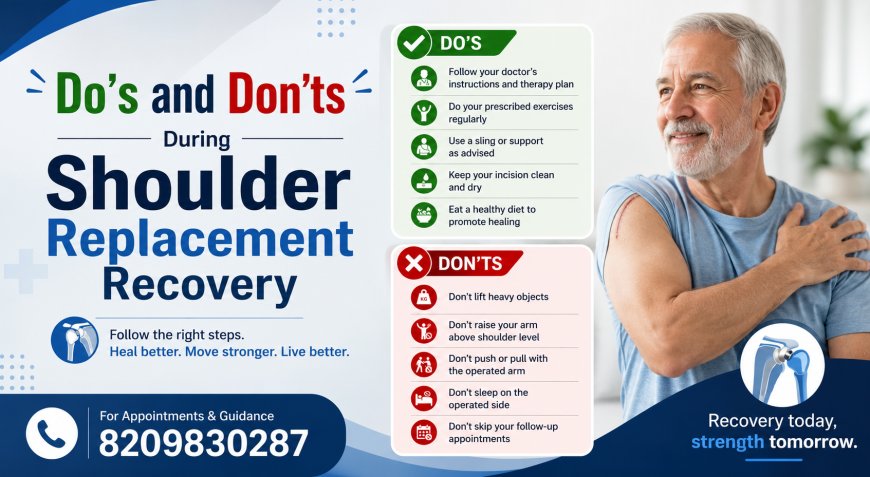
Recovering from shoulder replacement surgery is just as important as the procedure itself. While the surgery helps relieve pain and restore movement, following the right recovery plan ensures the best long-term results. Consulting a shoulder replacement specialist in India before and after surgery can help patients understand what to expect and avoid complications. Every patient's healing journey is unique, but following expert advice, maintaining patience, and staying committed to rehabilitation can make recovery smoother and more successful.
Why Recovery Matters After Shoulder Replacement
Shoulder replacement surgery involves replacing damaged parts of the shoulder joint with artificial components. Although the procedure is highly successful, recovery requires time, discipline, and proper care. The first few weeks focus on protecting the new joint, reducing pain, and gradually restoring mobility.
Recovery generally takes several months, with most patients regaining significant function within 3 to 6 months. However, complete healing and strength improvement may continue for up to a year.
Do's During Shoulder Replacement Recovery
1. Follow Your Surgeon's Instructions Carefully
Every recovery plan is personalized based on your age, health condition, and type of shoulder replacement. Always follow medication schedules, wound care instructions, and activity restrictions provided by your surgeon.
2. Wear Your Sling as Recommended
A sling protects the shoulder while the surrounding muscles and tissues heal. Wear it for the duration advised by your doctor, especially during the initial weeks.
3. Attend Every Physiotherapy Session
Physical therapy plays a crucial role in restoring shoulder movement and strength. Your therapist will gradually introduce exercises that improve flexibility without placing excessive stress on the joint.
Skipping rehabilitation sessions may delay recovery and reduce the final range of motion.
4. Keep Your Incision Clean
Proper wound care lowers the risk of infection. Keep the surgical site clean and dry, and watch for signs such as redness, swelling, unusual discharge, or fever.
If you notice any concerning symptoms, contact your healthcare provider immediately.
5. Eat a Healthy Diet
A balanced diet rich in protein, calcium, vitamin D, vitamin C, and zinc supports tissue healing and bone health. Staying hydrated also promotes faster recovery.
6. Sleep in a Comfortable Position
Sleeping can be challenging during the first few weeks. Many patients feel more comfortable sleeping in a reclined position using supportive pillows to reduce pressure on the shoulder.
Don'ts During Shoulder Replacement Recovery
1. Don't Lift Heavy Objects
Avoid lifting heavy items until your surgeon confirms it is safe. Excessive strain can damage the healing tissues and affect the stability of the new joint.
2. Don't Perform Sudden Shoulder Movements
Quick reaching, pushing, pulling, or twisting movements should be avoided during early recovery. Gradually increase activity only under medical supervision.
3. Don't Skip Follow-Up Visits
Regular follow-up appointments allow your surgeon to monitor healing, assess shoulder function, and identify any complications early.
An experienced Orthopedic Surgeon in Jaipur will evaluate your recovery progress and recommend modifications to your rehabilitation program if needed.
4. Don't Ignore Pain or Swelling
Some discomfort is normal after surgery, but severe pain, increasing swelling, persistent redness, or fever should never be ignored. Early treatment can prevent more serious complications.
5. Don't Drive Too Early
Driving before regaining adequate shoulder strength and reaction time can be unsafe. Always seek medical clearance before returning to driving.
6. Don't Smoke or Consume Excess Alcohol
Smoking reduces blood circulation and delays healing. Excessive alcohol may interfere with medications and slow the body's natural recovery process.
Recovery Timeline After Shoulder Replacement
| Recovery Stage | What to Expect |
|---|---|
| First 2 Weeks | Pain control, wound healing, sling use |
| 2–6 Weeks | Gentle exercises and gradual improvement in mobility |
| 6–12 Weeks | Improved shoulder function and strengthening exercises |
| 3–6 Months | Return to most daily activities |
| Up to 12 Months | Continued strength and mobility improvement |
Recovery speed varies depending on overall health, commitment to rehabilitation, and the complexity of the surgery.
Tips for a Faster Recovery
- Follow your exercise program consistently.
- Maintain good posture throughout the day.
- Stay physically active within recommended limits.
- Eat nutritious meals to support healing.
- Get enough sleep each night.
- Keep all follow-up appointments.
- Inform your doctor about any unusual symptoms immediately.
When Should You Contact Your Doctor?
Seek medical attention if you experience:
- Persistent fever
- Severe or worsening shoulder pain
- Excessive swelling
- Drainage from the incision
- Difficulty moving your fingers or hand
- Sudden loss of shoulder function
Prompt evaluation can help prevent complications and ensure a smoother recovery.
Conclusion
Successful shoulder replacement recovery depends on patience, proper rehabilitation, and following your surgeon's advice. Simple habits like attending physiotherapy, protecting the joint, maintaining a healthy lifestyle, and avoiding risky activities can significantly improve long-term outcomes. Patients recovering from shoulder replacement surgery should also discuss previous shoulder instability or related procedures such as Bankart Repair in Jaipur with their orthopedic specialist, as these factors may influence rehabilitation planning and future shoulder function. By staying committed to the recovery process, most individuals can return to a more active, comfortable, and pain-free life.
Frequently Asked Questions
How long does shoulder replacement recovery take?
Most patients recover enough for daily activities within 3 to 6 months, while complete healing may take up to one year.
When can I start physiotherapy?
Physiotherapy usually begins shortly after surgery, depending on your surgeon's recommendations and the type of shoulder replacement performed.
Can I sleep on my operated shoulder?
No. Most patients should avoid sleeping on the operated side until the surgeon advises that it is safe.
Is pain normal after shoulder replacement?
Yes. Mild to moderate pain is expected initially and gradually decreases as healing progresses. Severe or worsening pain should be evaluated promptly.
When can I return to work?
This depends on your occupation. Desk jobs may be resumed within several weeks, while physically demanding work may require several months.
What's Your Reaction?
 Like
0
Like
0
 Dislike
0
Dislike
0
 Love
0
Love
0
 Funny
0
Funny
0
 Angry
0
Angry
0
 Sad
0
Sad
0
 Wow
0
Wow
0