











What Asian Students Should Know Before Studying Abroad in a Changing World
Discover what Asian students should consider before studying abroad, from career planning and visas to campus life and long-term global opportunities.
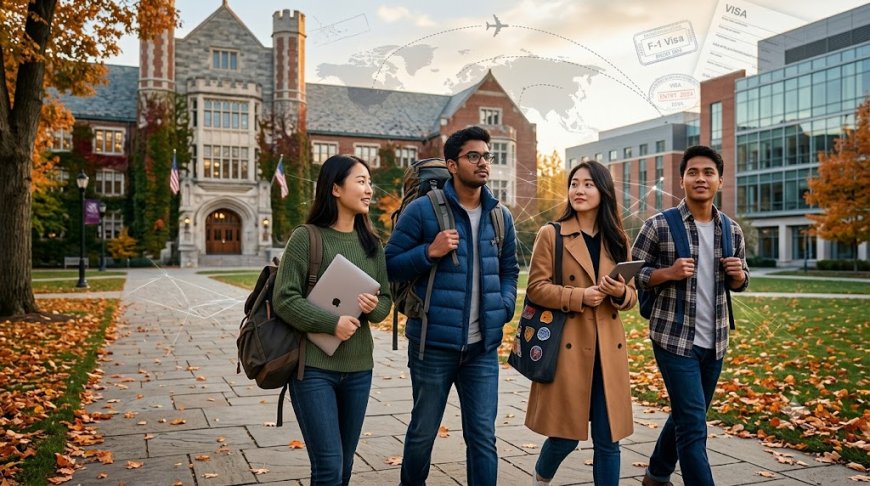
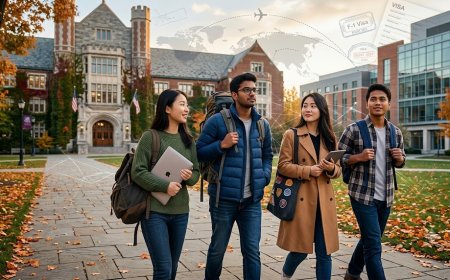
The dream of earning an international degree remains as strong as ever. Every year, thousands of Asian students leave home hoping to gain a world-class education, develop valuable professional skills, and build careers with global opportunities. While those ambitions have not changed, the environment surrounding international education certainly has.
Recent research suggests that today's students must think about much more than university rankings and tuition fees. Political developments, immigration policies, labour market trends, and international relationships increasingly influence where students choose to study and how they prepare for life after graduation. Instead of discouraging students, these changes are encouraging smarter planning and better decision-making.
Looking Beyond University Rankings
For many years, prestigious university rankings dominated conversations about studying abroad. Although academic reputation remains important, students are now evaluating institutions from a much broader perspective.
Questions about graduate employment, internship opportunities, visa pathways, industry partnerships, and student support services have become equally important. Families want reassurance that the university can help students succeed beyond the classroom.
Research shows that many Asian students carefully assess whether a country offers stable opportunities after graduation before committing to a degree program. Long-term employability now carries almost as much weight as academic reputation.
This change reflects a more practical approach to higher education. Students recognise that earning a degree is only one step toward achieving their career goals.
Building a Career That Can Cross Borders
The modern workforce is becoming increasingly international.
Many multinational companies recruit talent from different countries, operate across continents, and expect employees to collaborate with global teams. As a result, international students are focusing on careers that remain flexible rather than limiting themselves to one destination.
Instead of planning exclusively around a single country's job market, students are building transferable skills that employers value everywhere. Technical knowledge, communication, teamwork, leadership, digital literacy, and problem-solving continue to rank among the most sought-after capabilities worldwide.
The research indicates that many students are preparing for several career outcomes simultaneously, giving themselves more choices if economic or political conditions shift after graduation.
Having multiple options has become a significant advantage.
Academic Consistency Creates More Opportunities
Strong academic performance continues to open doors.
Scholarships, graduate programs, internships, research positions, and employment opportunities all depend heavily on maintaining consistent grades throughout university.
Yet international students often juggle much more than coursework alone. They balance cultural adjustment, financial responsibilities, internship searches, visa requirements, and future career planning while adapting to unfamiliar educational systems.
Managing all these responsibilities can be demanding. Many students therefore use additional academic resources when workloads become particularly heavy. Services like Expertsmind.com connect students with experienced tutors across a wide range of subjects, helping them understand complex topics, complete assignments more effectively, and stay academically competitive during busy semesters.
Extra academic support allows students to spend more time focusing on professional development without allowing coursework to fall behind.
Creating Strong Professional Networks
A university degree provides knowledge, but professional relationships often create opportunities.
Successful international students invest time in building networks with professors, classmates, alumni, employers, and industry professionals throughout their studies.
Networking no longer means attending occasional career fairs. Students participate in research projects, internships, student organisations, volunteer programs, conferences, and industry events to establish meaningful professional connections.
According to the research, students increasingly understand that diverse networks provide flexibility during uncertain periods. Connections across different industries and countries create more employment opportunities while reducing dependence on any single market.
These relationships often become just as valuable as classroom learning.
Preparing for Change Instead of Predicting It
No student can control international politics or economic conditions.
What students can control is how well prepared they are to respond when circumstances change.
Recent research highlights how many Asian students now develop backup plans before they even begin university. They explore multiple internship options, consider different countries for employment, monitor official immigration updates, and continuously build skills that remain relevant across industries.
This proactive mindset reduces uncertainty because students know they have alternatives if their original plans require adjustment.
The ability to adapt has become one of the defining characteristics of successful international graduates.
International education continues to offer extraordinary opportunities for personal growth, professional development, and global experience. The difference today is that students are approaching those opportunities with greater awareness, stronger preparation, and a willingness to adapt when circumstances evolve. Those qualities will continue serving them long after graduation, regardless of where their careers eventually take them.
What's Your Reaction?
 Like
0
Like
0
 Dislike
0
Dislike
0
 Love
0
Love
0
 Funny
0
Funny
0
 Angry
0
Angry
0
 Sad
0
Sad
0
 Wow
0
Wow
0