



















Hair Transplant in Dammam and Natural Hair Growth
Hair Transplant in Dammam and Natural Hair Growth

Modern Hair Restoration: Science, Techniques, and Natural Growth Principles
Surgical hair restoration has evolved into a highly refined medical field. For individuals experiencing pattern baldness or progressive thinning, undergoing a procedure in medical hubs like Dammam offers a permanent solution to hair loss. However, achieving a dense, seamless, and completely natural appearance requires understanding both the surgical procedures available and the physiological mechanisms of natural hair growth.
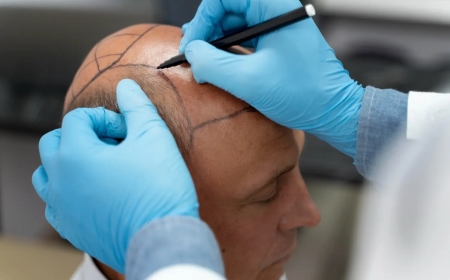
Hair transplant in Dammam is a popular hair restoration solution for individuals seeking natural-looking results, improved hair density, and long-term confidence through advanced transplantation techniques.
1. The Biological Science Behind Hair Transplantation
A hair transplant is fundamentally a biological relocation process. It relies on a principle in dermatology known as donor dominance.
Dihydrotestosterone (DHT) Resistance
In pattern hair loss (androgenetic alopecia), sensitive hair follicles on the top, hairline, and crown shrink over time due to exposure to the hormone Dihydrotestosterone (DHT). DHT binds to hormone receptors in susceptible follicles, shortening their growth phase and leading to progressive thinning (miniaturization).
However, hair follicles located at the back and lower sides of the scalp (the safe donor zone) are genetically programmed with resistance to DHT. When these healthy follicles are harvested and transplanted to balding areas, they retain their original genetic memory. They continue to grow naturally for a lifetime, resisting the miniaturizing effects of DHT.
2. Surgical Techniques in Contemporary Restoration
Clinics in Dammam primarily utilize two modern harvesting and implantation methods, tailored to the patient’s hair character, scalp density, and personal goals.
+-----------------------------------------------------------------------------------+
|                        MODERN SURGICAL RESTORATION METHODS                        |
+-----------------------------------------------------------------------------------+
| Follicular Unit Extraction (FUE) | Micro-punches isolate individual grafts without    |
|                                  | leaving a linear scar; ideal for short styles.    |
+----------------------------------+------------------------------------------------+
| Direct Hair Implantation (DHI)   | Specialized pen tools place grafts directly    |
|                                  | into recipient sites with precise angle control. |
+-----------------------------------------------------------------------------------+
Follicular Unit Extraction (FUE)
FUE is a minimally invasive technique where individual follicular units—naturally occurring groups containing 1 to 4 hair follicles—are harvested one by one using micro-punches.
-
Advantages: Leaves tiny, dot-like micro-scars that are practically imperceptible, allowing patients to wear very short hairstyles post-recovery.
-
Application: Excellent for repairing hairlines, filling temples, and addressing medium-to-large areas of thinning with rapid healing times.
Direct Hair Implantation (DHI)
DHI is an advanced variation of FUE. Extracted grafts are loaded into a pen-like implanter tool (such as a Choi Implanter). The surgeon creates the microscopic recipient channel and implants the graft simultaneously.
-
Advantages: Offers precise control over the depth, angle, and direction of each hair, ensuring the new growth aligns perfectly with the natural grain of surrounding native hair.
-
Application: Ideal for high-density hairline reconstruction and placing grafts between existing hair without shaving the entire recipient zone.
3. The Natural Hair Growth Cycle Explained
To set realistic expectations for surgical results, it is crucial to understand how human hair grows. Every hair follicle on your body transitions continuously through four distinct biological phases.
  (1) ANAGEN          (2) CATAGEN          (3) TELOGEN          (4) EXOGEN
 [Active Growth]  -->  [Transition]   -->  [Resting Phase]  --> [Shedding Phase]
 (2 to 6 Years)       (2 to 3 Weeks)       (2 to 3 Months)       (New Hair Starts)
-
Anagen Phase (Growth): The active phase where follicle cells divide rapidly, producing the hair shaft. Lasts between 2 and 6 years. About 85–90% of your scalp hair is in this phase at any given moment.
-
Catagen Phase (Transition): A brief 2 to 3 week regression phase where hair growth stops, and the follicle detaches from its blood supply.
-
Telogen Phase (Resting): A dormant phase lasting roughly 2 to 3 months. The hair shaft sits quietly in the follicle while a new hair begins forming underneath.
-
Exogen Phase (Shedding): The old hair shaft naturally releases and falls out, making way for the newly emerging Anagen hair. Normal daily shedding ranges from 50 to 100 hairs.
Post-Transplant Timeline and Biological Synchronization
When hair grafts are relocated, the temporary loss of blood supply triggers a brief shock to the follicle. This causes the transplanted hair shafts to enter the Telogen phase and shed around weeks 2 to 6 post-surgery.
+-----------------------------------------------------------------------------------+
|                           POST-OP GROWTH TIMELINE                                 |
+-----------------------------------------------------------------------------------+
| Months 1 to 2  | "Shock loss" shedding phase; follicle roots remain safe below.   |
| Months 3 to 4  | Early growth begins; fine, soft "baby-fine" hairs appear.        |
| Months 6 to 9  | Significant density increase; hair shafts thicken and mature.    |
| Months 12 to 18| Full, permanent maturity, natural texture, and final density.    |
+-----------------------------------------------------------------------------------+
4. Supporting Natural Hair Growth and Native Preservation
While a hair transplant permanently addresses targeted balding areas, non-transplanted native hair surrounding the grafts remains subject to natural genetic thinning. Integrating holistic scalp health practices and supportive therapies helps protect native hair and maximizes overall density.
                             NATURAL HAIR RETENTION
                                       |
       +-------------------------------+-------------------------------+
       |                               |                               |
       v                               v                               v
[Nutritional Support]        [Scalp Microcirculation]      [Medical Prevention]
Vitamins, Minerals,          Low-Level Laser Light &       Topical / Oral Therapies
Lean Proteins                Scalp Massage Techniques      to Block DHT Action
Nutritional Foundations
Hair shafts consist primarily of keratin, a fibrous protein. A balanced diet rich in essential building blocks supports vigorous Anagen growth:
-
Protein: Adequate intake of lean proteins ensures the body has necessary amino acids for hair structure.
-
Micronutrients: Biotin, Zinc, Iron, and Vitamin D3 play critical roles in cellular turnover within the hair matrix.
Scalp Health and Environmental Factors
Maintaining a clean, well-oxygenated scalp environment encourages optimal follicle function:
-
UV Protection: Sun exposure breaks down hair proteins and damages delicate scalp skin. Wearing loose, protective headwear outdoors shields the scalp tissue.
-
Managing Scalp Inflammation: Using gentle, sulfate-free shampoos minimizes sebum buildup and keeps hair follicles free of inflammation, preventing conditions like folliculitis.
5. Medical Therapies for Long-Term Density
Many restoration specialists in Dammam combine surgical transplantation with clinical therapies to strengthen both new grafts and native hair:
-
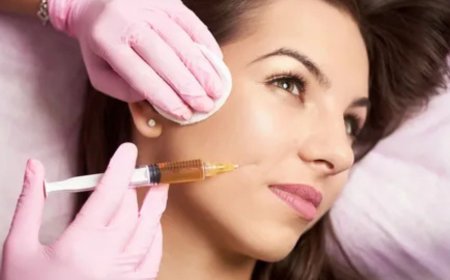
Platelet-Rich Plasma (PRP): Concentrated growth factors derived from the patient's own blood are injected into the scalp to stimulate microcirculation and speed up follicle maturation.
-
Low-Level Laser Therapy (LLLT): Photobiomodulation using specific light wavelengths energizes cellular mitochondria in the scalp, extending the active Anagen growth phase.
-
DHT Blockers: Dermatologist-prescribed oral or topical treatments help protect surrounding native follicles from hormonal miniaturization over time.
By pairing advanced surgical techniques with a strong foundation in natural hair care and preventive maintenance, patients in Dammam can achieve lasting, natural-looking results that blend seamlessly with their existing hair for years to come.# Hair Transplant in Dammam and Natural Hair Growth: The Complete Science & Strategy Guide
For anyone experiencing progressive hair thinning or pattern baldness, the ultimate goal of hair restoration isn't just to cover open scalp—it is to achieve a head of hair that looks, feels, and grows completely naturally. In Dammam, the economic and medical center of Saudi Arabia’s Eastern Province, clinics have increasingly shifted their focus toward holistic hair restoration. This approach combines advanced micro-surgical transplantation with natural hair growth therapies to maximize density, protect native hair, and ensure long-term vitality.
Understanding how transplanted hair integrates with your body’s natural biological growth cycles is essential for making an informed decision. This guide explores the science of natural hair growth, how modern hair transplants in Dammam mimic real growth dynamics, and how combining surgical procedures with natural maintenance therapies produces seamless, lifelong results.
The Biology of Natural Hair Growth
To appreciate how a hair transplant creates a seamless appearance, it helps to understand how natural hair grows. Hair does not grow as single, isolated strands emerging randomly from the skin. Instead, it grows in tiny, naturally occurring clusters called follicular units.
Each follicular unit typically contains:
-
1 to 4 hair follicles (occasionally 5)
-
A tiny muscle called the arrector pili
-
Small oil-producing glands (sebaceous glands)
-
A delicate network of blood vessels and nerves
+-------------------------------------------------------------------------+
|                  THE NATURAL HAIR GROWTH CYCLE                          |
+-------------------------------------------------------------------------+
|  1. Anagen (Growth Phase)    : Active growth lasting 2 to 7 years.      |
|  2. Catagen (Transition Phase): Follicle shrinks over 2 to 3 weeks.     |
|  3. Telogen (Resting Phase)   : Inactive period lasting 2 to 4 months.  |
|  4. Exogen (Shedding Phase)   : Old hair falls out as new growth starts.|
+-------------------------------------------------------------------------+
When genetic hair loss (androgenetic alopecia) occurs, the hormone dihydrotestosterone (DHT) binds to sensitive receptors around the hairline and crown, causing the active growth phase (Anagen) to shorten. Over time, the follicles shrink—a process called miniaturization—producing finer, weaker hair until they stop growing altogether.
How Modern Transplants Mimic Natural Growth
Older hair restoration methods earned a poor reputation because they moved large circular swatches of skin containing 10 to 20 hairs at a time, resulting in an artificial "doll-hair" appearance.
Modern clinics in Dammam rely on refined micro-surgical techniques—such as Follicular Unit Extraction (FUE) and Direct Hair Implantation (DHI)—that strictly respect natural growth dynamics.
+-------------------------------------------------------------------------+
|                     NATURAL GRAFT PLACEMENT STRATEGY                    |
+-------------------------------------------------------------------------+
|  Frontal Edge (Hairline) : 1-hair grafts placed at 10–15 degree angles |
|  Transition Zone         : 2-hair grafts to create soft density          |
|  Mid-Scalp & Core Zone   : 3- to 4-hair grafts for maximum light blocking |
|  Crown / Vertex Zone     : Whorl pattern following natural hair swirl    |
+-------------------------------------------------------------------------+
Key Elements of Natural Result Design:
-
Follicular Unit Preservation: Rather than disrupting natural hair clusters, surgeons harvest individual, intact follicular units from the donor zone (the back and sides of the scalp) where hair is genetically immune to DHT.
-
Custom Channel Angles: Natural hair grows out of the scalp at specific angles—usually flat against the forehead (10 to 15 degrees) along the hairline, tilting progressively steeper toward the crown. Dammam specialists align every incision channel to match your original angle and direction.
-
Soft Border Gradient: By placing single-hair grafts along the very front boundary in soft, irregular micro-patterns and grouping multi-hair grafts behind them, the transition from bare skin to dense hair looks entirely natural.
Supporting Transplanted Hair with Natural Growth Therapies
A hair transplant successfully relocates healthy hair follicles to balding areas, but it does not stop the biological aging or thinning of the native, non-transplanted hair surrounding those grafts. To maintain a full, healthy mane over the long term, clinics in Dammam emphasize combining surgical procedures with evidence-based natural growth therapies.
1. Platelet-Rich Plasma (PRP) Therapy
PRP therapy is one of the most effective non-surgical treatments used alongside hair transplants.
-
How it works: A small sample of your blood is drawn, spun in a centrifuge to isolate growth-factor-rich plasma, and injected into the scalp.
-
Benefits for Transplants: PRP stimulates angiogenesis (new blood vessel formation) around newly transplanted follicles, helping them anchor faster and transition out of the resting phase quickly. It also revitalizes existing, thinning native hair.
2. Low-Level Laser Therapy (LLLT)
Also known as red-light therapy, LLLT uses medical-grade light panels or wearable laser caps to emit specific light wavelengths (typically 650 nm) into scalp tissues.
-
How it works: The light energy penetrates the skin and is absorbed by cellular mitochondria, boosting cellular energy (ATP) production.
-
Benefits for Transplants: Reduces post-operative swelling, speeds up skin healing, and encourages dormant hair follicles to re-enter the active growth phase.
3. Scalp Micro-Circulation & Nutritional Support
Optimal hair growth relies heavily on constant oxygen and nutrient delivery via tiny capillaries beneath the skin.
-
Essential Nutrients: Biotin, zinc, iron, vitamin D, and marine collagen support keratine synthesis—the primary protein that makes up human hair shafts.
-
Scalp Health: Keeping the scalp free from excess sebum, inflammation, and dandruff creates a healthy environment for both native and transplanted hair roots.
What to Expect: The Natural Growth Timeline
Patience is crucial when waiting for your transplanted hair to grow. Because transplanted hair follows your scalp's natural growth cycle, progress occurs gradually over several months:
| Timeline | Growth Stage | Biological Process |
| Weeks 1 – 2 | Initial Healing | Grafts establish local blood supply; tiny scabs naturally drop off. |
| Weeks 3 – 8 | "Shock Loss" Phase | Transplanted hair shafts shed; living root follicles remain dormant beneath the scalp. |
| Months 3 – 4 | Early Regrowth | Dormancy breaks; fine, thin baby hairs emerge along the treated areas. |
| Months 6 – 9 | Density Expansion | Hairs thicken, gain structural strength, and blend naturally with native hair. |
| Months 12 – 18 | Complete Maturation | Full density, natural texture, and complete visual transformation achieved. |
Choosing the Right Approach in Dammam
If you want a hair restoration outcome that looks completely natural and stands the test of time, look for clinics in Dammam that offer comprehensive care:
-
Board-Certified Expertise: Choose dermatologists or plastic surgeons certified by the Saudi Commission for Health Specialties (SCFHS) who specialize in micro-grafting.
-
Holistic Treatment Plans: Select clinics that combine surgical restoration with post-op therapies like PRP or growth factor sessions to support long-term hair health.
-
Individualized Hairline Design: Ensure your surgeon crafts a custom hairline tailored to your age, facial structure, and donor availability, rather than using generic templates.
By combining modern micro-transplantation with natural scalp health therapies, you can achieve permanent coverage that looks, grows, and ages naturally.
What's Your Reaction?
 Like
0
Like
0
 Dislike
0
Dislike
0
 Love
0
Love
0
 Funny
0
Funny
0
 Angry
0
Angry
0
 Sad
0
Sad
0
 Wow
0
Wow
0