


















What Pet Toy Clutter Says About Modern Pet Parenting
Explore what pet toy clutter reveals about modern pet parenting, emotional care, enrichment, habits, and smarter pet product choices.

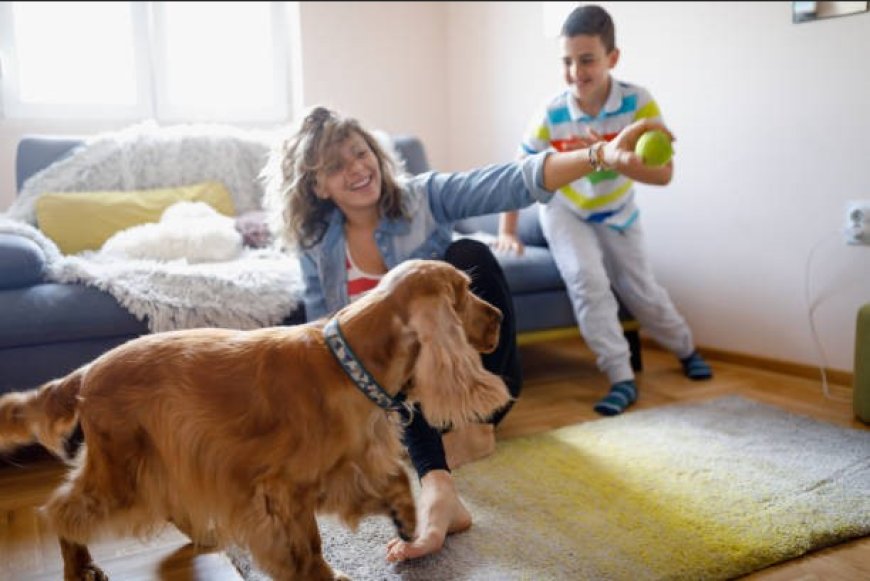
Pet toys scattered across the floor may look like ordinary household clutter, but they often reveal something much bigger about how people care for their pets today. A basket overflowing with chew toys, puzzle games, balls, or feather wands usually reflects more than a love of shopping. It shows how pets have become true members of the family, with owners investing more time, attention, and resources into their daily happiness and well-being.
While toys play an important role in enrichment, the amount and type of products people buy also reflect changing attitudes toward pet care. Looking beyond the clutter offers an interesting glimpse into how modern pet parenting has evolved.
Key Takeaways
-
Pet toy clutter often reflects changing attitudes toward pet care.
-
Modern pet parenting focuses on enrichment rather than simply buying more products.
-
More toys do not automatically provide a better quality of life.
-
Rotating toys often keeps pets more engaged than constantly introducing new ones.
-
Choosing products based on a pet's needs helps reduce clutter and unnecessary spending.
-
Quality, safety, and meaningful interaction matter more than quantity.
What Pet Toy Clutter Reveals About Modern Pet Parenting
Pets Are Treated Like Family Members
Perhaps the biggest reason toy collections continue to grow is that pets are no longer viewed simply as household animals. They are companions, emotional support systems, exercise partners, and beloved family members.
Today's homes often include dedicated sleeping areas, personalized feeding stations, birthday celebrations, and baskets filled with favorite toys. These everyday details reflect how modern pet parenting has shifted from basic care to creating a lifestyle that supports both physical and emotional well-being.
Rather than purchasing toys out of obligation, many owners see them as part of providing a richer, happier life for their pets.
Play Has Become Part of Everyday Wellness
Years ago, toys were often viewed as occasional treats. Today, veterinarians and animal behavior experts encourage interactive play because it supports both mental and physical health.
Owners now choose products that encourage:
-
Problem-solving
-
Exercise
-
Natural hunting instincts
-
Healthy chewing habits
-
Stress relief
-
Confidence building
For example, puzzle feeders filled with turkey dog treats encourage dogs to work for their rewards instead of eating too quickly. Likewise, interactive cat laser toys encourage movement and satisfy a cat's natural instinct to stalk and chase. For the best experience, laser play should be followed with a toy the cat can physically catch to avoid frustration.
The growing focus on enrichment is one of the clearest signs of modern pet parenting.
Buying Habits Reflect Today's Pet Culture
Pet toy clutter is not always the result of necessity. Sometimes it reflects how much the pet industry has expanded.
Owners are constantly introduced to:
-
Social media recommendations
-
Subscription boxes
-
Holiday collections
-
Limited-edition products
-
Influencer reviews
-
Online shopping promotions
While many products offer genuine value, others are purchased simply because they are new or visually appealing.
The same pattern extends beyond toys. Accessories like stylish cat shirts or a durable leather dog leash can certainly be useful when chosen for comfort, weather, safety, or training. However, buying every trending product rarely improves a pet's quality of life on its own.
Thoughtful purchases usually provide far more value than impulse buying.
More Toys Do Not Always Mean Better Care
A common misconception is that having dozens of toys automatically makes a pet happier. In reality, many dogs and cats repeatedly return to only a handful of favorites. Too many options can reduce engagement because nothing feels new or exciting.
Instead of constantly buying more, owners often get better results by:
-
Rotating toys every week or two
-
Storing unused toys until later
-
Replacing damaged items promptly
-
Washing toys regularly
-
Observing which toys their pet actually prefers
This approach keeps playtime fresh while reducing unnecessary clutter throughout the home.
Thoughtful Choices Matter More Than Quantity
One of the biggest lessons pet owners have learned is that every product should serve a purpose.
Before purchasing another toy or accessory, ask yourself:
-
Will my pet actually use it?
-
Is it appropriate for their age and size?
-
Does it encourage healthy activity?
-
Is it made from safe materials?
-
Does it replace something that has worn out?
Being intentional helps reduce waste while creating a more enjoyable environment for both pets and their owners. Ultimately, modern pet parenting is measured less by how many products fill the home and more by how thoughtfully those products are chosen.
Conclusion
Pet toy clutter is often a visible sign of something positive. It reflects the growing effort owners put into keeping their pets active, comfortable, and emotionally fulfilled. At the same time, the most successful approach to modern pet parenting is not about owning the largest collection of toys or accessories. It is about selecting products that genuinely support your pet's needs, encouraging meaningful play, and creating a home where quality matters far more than quantity.
FAQs
How often should pet toys be rotated?
Most pets stay interested when toys are rotated every one to two weeks. Bringing older toys back into the rotation after a short break can make them feel new again while reducing clutter. It is a simple habit that supports modern pet parenting without increasing spending.
Can too many toys overwhelm a pet?
Yes. While variety is beneficial, offering too many toys at once can make pets less interested in play. Keeping only a small selection available and switching them periodically often leads to better engagement.
How do I know which toys my pet enjoys most?
Pay attention to the toys your pet chooses without encouragement. Toys they repeatedly carry, chew, chase, or bring back to you are usually their favorites. These preferences can help guide future purchases and prevent unnecessary clutter.
What should I consider before buying a new pet toy?
Look for toys that match your pet's size, age, chewing habits, and activity level. Durable, easy-to-clean toys made from safe materials usually provide the best long-term value. Buying with purpose is often more beneficial than following trends.
What's Your Reaction?
 Like
0
Like
0
 Dislike
0
Dislike
0
 Love
0
Love
0
 Funny
0
Funny
0
 Angry
0
Angry
0
 Sad
0
Sad
0
 Wow
0
Wow
0