














Ingredients commonly used in mesotherapy cocktails

Ingredients commonly used in mesotherapy cocktails

Jul 2, 2026 - 12:57
 0  6

Ingredients Commonly Used in Mesotherapy Cocktails

Introduction: What Are Mesotherapy Cocktails?

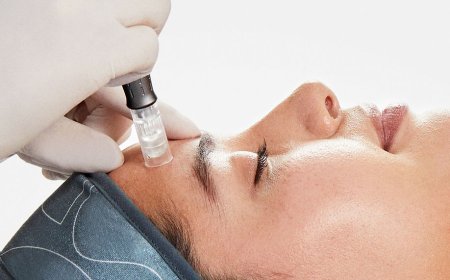
Mesotherapy cocktails refer to customized blends of active ingredients injected into the middle layer of the skin (mesoderm) to improve skin health, rejuvenation, hydration, and sometimes body contouring or hair growth. These formulations are designed to deliver nutrients directly where topical skincare products cannot effectively reach. Mesotherapy in Riyadh is becoming an increasingly popular non-surgical treatment for improving skin texture, hydration, and hair health.

The composition of a mesotherapy cocktail varies depending on the treatment goal—whether it is anti-aging, pigmentation correction, skin hydration, or localized fat reduction. Dermatologists typically adjust the mixture based on individual skin needs.


Core Ingredient Categories in Mesotherapy

Mesotherapy formulations generally include a combination of the following key ingredient groups:

  • Vitamins
  • Hyaluronic acid
  • Amino acids
  • Minerals and trace elements
  • Antioxidants
  • Peptides and growth factors
  • Lipolytic agents (for fat reduction treatments)

Each category plays a specific role in skin repair, regeneration, or metabolic stimulation.


1. Hyaluronic Acid (Hydration and Skin Plumping)

Hyaluronic acid is one of the most important and widely used ingredients in mesotherapy cocktails. It is naturally found in the skin and has the ability to hold large amounts of water.

Key benefits:

  • Deep hydration of skin layers
  • Improved skin elasticity
  • Reduction of fine lines caused by dehydration
  • Enhanced skin plumpness and smoothness

It is especially useful for dry, dull, or aging skin and is often the base ingredient in many formulations.


2. Vitamins (Skin Repair and Brightening Support)

Vitamins play a crucial role in skin metabolism, repair, and protection. Commonly used vitamins include:

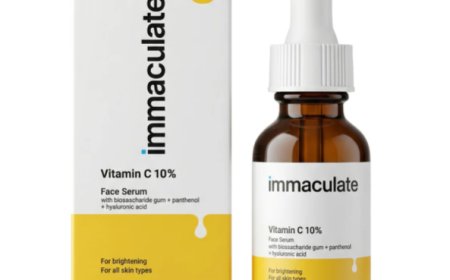
Vitamin C

  • Brightens skin tone
  • Reduces pigmentation
  • Stimulates collagen production
  • Acts as an antioxidant

Vitamin B Complex

  • Supports skin cell regeneration
  • Improves overall skin health
  • Reduces inflammation and irritation

Vitamin A (Retinoids in some formulations)

  • Promotes cell turnover
  • Helps improve texture and fine lines

Vitamins are essential for restoring skin vitality and improving overall complexion.


3. Amino Acids (Building Blocks of Collagen and Elastin)

Amino acids are fundamental for the production of structural proteins in the skin.

Common amino acids used:

  • Glycine
  • Proline
  • Lysine
  • Arginine

Benefits:

  • Support collagen synthesis
  • Improve skin firmness
  • Enhance tissue repair
  • Strengthen skin structure

They act as essential building blocks for skin regeneration and anti-aging effects.


4. Minerals and Trace Elements (Cellular Function Support)

Minerals are included to support enzymatic reactions and cellular activity in the skin.

Common minerals:

  • Zinc (healing and anti-inflammatory effects)
  • Magnesium (cellular energy production)
  • Selenium (antioxidant protection)
  • Copper (supports collagen formation)

These elements help maintain healthy skin metabolism and repair mechanisms.


5. Antioxidants (Protection Against Damage)

Antioxidants are critical for protecting the skin from oxidative stress caused by UV exposure, pollution, and aging.

Common antioxidants:

  • Glutathione
  • Vitamin E
  • Coenzyme Q10
  • Vitamin C (also acts as antioxidant)

Benefits:

  • Neutralize free radicals
  • Prevent premature aging
  • Improve skin radiance
  • Reduce pigmentation and dullness

They are especially important for individuals exposed to harsh environmental conditions.


6. Peptides and Growth Factors (Skin Regeneration)

Peptides are short chains of amino acids that signal skin cells to perform specific functions such as collagen production and repair.

Common benefits:

  • Stimulate collagen and elastin production
  • Improve skin firmness
  • Enhance healing and regeneration
  • Reduce fine lines and wrinkles

Growth factors, often used in advanced formulations, further enhance tissue repair and rejuvenation.


7. Lipolytic Agents (For Fat Reduction Mesotherapy)

In body mesotherapy, specific ingredients are used to break down fat cells and improve body contouring.

Common lipolytic substances:

  • Phosphatidylcholine
  • Deoxycholate
  • L-carnitine

Benefits:

  • Break down localized fat deposits
  • Support fat metabolism
  • Improve body contour and shape

These are not used in facial rejuvenation cocktails.


8. Nucleic Acids and Cellular Repair Compounds

Some advanced mesotherapy formulations include nucleic acids that support cell regeneration.

Benefits:

  • Enhance DNA repair mechanisms
  • Improve skin renewal
  • Support anti-aging effects

These ingredients are often found in premium or advanced skin rejuvenation treatments.


How Mesotherapy Cocktails Are Customized

Mesotherapy is not a one-size-fits-all treatment. Dermatologists tailor the cocktail based on:

  • Skin type (dry, oily, sensitive)
  • Age and level of aging
  • Treatment goals (hydration, pigmentation, anti-aging, fat reduction)
  • Environmental factors (sun exposure, climate)

For example:

  • Hydration-focused cocktails contain more hyaluronic acid
  • Anti-aging cocktails include peptides and vitamins
  • Brightening cocktails focus on vitamin C and antioxidants
  • Fat reduction cocktails contain lipolytic agents

Why Combination of Ingredients Works Better

Mesotherapy is effective because it combines multiple ingredients that work synergistically. Instead of targeting one issue, it addresses multiple skin functions at once:

  • Hydration
  • Repair
  • Protection
  • Regeneration

This multi-layered approach improves overall skin quality more effectively than single-ingredient treatments.


Safety Considerations for Mesotherapy Ingredients

Although mesotherapy ingredients are generally safe when used correctly, safety depends on:

  • Proper medical-grade formulations
  • Correct dosage and concentration
  • Professional administration
  • Patient suitability and allergy screening

Unregulated or poorly prepared mixtures can increase the risk of irritation or adverse reactions.


Conclusion

Mesotherapy cocktails typically contain a carefully balanced mix of hyaluronic acid, vitamins, amino acids, minerals, antioxidants, peptides, and sometimes lipolytic agents depending on the treatment goal. Each ingredient plays a specific role in improving skin hydration, stimulating collagen, protecting against damage, or supporting fat breakdown.

The effectiveness of mesotherapy lies in this customized combination approach, allowing treatments to be tailored precisely to individual skin needs. When properly formulated and administered, these ingredients work together to restore healthier, smoother, and more youthful-looking skin.

What's Your Reaction?

Like Like 0
Dislike Dislike 0
Love Love 0
Funny Funny 0
Angry Angry 0
Sad Sad 0
Wow Wow 0