













Is Bootcamp for Dogs Helpful for Rescue Dog Training?
Bootcamp for dogs helps rescue dogs build calmer walks, safer routines, and real life confidence through structured training.

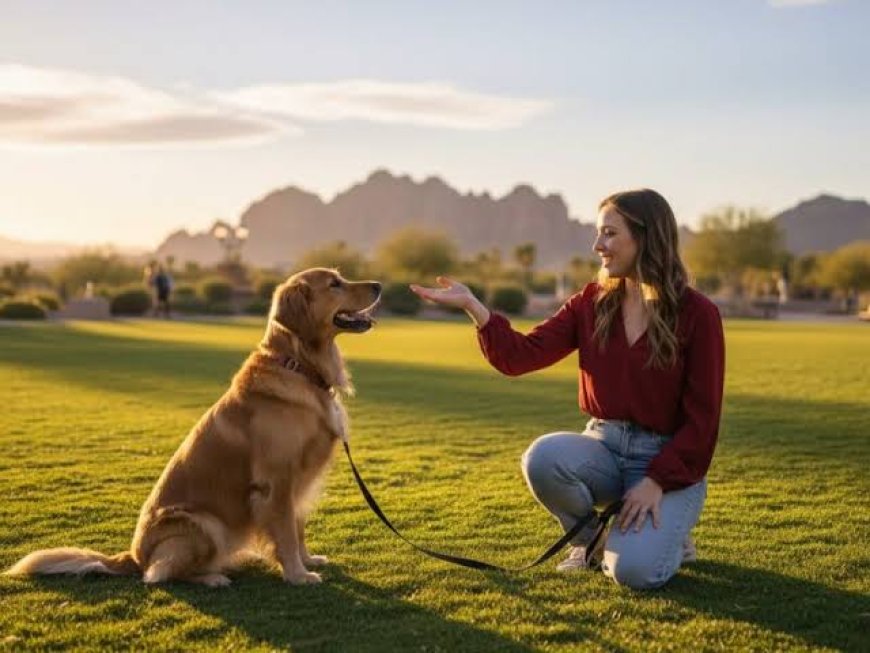
Yes, bootcamp for dogs can help rescue dogs when the program builds structure, leash communication, confidence, and a calm home transition. Aly’s Puppy Boot Camp offers a 2 week in person Boot Camp, has trained over 6,500 dogs, and uses Good Walker leash tools tested at their Arroyo Grande training facility. Rescue Dog Training works best when the dog gets predictable routines, clear leash guidance, safe handling practice, and owner education. The goal is not to rush trust. The goal is to help the dog feel safe enough to learn, connect, and make better choices in real life.
Table of Contents
-
How does bootcamp for dogs help a rescue dog adjust?
-
What makes Rescue Dog Training different from puppy training?
-
Why does a dog walker leash matter for rescue dogs?
-
Why choose dog training Arroyo Grande for a rescue dog?
-
What is the best leash for dog training a nervous rescue?
-
How do grooming tools fit into rescue dog training?
-
How do you keep rescue dog training working at home?
How does bootcamp for dogs help a rescue dog adjust?
Bootcamp for dogs helps a rescue dog adjust by giving the dog daily structure, calm routines, leash practice, and clear human guidance. A rescue dog needs safety first, then training. The right bootcamp creates both.
Aly’s Puppy Boot Camp talks about real life training for real life challenges. That phrase matters even more with rescue dogs because a rescue dog may arrive with missing history, stress, fear, over excitement, or habits that were built in survival mode.
A good rescue dog bootcamp should not flood the dog with pressure. It should help the dog understand the day.
Where do I rest?
How do I walk?
When do I check in?
What happens when I see another dog?
What does the human want from me?
That kind of clarity helps a rescue dog settle.
Aly’s Boot Camp includes daily training structure, Graduation Day, a Schedule for Success, and transition protocols. That handoff matters because rescue dogs need consistency after pickup. If the home changes every rule, the dog can feel lost again.
The goal is a calm, confident dog and an empowered dog parent. Not perfection. Progress.
What makes Rescue Dog Training different from puppy training?
Rescue Dog Training is different because the dog may already have practiced fear, pulling, guarding, shutdown, or survival based habits. Puppy training starts with a blanker slate. Rescue training starts by building safety, trust, structure, and communication.
A rescue dog may need more time to decompress. The dog may not understand the new home. The dog may be social in one setting and nervous in another. That does not mean the dog is bad. It means the dog needs a clearer roadmap.
Aly’s voice fits here: this is a process of leadership, not perfection. Every step matters. Rescue training should help the dog learn new patterns without forcing trust too fast.
A rescue dog needs:
-
Predictable routines
-
Safe rest spaces
-
Calm leash communication
-
Slow social exposure
-
Gentle handling practice
-
Clear boundaries
-
Rewarded calm choices
-
Owner follow through
The human component is everything. A rescue dog watches the new family closely. Tone, timing, leash tension, doors, guests, food, space, and freedom all shape how the dog feels.
Training should not erase the dog’s personality. It should help the dog feel safe enough to show it.
Why does a dog walker leash matter for rescue dogs?
A dog walker leash matters for rescue dogs because the walk is where fear, pulling, scanning, freezing, and over excitement show up fast. The leash gives the human a way to guide calmly before the moment gets too big.
Aly’s leash training style is warm and clear. Leash skills should feel more like a dance than a wrestling match. Gentle pressure and clear direction create trust, teamwork, and more peaceful walks.
That is exactly what a rescue dog needs.
A rescue dog may not understand the neighborhood yet. Cars, bikes, dogs, children, trash cans, delivery trucks, and new smells can all feel like a lot. If the leash is tense and confusing, the dog gets more stressed. If the leash is calm and consistent, the dog has a better chance to check in.
A good leash does not fix fear by itself. It supports communication.
On walks, the handler should:
-
Keep the dog close enough for feedback
-
Avoid dragging the dog toward triggers
-
Reward check ins
-
Create space before reactions
-
Keep walks short at first
-
End before the dog gets overwhelmed
Rescue dogs need trust before freedom. The leash is part of that trust.
Why choose dog training Arroyo Grande for a rescue dog?
Dog training Arroyo Grande helps rescue dogs because local, hands on training can connect real life behavior with owner education. Rescue dogs need more than commands. They need practice around daily routines, people, noises, dogs, car rides, and home structure.
Aly’s Puppy Boot Camp is based in Arroyo Grande, California. Their training voice centers on calm confident dogs, empowered dog parents, and real world practice that works beyond the training room.
That matters because rescue dogs can behave differently in different environments. A dog can settle indoors and panic outside. A dog can bond with one person and bark at visitors. A dog can walk well in a quiet area and struggle near traffic.
Local training helps identify those patterns. Then the family learns what to do next.
The best rescue dog training does not shame the dog. It gives the dog better information. It helps the owner understand what the dog is saying, what structure is needed, and how to move forward without rushing.
That is how rescue dogs begin to feel safe.
What is the best leash for dog training a nervous rescue?
The best leash for dog training a nervous rescue is one that supports calm guidance, clear communication, and safe control without adding confusion. The leash should help the dog stay close enough to learn and relaxed enough to think.
Aly’s Good Walker leash is described as a patented leash tested on thousands of dogs at Aly’s Puppy Boot Camp. It is made in the USA and designed for comfort, durability, and control. The tool matters because rescue dogs need steady handling.
A nervous rescue should not be given too much freedom too fast. Long, loose freedom around heavy distractions can create panic or pulling. Constant tight pressure can create frustration. The right leash setup creates the middle ground.
Look for a leash that:
-
Gives the handler control
-
Helps the dog stay connected
-
Reduces pulling battles
-
Feels comfortable to hold
-
Works in real life environments
-
Supports clear timing
The leash is not the whole training plan. It is the conversation line between dog and human.
When the leash feels clear, the dog can begin to understand the walk.
How do grooming tools fit into rescue dog training?
Grooming tools fit into rescue dog training because handling is part of trust. A rescue dog may need help learning that brushing, paw touching, ear checks, and coat care can be calm and safe. A [professional dog grooming scissors set] [SUGGESTED PAGE - DOES NOT EXIST YET] should only be used with proper skill and safety.
This is not about making the dog tolerate everything at once. It is about teaching the dog that human hands are predictable.
Start small:
-
Touch one paw, then reward
-
Brush for 20 to 30 seconds
-
Let the dog sniff tools
-
Pair handling with calm praise
-
Stop before panic
-
Keep sessions short
-
Ask a groomer or trainer for help when needed
Rescue dogs can carry stress around body handling. Forcing grooming can damage trust. Slow handling practice can build it.
If Aly’s Puppy Boot Camp creates a product or guide around a professional dog grooming scissors set, it should connect to grooming safety, handling confidence, and calm body care. Until then, this should stay marked as a suggested page, not a live internal link.
How do you keep rescue dog training working at home?
You keep rescue dog training working at home by protecting structure from day 1. Use calm routines, clear leash rules, rest time, simple greetings, and a Schedule for Success. A rescue dog needs consistency more than speed.
The first 30 days should be simple. Do not give the dog the whole house immediately. Do not invite everyone over to meet the dog. Do not rush dog parks. Do not test off leash freedom. Let the dog learn the home one clear layer at a time.
Aly’s approach is rooted in the human component. The dog learns from the family’s rhythm. If the home is calm, clear, and predictable, the dog has a better chance to settle.
Keep these rules:
-
Short walks first
-
Crate or rest space with purpose
-
Calm feeding routines
-
No forced greetings
-
Leash practice daily
-
Handling practice slowly
-
Reward quiet choices
-
Ask for help early
Rescue Dog Training is not about fixing a dog. It is about helping the dog feel safe enough to become steady.
FAQ
Is bootcamp for dogs good for rescue dogs?
Yes, bootcamp for dogs can be good for rescue dogs when the program uses structure, calm leash work, confidence building, and owner education. Rescue dogs need trust and predictable routines. A good bootcamp should not rush the dog or force exposure too fast.
What is Rescue Dog Training?
Rescue Dog Training helps adopted dogs build safety, trust, leash manners, house routines, calm greetings, and confidence. It focuses on the dog’s real life behavior, not just commands. The owner also learns how to guide the dog clearly at home.
Does a dog walker leash help rescue dogs?
Yes, a dog walker leash helps rescue dogs by giving the handler calm control during walks. Rescue dogs can pull, freeze, scan, or react when they feel unsure. A clear leash helps the dog stay connected and receive feedback.
Why choose dog training Arroyo Grande?
Dog training Arroyo Grande gives rescue dog owners access to local, hands on support through Aly’s Puppy Boot Camp. The training focuses on real life challenges, leash communication, home routines, and owner education.
What is the best leash for dog training a rescue dog?
The best leash for dog training a rescue dog is one that gives calm control and clear communication. It should keep the dog close enough for feedback without creating constant tension. The Good Walker leash is designed for this kind of connection.
Should I groom a rescue dog right away?
Do not rush grooming with a rescue dog. Start with gentle handling, short brushing, and calm touch before using advanced tools. A professional dog grooming scissors set should only be used by someone trained to handle grooming safely.
How long does a rescue dog need to adjust?
A rescue dog’s adjustment depends on the dog’s history, temperament, home routine, and training support. The first 30 days should focus on safety, rest, leash structure, and trust. Keep the dog’s world simple before adding more freedom.
What's Your Reaction?
 Like
0
Like
0
 Dislike
0
Dislike
0
 Love
0
Love
0
 Funny
0
Funny
0
 Angry
0
Angry
0
 Sad
0
Sad
0
 Wow
0
Wow
0