



















How to Stop Overthinking and Start Living a Happier Life
Do you often replay conversations in your mind or worry about situations that haven't even happened yet? If so, you're not alone. Overthinking is a common habit that can lead to stress, anxiety, and difficulty making decisions. While it's natural to think through important situations, constantly analyzing every detail can negatively impact your mental and emotional health.
The good news is that you can break free from the cycle of overthinking. With the right mindset and practical strategies, you can train your brain to focus on solutions instead of endless worries.
What Causes Overthinking?
Overthinking usually begins with fear or uncertainty. People often overanalyze because they want to avoid mistakes, seek perfection, or prepare for every possible outcome. Unfortunately, this habit rarely solves problems. Instead, it creates unnecessary stress and keeps you from enjoying the present moment.
Some common causes include:
- Fear of failure
- Perfectionism
- Low self-confidence
- Anxiety about the future
- Regret over past decisions
Recognizing these triggers is the first step toward overcoming them.
Signs You're Overthinking
Many people don't realize they're overthinking until it becomes overwhelming. Here are a few common signs:
- You replay past events repeatedly.
- You imagine worst-case scenarios.
- You struggle to make even simple decisions.
- You constantly seek reassurance from others.
- Your thoughts keep you awake at night.
If these sound familiar, it's time to make positive changes.
Effective Ways to Stop Overthinking
1. Live in the Present
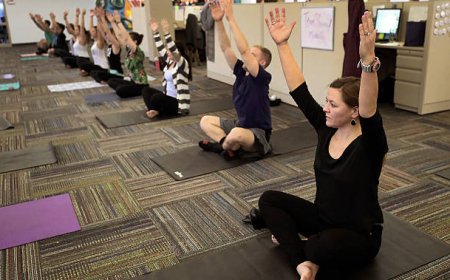
One of the best ways to stop overthinking is to focus on what's happening right now. Practice mindfulness by paying attention to your breathing, surroundings, or current task. Staying present helps prevent your mind from wandering into unnecessary worries.
2. Replace Negative Thoughts
Challenge negative assumptions by asking yourself whether they're supported by facts. Most worries never become reality. Replace fearful thoughts with balanced and realistic ones.
3. Take Immediate Action
Instead of spending hours thinking about a problem, identify one small action you can take today. Action creates momentum and reduces the feeling of being stuck.
4. Limit Mental Replays
You cannot change the past, no matter how many times you think about it. Learn from your experiences, forgive yourself, and move forward with confidence.
5. Practice Deep Breathing
Simple breathing exercises help calm your nervous system and reduce racing thoughts. Spend five minutes each day taking slow, deep breaths to relax your mind.
6. Keep Yourself Productive
Exercise, reading, learning a new skill, or spending time with family can redirect your attention toward meaningful activities instead of endless worrying.
7. Set Realistic Expectations
Nobody makes perfect decisions every time. Accept that mistakes are part of learning and personal growth. Let go of perfectionism and focus on progress.
Healthy Habits That Reduce Overthinking
Building healthy daily routines can significantly improve your mental well-being.
- Sleep at least 7–8 hours each night.
- Exercise regularly to reduce stress hormones.
- Eat nutritious foods that support brain health.
- Reduce excessive social media use.
- Practice gratitude every day.
Small lifestyle changes can have a powerful impact on your thoughts and emotions.
When Should You Seek Help?
If overthinking causes constant anxiety, panic attacks, or interferes with your work, relationships, or daily life, don't hesitate to seek support from a licensed mental health professional. Therapy and counseling can provide valuable tools to manage intrusive thoughts and improve emotional resilience.
Seeking help is a sign of strength, not weakness.
Final Thoughts
Learning how to stop overthinking is a journey that requires patience and consistent practice. By identifying your triggers, focusing on the present, taking action, and adopting healthy habits, you can break free from endless mental loops and enjoy greater peace of mind.
Remember that you don't need to control every outcome to live a successful life. Trust yourself, embrace uncertainty, and focus on what you can control. Every small step you take today will help you build confidence, reduce stress, and create a healthier, happier future.
What's Your Reaction?
 Like
0
Like
0
 Dislike
0
Dislike
0
 Love
0
Love
0
 Funny
0
Funny
0
 Angry
0
Angry
0
 Sad
0
Sad
0
 Wow
0
Wow
0