



















Post-Procedure Care After Beard Hair Transplant in Riyadh
Post-Procedure Care After Beard Hair Transplant in Riyadh

A beard hair transplant is a highly sophisticated micro-surgical procedure that can completely redefine your facial symmetry, masculinity, and personal confidence. However, achieving thick, perfectly contoured, and natural-looking facial hair is only half the battle. The ultimate success of a beard transplant relies heavily on the meticulous care you provide during the recovery phase.
In Riyadh, the post-procedure period presents unique environmental factors. The city's arid desert climate, intense heat, high UV index, and occasional dust storms require a specialized and structured aftercare approach to protect your investment and ensure maximum graft survival.
Beard hair transplant in Riyadh is a popular cosmetic procedure that helps individuals achieve a fuller, denser, and more natural-looking beard by transplanting healthy hair follicles to areas with thin or patchy facial hair.
Phase 1: The Critical First 48 Hours
The first 48 hours following your beard transplant are the most vulnerable. During this window, the newly implanted hair follicles are essentially held in place only by minor blood clotting and skin tension. They have not yet established a secure blood supply or firmly rooted themselves into the surrounding facial tissue.
Complete Physical Defenses
The most vital rule during this immediate phase is strict non-contact. You must absolutely avoid touching, scratching, or rubbing your face, as even the slightest friction can dislodge a graft.
When dressing, avoid crewneck t-shirts, sweaters, or any clothing that must be pulled over your head. Instead, wear button-down shirts or zip-up hoodies to eliminate the risk of fabric catching on your newly placed facial grafts.
Elevation and Sleep Protocols
Managing swelling is a primary goal during the first few days. It is completely normal to experience swelling around the jawline, cheeks, and lower eyelids, as fluids from the local anesthesia naturally migrate downward due to gravity.
To minimize this, you must sleep strictly on your back with your head elevated at a 45-degree angle using several firm pillows. This angle promotes optimal lymphatic drainage and prevents you from accidentally rolling onto your side, which would cause direct friction between your face and the pillow.
The Dry Mandate
Keep your face completely dry for the first 48 hours. You may shower the rest of your body, but you must keep water completely away from your face and neck. Avoid any facial expressions that stretch the skin excessively—such as wide yawning or intense chewing—as this can put undue stress on the graft sites. Stick to soft foods that require minimal chewing for the first two days.
Phase 2: Days 3 to 7 – The Washing and Hydration Protocol
By the third day, the implanted follicles have begun to stabilize, and microscopic crusts or scabs will form around each hair shaft. This is a healthy sign of healing, but these scabs must be managed delicately to prevent infection and allow the skin to breathe.
The Gentle Wash Technique
Your clinic in Riyadh will likely provide you with a specialized post-operative care kit containing a soothing lotion (often panthenol-based) and a mild, sulfate-free medical shampoo.
-
Soften: Gently apply the prescribed lotion to the beard and donor areas using a light dabbing motion with your fingertips. Do not rub. Let it sit for 15 to 30 minutes to soften the dried blood and crusts.
-
Rinse: Rinse the lotion away using lukewarm water. Never let the direct pressure of a heavy shower head hit your face. Instead, use the "pour method" by gently pouring water from a clean cup or pitcher over your beard.
-
Lather: Foam a small amount of the medical shampoo between your wet palms and gently tap the foam onto the transplant zone.
-
Dry: After a final gentle rinse, do not use a standard bath towel, which can harbor bacteria and snag hairs. Instead, lightly pat the area dry using a clean, disposable paper towel.
Managing the Arid Climate
Riyadh's dry air can cause the healing skin to feel intensely tight and itchy. Itching is a classic sign of tissue repair, but scratching is strictly forbidden, as it can introduce bacteria and cause localized folliculitis (inflammation of the hair follicles). To combat dryness, keep the area hydrated by applying a thin layer of fragrance-free, non-comedogenic moisturizer or pure aloe vera gel as recommended by your surgeon.
Phase 3: Weeks 2 to 4 – Navigating the Environment and "Shock Loss"
As you enter the second and third weeks, the external skin will look mostly healed, and the scabs will naturally flake off. However, the internal structures are still vulnerable.
Environment and Activity Restrictions
Riyadh’s intense sun exposure poses a significant risk during this phase. The healing skin lacks adequate melanin protection, making it highly susceptible to UV damage and hyperpigmentation (permanent dark staining of the skin). Avoid direct sunlight for at least three weeks. If you must go outdoors during peak hours, shield your face with a wide-brimmed hat. Avoid applying commercial sunscreens until the micro-wounds have completely closed, typically after day 14.
Furthermore, strenuous physical activity must be entirely avoided for the first two weeks. Heavy cardiovascular exercise, weight lifting, and entering saunas or steam rooms cause intense facial flushing and heavy sweating. Sweat contains salt and bodily waste that can irritate the healing incisions, while elevated blood pressure can cause micro-bleeding around the follicles.
The "Shock Loss" Phase
Between weeks two and four, you will experience a phenomenon known as shock shedding. The transplanted hair shafts will fall out, often leaving your face looking just as patchy as it did before the surgery.
It is absolutely crucial not to panic. This shedding is a perfectly normal and expected part of the hair life cycle. The mechanical stress of the transplant forces the hair shaft into a resting phase (telogen), causing it to drop out so that the healthy, firmly rooted follicle underneath can begin generating a brand-new, permanent hair strand.
Phase 4: Month 1 and Beyond – Long-Term Maintenance
By the one-month mark, your restrictions lift significantly, and you can gradually return to your normal routine. However, long-term grooming habits will dictate the ultimate aesthetic outcome.
Shaving and Trimming Guidelines
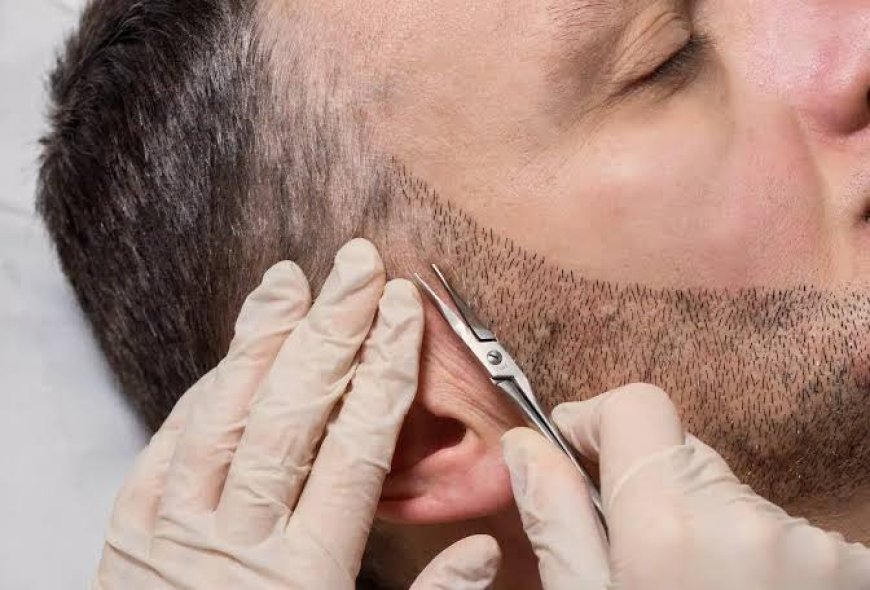
You must refrain from using a traditional razor blade or an electric shaver directly on the skin of the transplant zone for at least 30 days. Shaving too early can slice through the delicate, newly forming anchoring tissues of the follicle. If you need to tidy up your appearance before then, you may very carefully use scissors to clip the hair strands above the skin surface after the second week, ensuring you never pull or tug on the roots. Once a full month has passed, you can safely resume standard shaving and trimming practices.
What's Your Reaction?
 Like
0
Like
0
 Dislike
0
Dislike
0
 Love
0
Love
0
 Funny
0
Funny
0
 Angry
0
Angry
0
 Sad
0
Sad
0
 Wow
0
Wow
0